
Heat Pump Repair in New Jersey
Homes in New Jersey are older than in 43 of the other 49 states.
Tell us about the job
Takes about a minute. No obligation.
- 26°Fwinter overnight low where people live
- 8 monthsof heat, October through May
- 84°Fsummer afternoon high where people live
- 3 monthsof cooling, June through August
Winters here are milder than most so your heat pump has it easier
- Southern counties need about 14% more cooling than northern ones
- Winter nights average 26°F where people live
- Summer afternoons average 84°F where people live
- Heat runs October through May
- Cooling runs June through August
- 470 winter storms from 2015 to 2024


- Heat blowing warm at the register again, not lukewarm air that never quite gets there
- A straight answer on whether it's the reversing valve, the defrost board, or a refrigerant leak
- Short cycling fixed, so the outdoor unit stops kicking on and off every few minutes
- Ice cleared off the outdoor coil so the system can pull heat from the air again
- An honest call on repairing the compressor versus replacing the unit
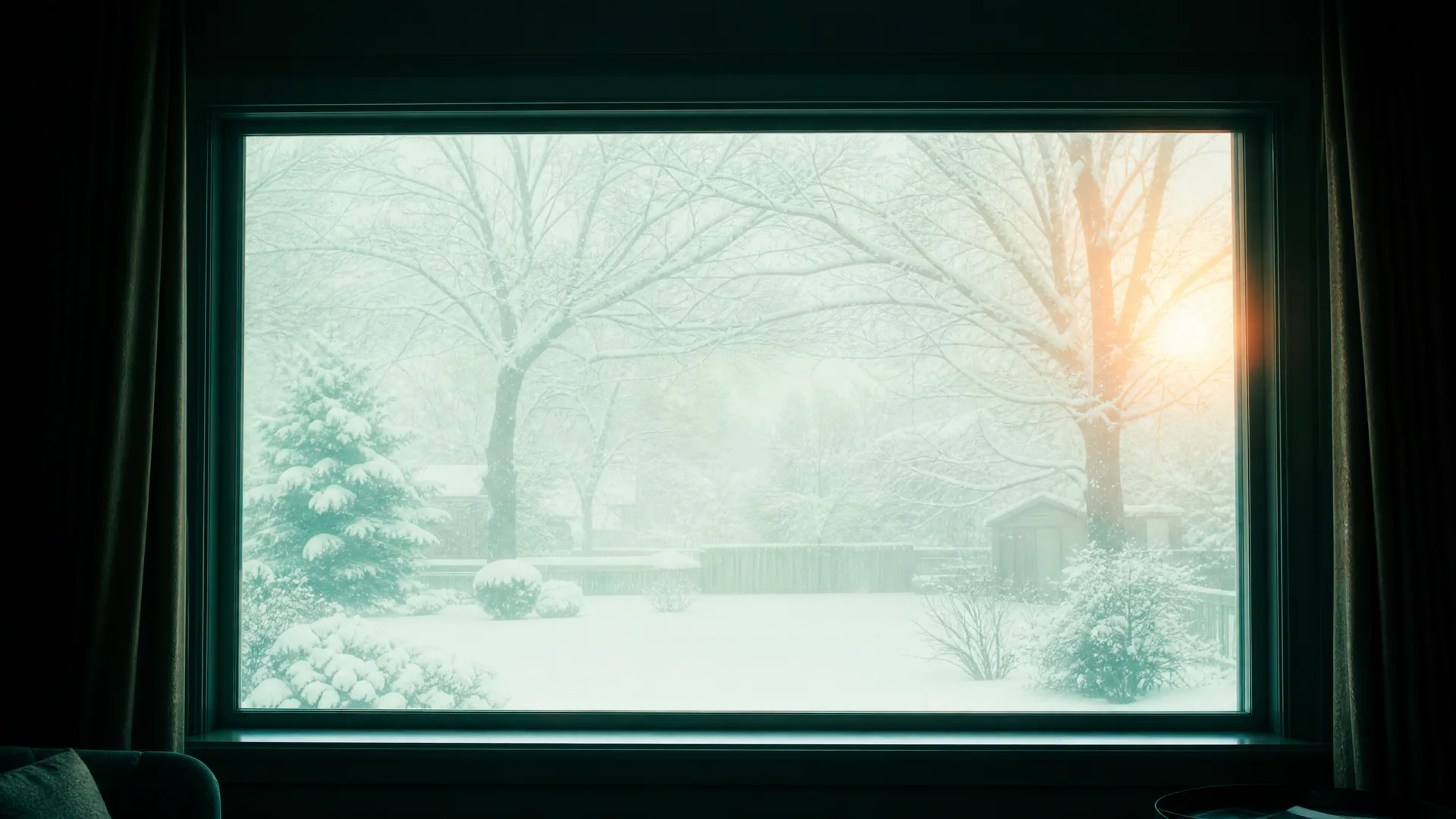
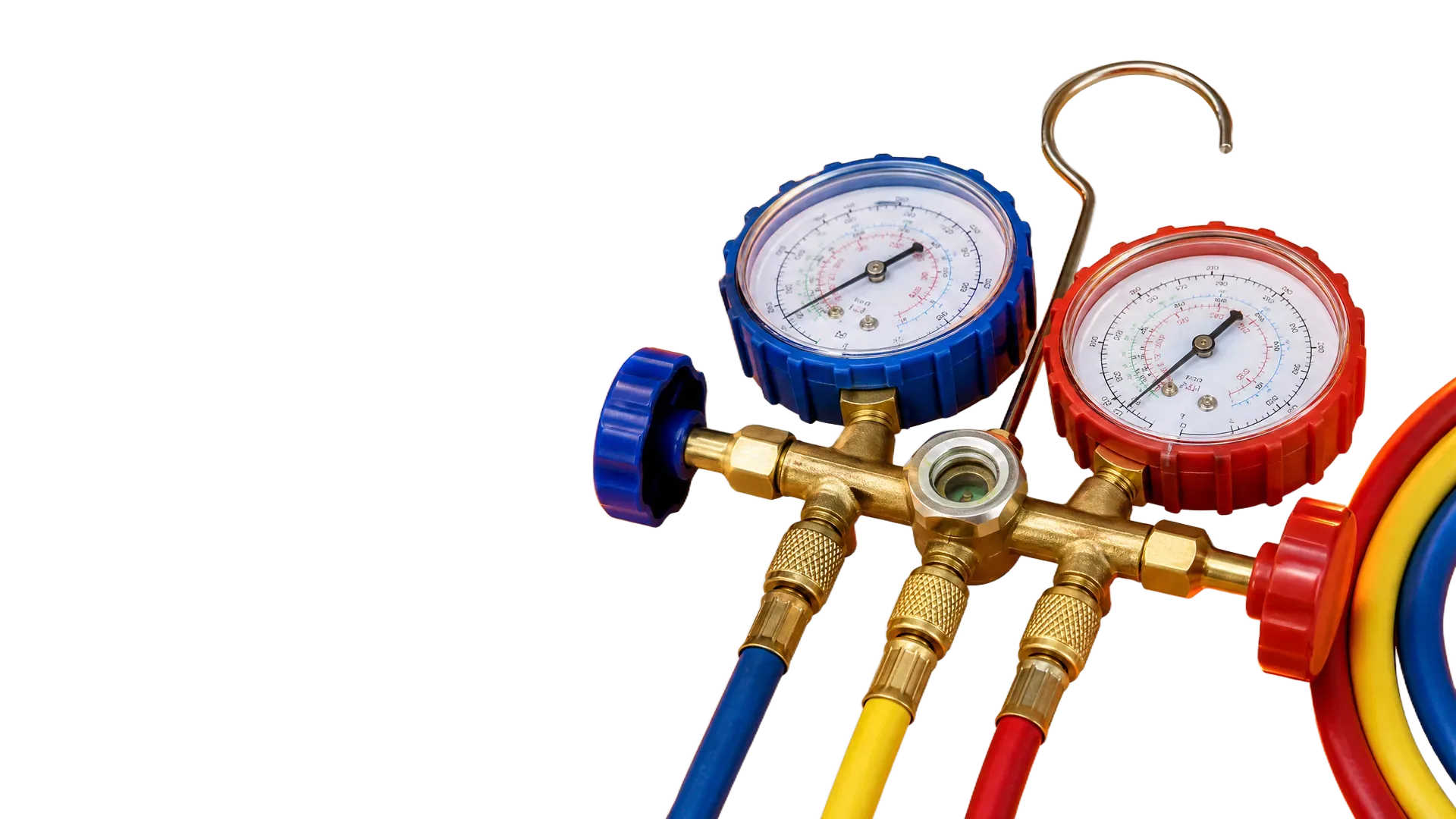
A tech starts outside at the unit, checking the coil for ice and listening to how it cycles on and off. Short cycling points to a control board or a sensor shutting the system down before it should. An iced coil means the defrost cycle isn't doing its job, which is a different repair than topping off refrigerant. Gauges go on next to check the charge. Low refrigerant isn't a problem on its own. It means there's a leak somewhere in the line, and a good tech traces it instead of just refilling the system.
Inside, the tech checks what the air handler is actually putting out at the register. Warm but weak air points somewhere different than air that's barely above room temperature. The reversing valve gets tested too, since that's the part that switches the system between heating and cooling, and a stuck valve can look like several other problems at once. If the compressor turns out to be the issue, the conversation turns honest fast. Some compressor repairs make sense, others don't. By the end you should know which part failed and why, not just that something did.
October and June are when this system tells you what's wrong with it
Heat here runs October through May, about eight months straight. June through August it switches over to cooling. October is when the system is working hardest for the first time in months, pulling heat out of cold air instead of putting it into warm air. A part that was marginal in the spring can fail outright the first cold week of fall. Same with June, when the compressor that has been idle all spring suddenly has to run for hours at a stretch. If your heat pump is going to show a problem, those are the weeks it usually does it.
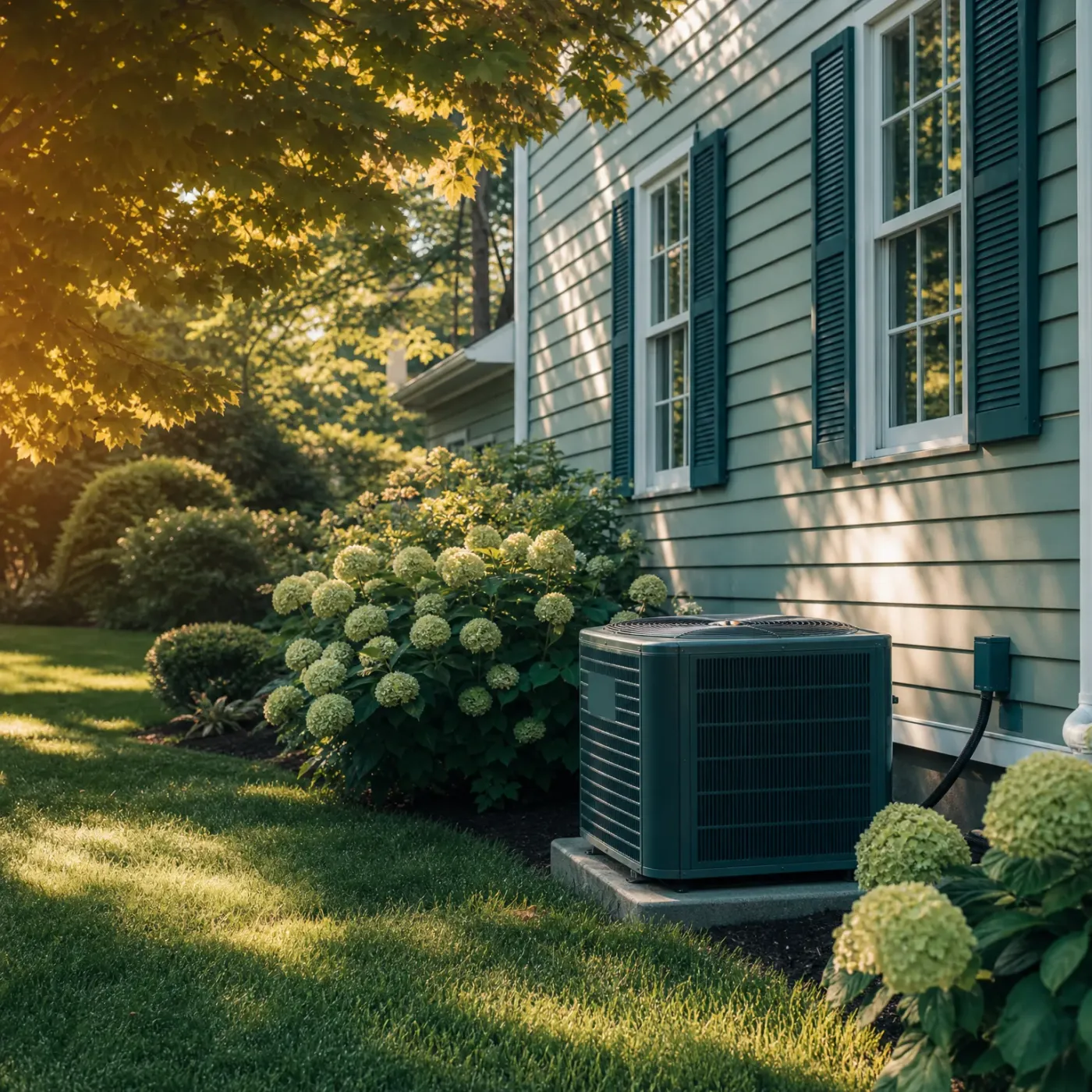
3 months of cooling, June through August
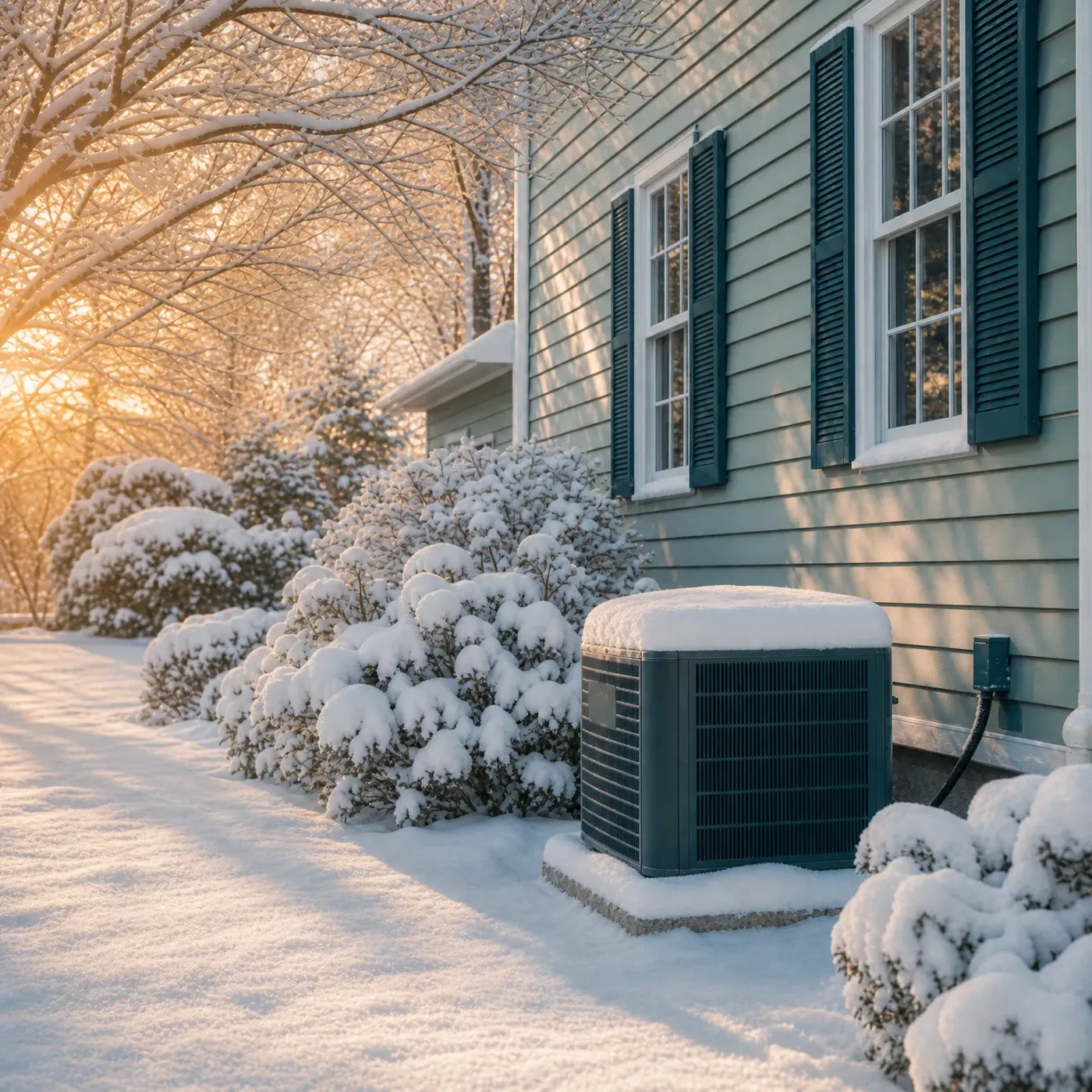
8 months of heat, October through May
What does a heat pump in New Jersey face?
How hot do summer afternoons get?
84°Faverage afternoon high where people live
Alaska66°F
Arizona101°F
How cold do winter nights get?
26°Faverage overnight low where people live
North Dakota4°F
Hawaii65°F
How many months does the heat run?
8 monthsof heating a year
Hawaii0 months
Alaska12 months
What does electricity cost?
19.34¢per kWh (kilowatt hours, the unit on an electric bill), what homes paid in 2024
North Dakota11.51¢
Hawaii42.86¢
How often do storms hit?
207severe weather events per county from 2015 to 2024
Alaska5
Wyoming1,057
How many homes lost power for a day or more?
11%of homes in 2024
Arizona7%
Maine54%
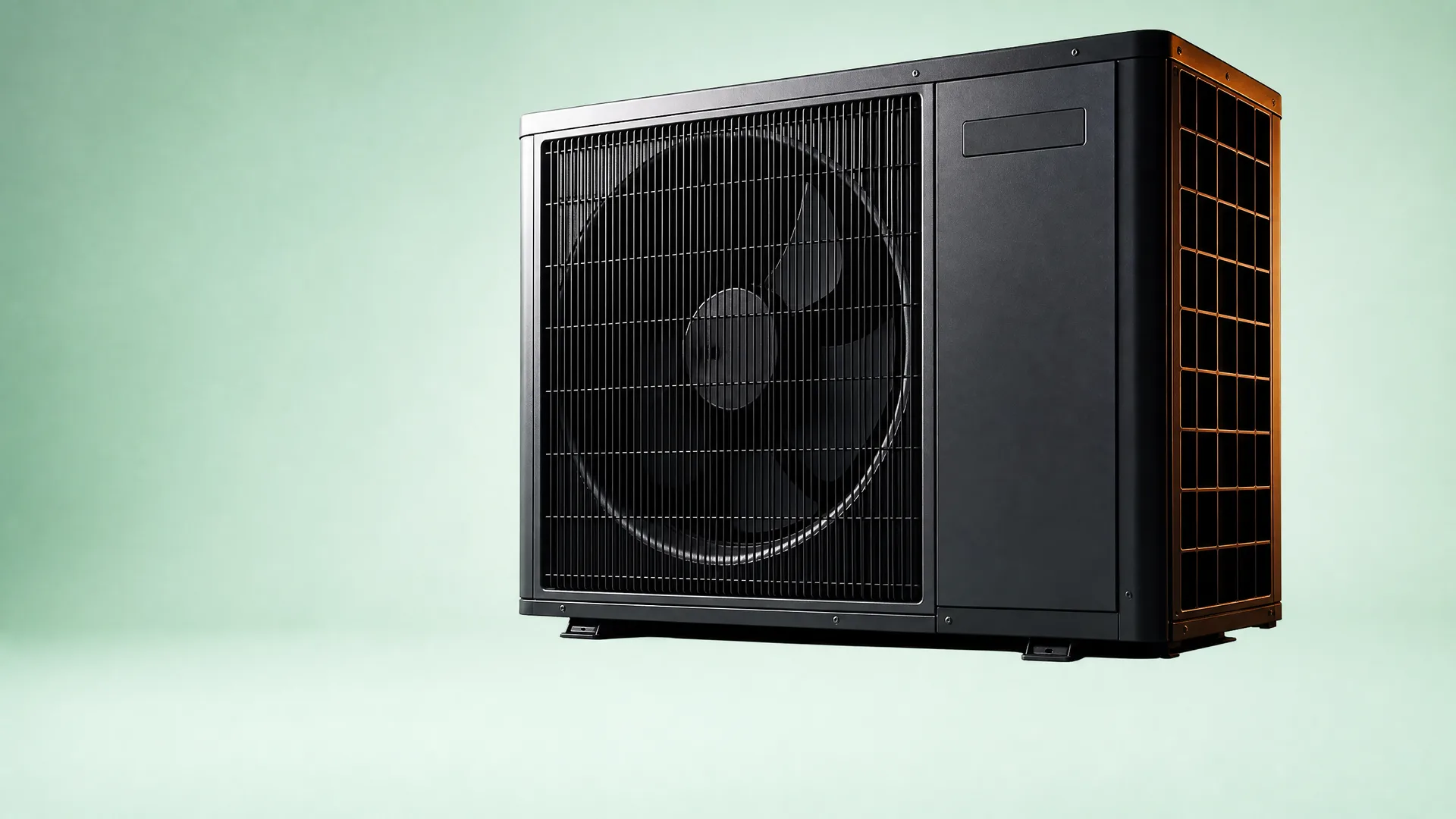
A struggling heat pump costs more to run here than in most states
A heat pump that's struggling still draws power the whole time it runs, whether it's actually heating your house or not. New Jersey homes pay more for electricity than most of the country, so a system short cycling or icing over costs more here than the same problem would somewhere cheaper. A reversing valve stuck halfway or a compressor straining to keep up doesn't trip a breaker. It just runs longer and harder to get you less heat. That shows up on the bill before you can put a finger on what's wrong.
What to check before you call anyone
Before anyone comes out, go look at the outdoor unit. If it's caked in ice or snow, that alone can cause weak heat or short cycling, and it's something you can check without tools. Next, go to the thermostat and look at what mode it's set to and what temperature it's calling for. A thermostat bumped into cool mode or a dead batteries will mimic a much bigger problem. Check your breaker panel too. A tripped breaker to the outdoor unit will stop it cold, and some systems have a second breaker or disconnect near the unit itself that gets bumped off by accident. Walk around the house and check every supply vent is open and nothing's been shoved in front of a return. A closed vent in one room can throw off airflow everywhere else. Last, check the air filter. A filter clogged with dust chokes off airflow, and the system will struggle to move heat whether anything else is wrong or not. None of this fixes a bad reversing valve or a refrigerant leak, but it rules out the simple stuff fast, and it tells the tech what you've already checked before they get there.
An older system changes the math on repair
Half the homes in New Jersey were built in 1970 or earlier. If your heat pump came with the house, or came with whatever system it replaced, age alone narrows down what's likely wrong. Older equipment loses refrigerant slower through fittings that have had decades to loosen, and control boards and sensors wear out on a timeline that has nothing to do with how mild the winters are. Before paying for a compressor repair, ask the tech how much life is left in the rest of the unit. A new compressor in a system that's otherwise near the end doesn't buy you much.
Winters here are mild, but a heat pump still needs to be running right for eight months straight.
Tell us about the job
Takes about a minute. No obligation.
Fill out the form once and a licensed New Jersey heat pump contractor will call you.