
AC Installation in New Jersey
Homes in New Jersey are older than in 43 of the other 49 states.
Tell us about the job
Takes about a minute. No obligation.
- 84°Fsummer afternoon high where people live
- 3 monthsof cooling, June through August
- 19.34¢ per kWhwhat homes paid for power in 2024 (kWh means kilowatt hours, the unit on an electric bill)
- 353hail events from 2015 to 2024
Electricity costs more here than most states. Efficiency matters on every bill.
- Southern counties need about 14% more cooling than northern ones
- Summer afternoons average 84°F where people live
- Cooling runs June through August
- 353 hail events from 2015 to 2024
- 3,127 damaging wind events from 2015 to 2024
- 11% of homes lost power a day or more in 2024


- A system sized to your house, not a rule of thumb, so it runs evenly instead of short cycling
- Line set and ductwork connections get pressure tested for leaks before the refrigerant charge goes in
- The thermostat gets matched to the equipment it controls, including any staging the compressor supports
- Refrigerant charge measured against the manufacturer's spec for your line length, not just topped off
- Outdoor unit placed with the clearance it needs to pull air through the condenser coil and reject heat

May is the month to get this done. Cooling starts in June, and once it does, every contractor in the state gets busy. Have a new system in before then and you pick the install date. Wait until the first hot week and you take whatever slot is open.
Three months a year, June through August, is all the cooling this state asks of a system. That's fewer months than 23 other states get. A short season makes it easy to assume the equipment barely matters, but the electric rate here doesn't care how many months the unit runs, only how hard it works during them.
What the heat and the storms mean for your install
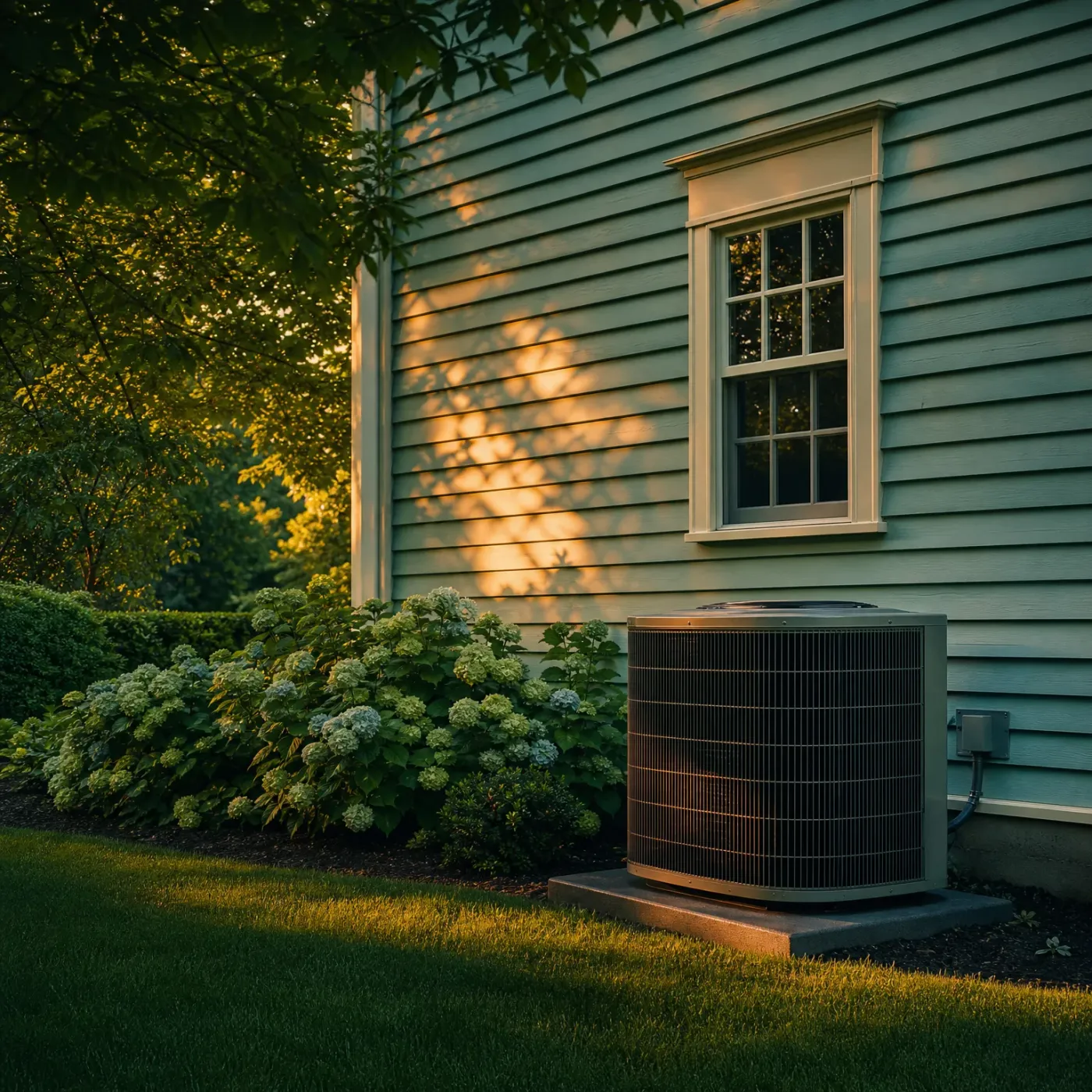
New Jersey summer afternoons average 84°F across June, July and August, hotter than 26 other states see. A standard system sized correctly for your house handles that fine, nothing about this heat calls for oversizing or a step up in equipment. Wind is the other factor worth knowing about. Damaging wind has hit this state over 3,000 times in the past decade, along with dozens of tropical storms and hurricanes. None of that changes what size unit your house needs, but it's a reason the outdoor unit's mounting and placement matter as much as the equipment itself.
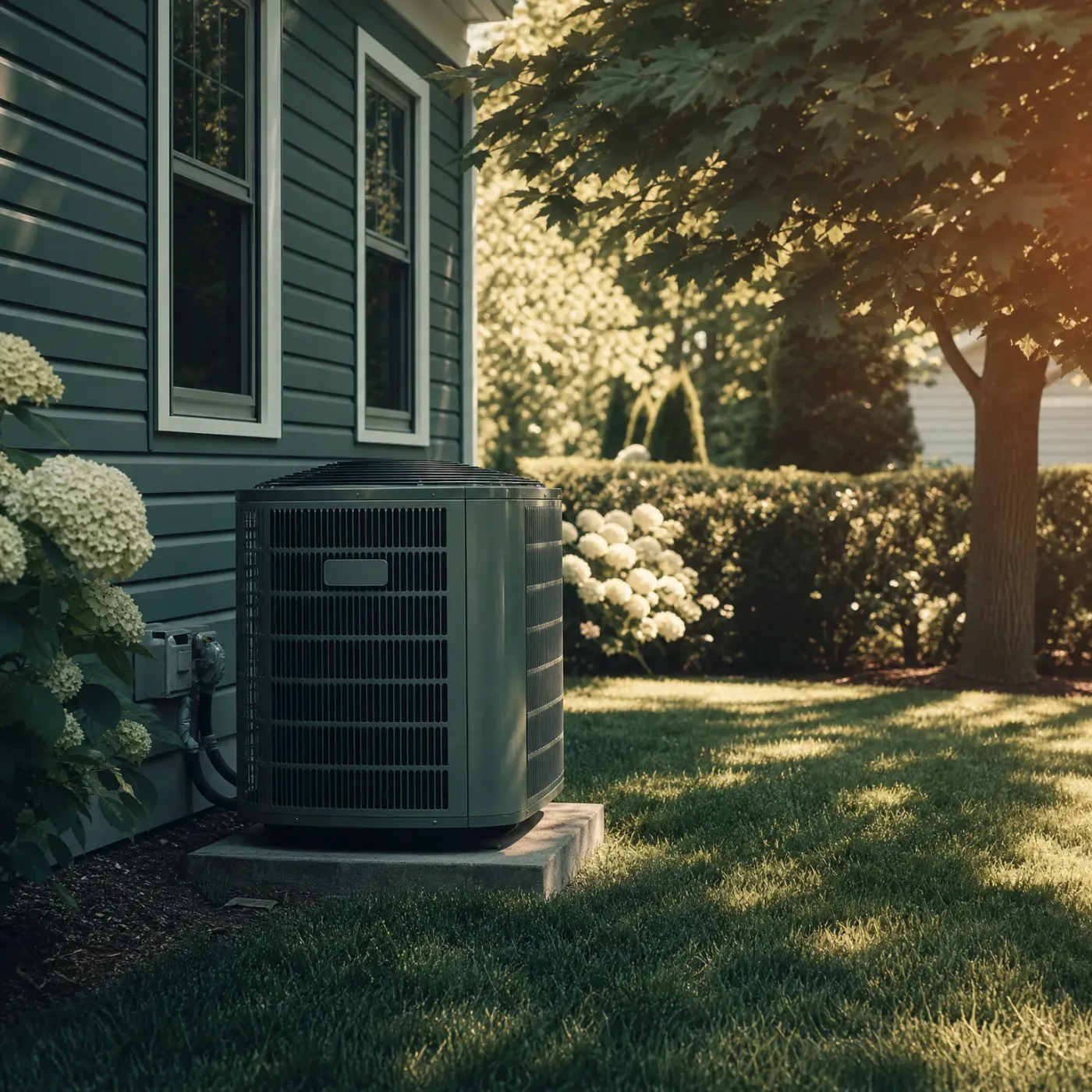
3 months of cooling, June through August
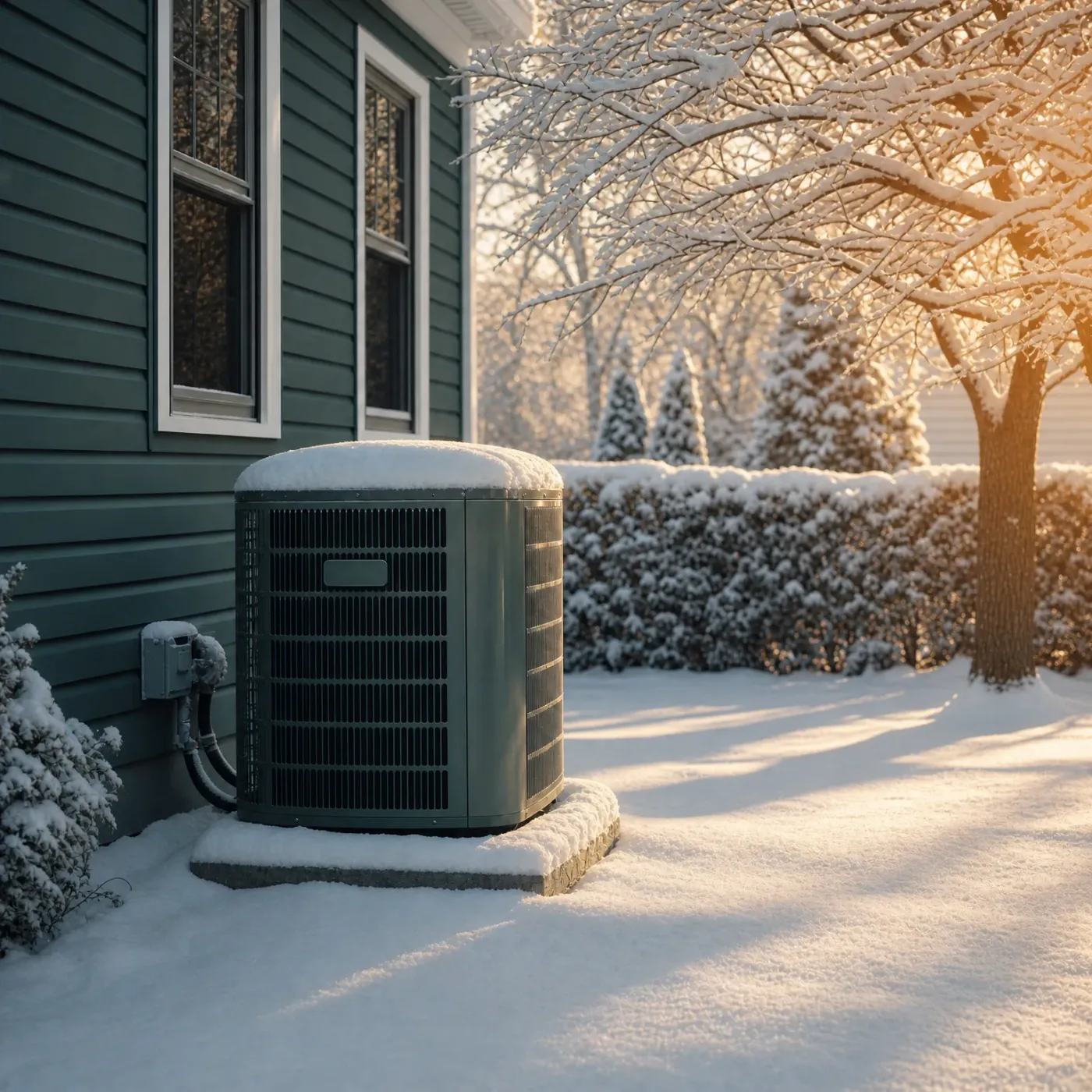
8 months of heat, October through May
Cooling need isn't the same across the state. Homes in the southern counties need about 14% more cooling over a year than homes up north. The gap is widest at the extremes. Salem County needs about twice the cooling that Sussex County does, and Sussex has the lowest cooling need in New Jersey.
Middlesex County runs cooling about four months a year, the longest stretch in the state. Sussex County runs about two, the shortest. A house in Middlesex asks its system to run through twice the months a house in Sussex does.
None of this changes how a contractor sizes your unit. A load calculation already accounts for where in the state your house sits. What changes is how many hours a correctly sized system actually runs over a year, and that depends on which part of New Jersey the house is in.
What does an AC in New Jersey face?
How hot do summer afternoons get?
84°Faverage afternoon high where people live
Alaska66°F
Arizona101°F
How many months does the cooling run?
3 monthsof cooling a year
Alaska0 months
Hawaii12 months
What does electricity cost?
19.34¢per kWh, what homes paid in 2024
North Dakota11.51¢
Hawaii42.86¢
How often do storms hit?
207severe weather events per county from 2015 to 2024
Alaska5
Wyoming1,057
How many homes lost power for a day or more?
11%of homes in 2024
Arizona7%
Maine54%
What you're installing
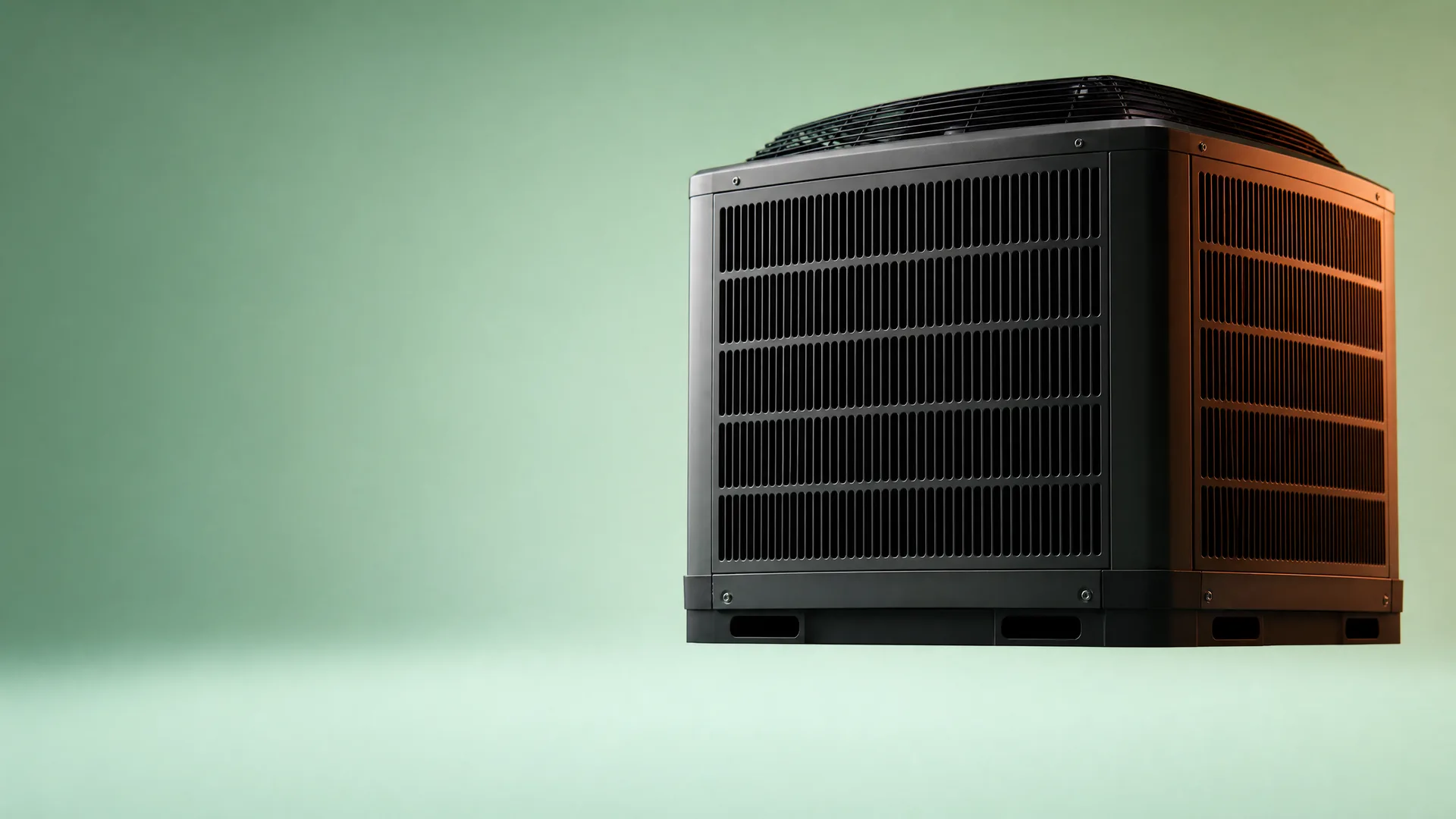
This state's electric rate is 19.34 cents per kilowatthour, higher than 39 other states pay. An air conditioner doesn't change that rate, but it decides how many kilowatthours you buy at it. The compressor is where that gets decided. A unit sized and charged correctly reaches its set temperature and shuts off. One that's low on refrigerant or wired to a mismatched thermostat keeps running past the point where it should have stopped, and every extra minute gets billed at the same 19.34 cents.
What installation day looks like
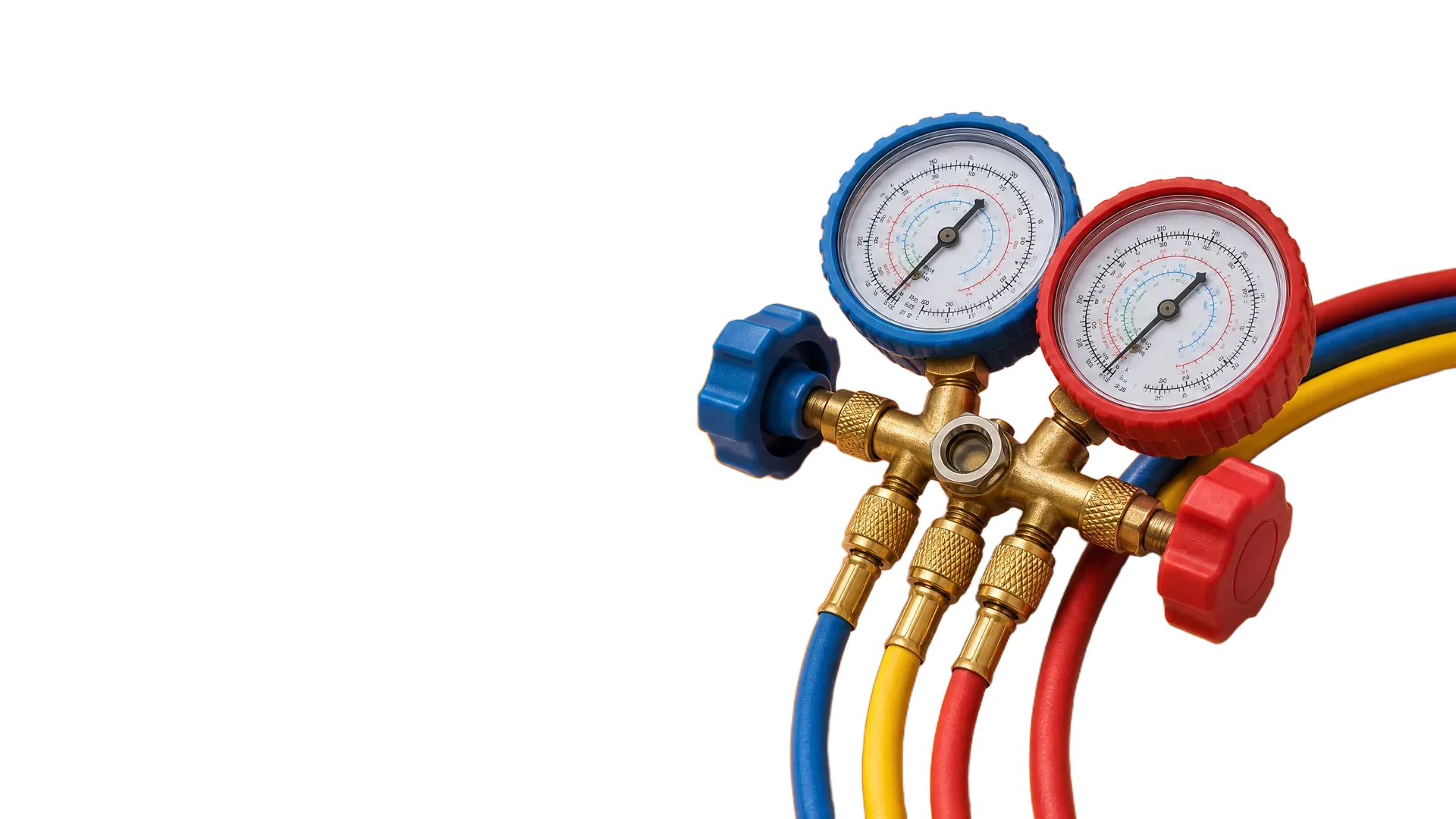
The crew starts outside, with the old unit. If it's being replaced, it gets disconnected, the refrigerant recovered rather than vented, and the pad or slab checked before anything new sits on it. Line sets usually get replaced rather than reused, since old copper can hold contamination that ruins a new compressor fast. Inside, the coil gets matched to the new outdoor unit. A mismatched coil is one of the more common reasons a new system underperforms. Once everything's connected, the line set gets pressurized with nitrogen and left to sit, checking for any drop that would mean a leak. Only after that test passes does refrigerant go in, and it gets weighed in against the manufacturer's charge for that exact line length, not just added until the gauges look right. The last steps are electrical, the disconnect box outside, the breaker sized to the unit's draw, the thermostat wired and configured for whatever staging the compressor has. Before the crew leaves, the system runs a full cycle while someone checks the temperature split between the return air and the supply air. That split is the simplest way to confirm the whole system is doing what it's supposed to.
Most houses here are built around gas heat
Most homes in New Jersey heat with utility gas, 73.1% of them. That's a furnace or a boiler burning gas, paired with central air if the house has ducts for it. When you're replacing the outdoor AC unit, that gas furnace usually stays untouched, but its blower is what moves your cooled air through the house, so the new coil has to match what that blower can push. If your home is part of the 16.2% on electric heat instead, you may already be looking at a heat pump rather than a straight AC swap, since electric furnaces and heat pumps often share the same air handler.
Electricity here costs more than in most states, so the install you choose decides what summer costs.
Tell us about the job
Takes about a minute. No obligation.
Fill out the form once and contractors who install AC systems in New Jersey get back to you.