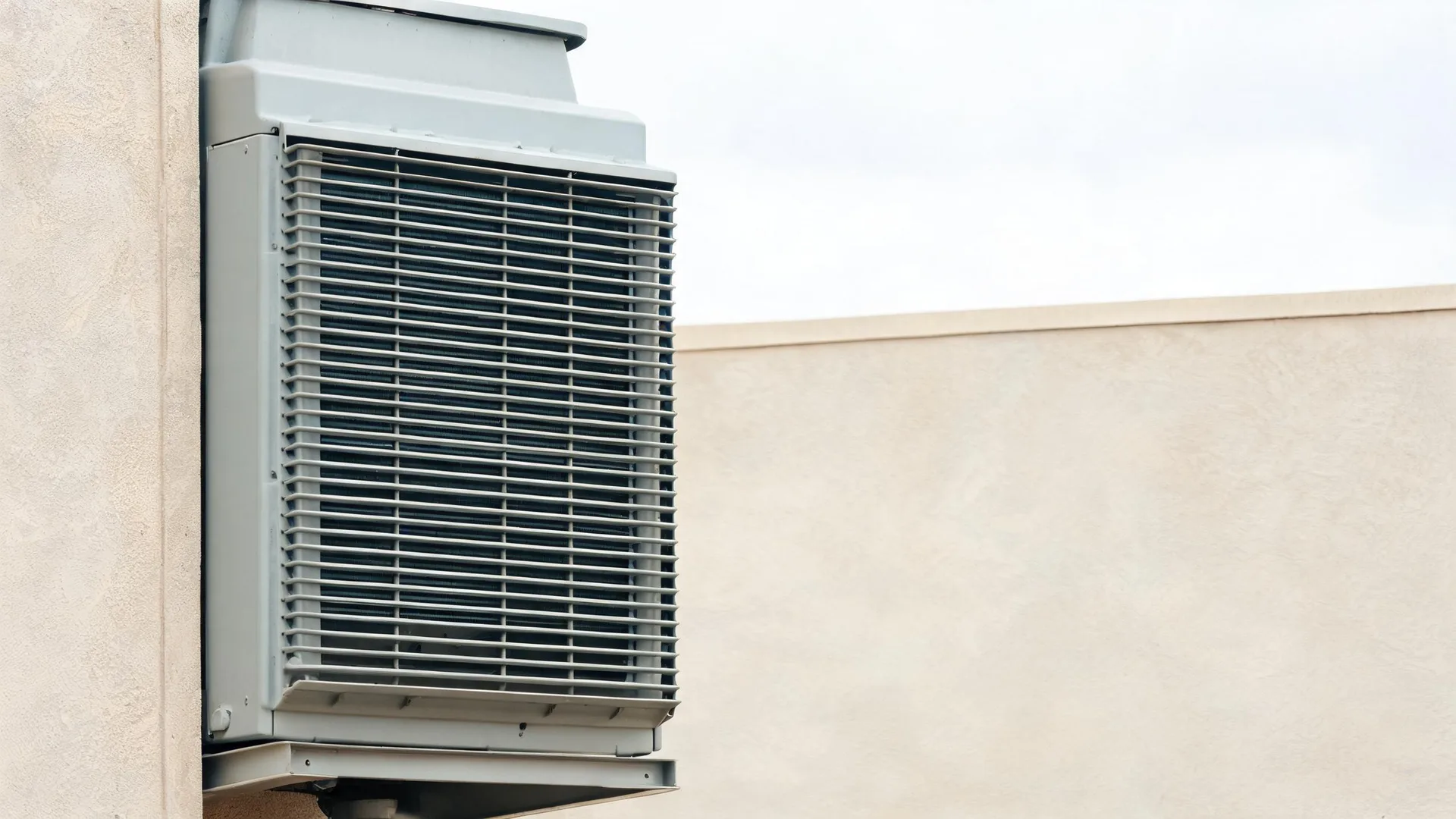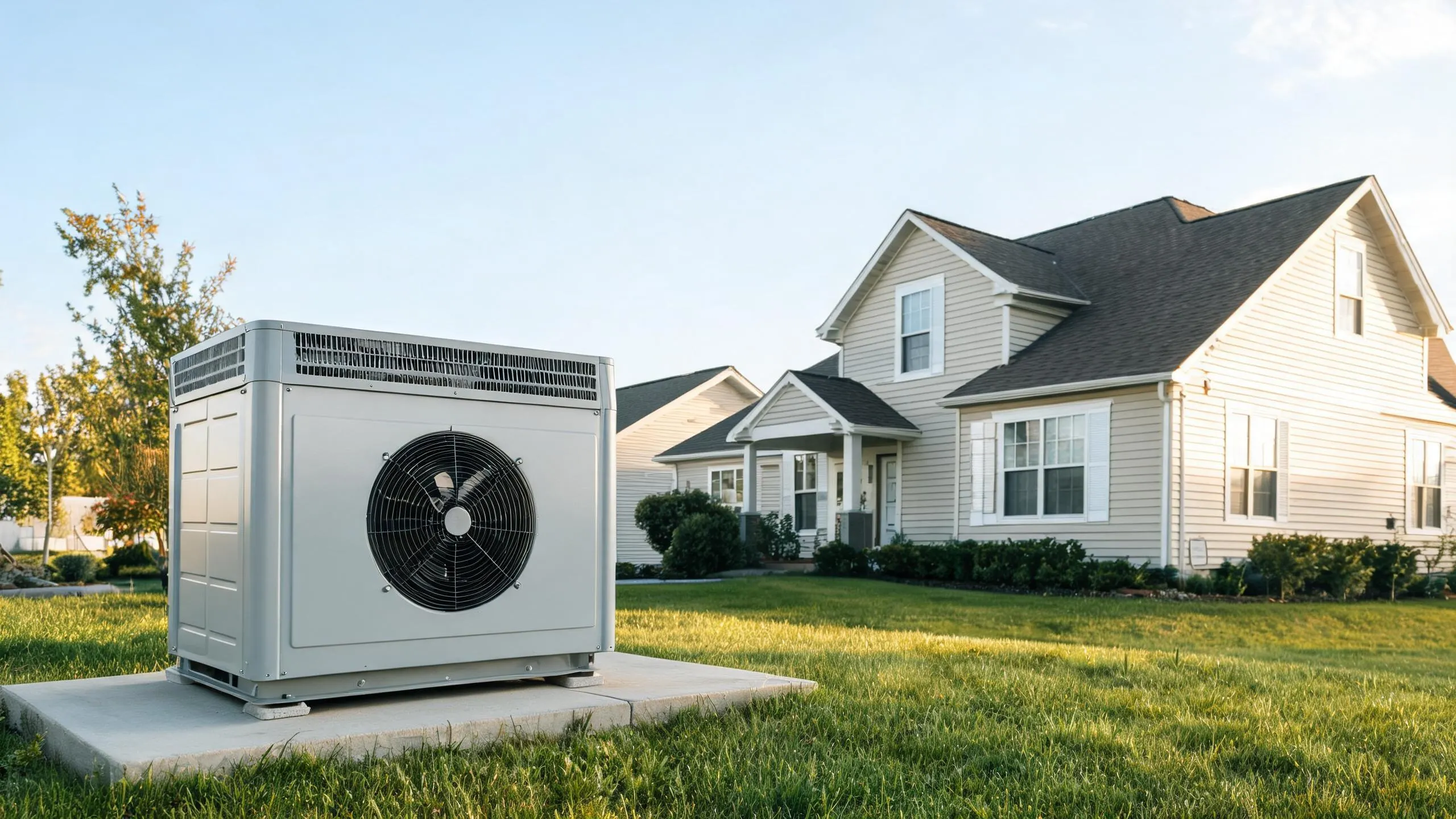
An outdoor heat pump unit mounted on a concrete pad in the front yard of a gray suburban house.

Heat Pump Repair in Paterson, NJ

Tell us about the job

Takes about a minute. No obligation.

RepairHeat PumpPassaic County, NJ
Step 1 of 2

What ZIP code is the job in?

September is when a weak heat pump shows itself

Heat here runs October through May, and the switch from cooling to heat happens fast once the weather turns. A heat pump that struggled at the end of last winter will struggle again the first cold week, often before October even starts.


Get it looked at before the first cold snap

Once a heat pump is running every day to keep a house warm, a repair gets harder to schedule and the house feels it in the meantime. Having it checked in September, before the full load hits, means a weak part gets found while there's still room to fix it right.

8 months
October through May, your system heats
3 months
June through August, it cools
23°F
the average winter night it heats against
82°F
the average summer afternoon it cools against
Isometric line illustration of a cutaway house showing interior rooms with furniture, a furnace or air handler with overhead ductwork, and an outdoor condenser unit connected by lines outside the wall.
Your system heats October through May and cools June through August.

NOAA nClimDiv, 1991–2020 normals

Winters here get cold, but Paterson doesn't throw hail, high wind and ice at a heat pump the way plenty of other places do.

A unit that's been maintained usually has less wrong with it than its age suggests, so repair is the right call more often than replacement.

Half the homes in Passaic County date to 1956 or earlier, and a heat pump in one of them is working off old ductwork and an old electrical setup

Half the homes here were built by 1956
42 damaging wind events from 2015 to 2024
6 hail events from 2015 to 2024

Electricity in New Jersey ran 19.34 cents per kilowatthour in 2024, among the higher rates in the country. A heat pump that's low on charge or struggling to defrost doesn't just run longer to make up for it, it runs at a loss the whole time it's on. Put off the repair and the cost doesn't go away, it just moves into the electric bill while the unit keeps running the way it is. The part that's failing now is the same part that fails later, and waiting doesn't change which one it is.

Worth fixing, most likely

Get a technician out to look at it before you start pricing a new one. A heat pump that's been kept up usually just needs the one part that's actually failing, not a replacement.

Find a contractor
A man in a cap, dark t-shirt and tan work pants walks up steps toward a dark teal front door carrying a canvas tool bag, with a planter of greenery beside the porch.
A gray outdoor HVAC unit mounted on a concrete pad beside a house with gray lap siding and a stone foundation.

What age tells you to ask

If this heat pump came with the house, find out how old it actually is before paying for a repair. A part can be replaced on a unit that still has years in it, or on one that's near the end. Those are different jobs. Ask whoever comes out to look at it straight. How many years are left in this one, and does the repair make sense against that. Get that answer before you get the invoice.

It's running but not keeping up

The heat pump turns on, air comes out of the vents, and the house still won't hold its temperature. That points to a weak compressor, a low charge, or a reversing valve that isn't fully switching between heat and defrost. The unit isn't dead, it's just not moving enough heat to keep pace.

Listen for what changed

A heat pump that starts making a new sound, clicking before it starts, a hum that doesn't turn into a running unit, or a hard rattle from the outdoor cabinet, is telling you something specific failed. Most of these sounds mean a part is still trying to do its job and failing partway through, which is a different problem than a unit that's simply gone quiet.

A heat pump that's low on charge doesn't stop, it just runs longer to move the same amount of heat, and the compressor spends more time working than it was built for. A reversing valve that's stuck partway does the same thing. The unit keeps trying to defrost, or keeps trying to switch modes, and every attempt strains the same weak part a little more. None of this fixes itself by running. The compressor wears toward the point where it seizes instead of just underperforming, and a reversing valve that sticks occasionally now can stick completely later. What would have been a part swap turns into a compressor replacement, and a compressor replacement on an older unit is usually the point where fixing it stops making sense.

A diagnostic visit starts outside, at the outdoor unit. A technician checks the refrigerant charge, looks at the compressor and the reversing valve, and watches how the unit cycles between heating and defrost. Gauges tell them whether the system is moving enough refrigerant to carry heat the way it should. Inside, they check the air handler, the thermostat signal, and the temperature of the air coming off the coil, since a gap between what the thermostat asks for and what the vents deliver points to where the problem sits. Electrical connections and the capacitor get checked too, since a failing capacitor can make a compressor struggle without killing it outright. By the end, the technician should be able to name the part that's failing, not just the symptom.