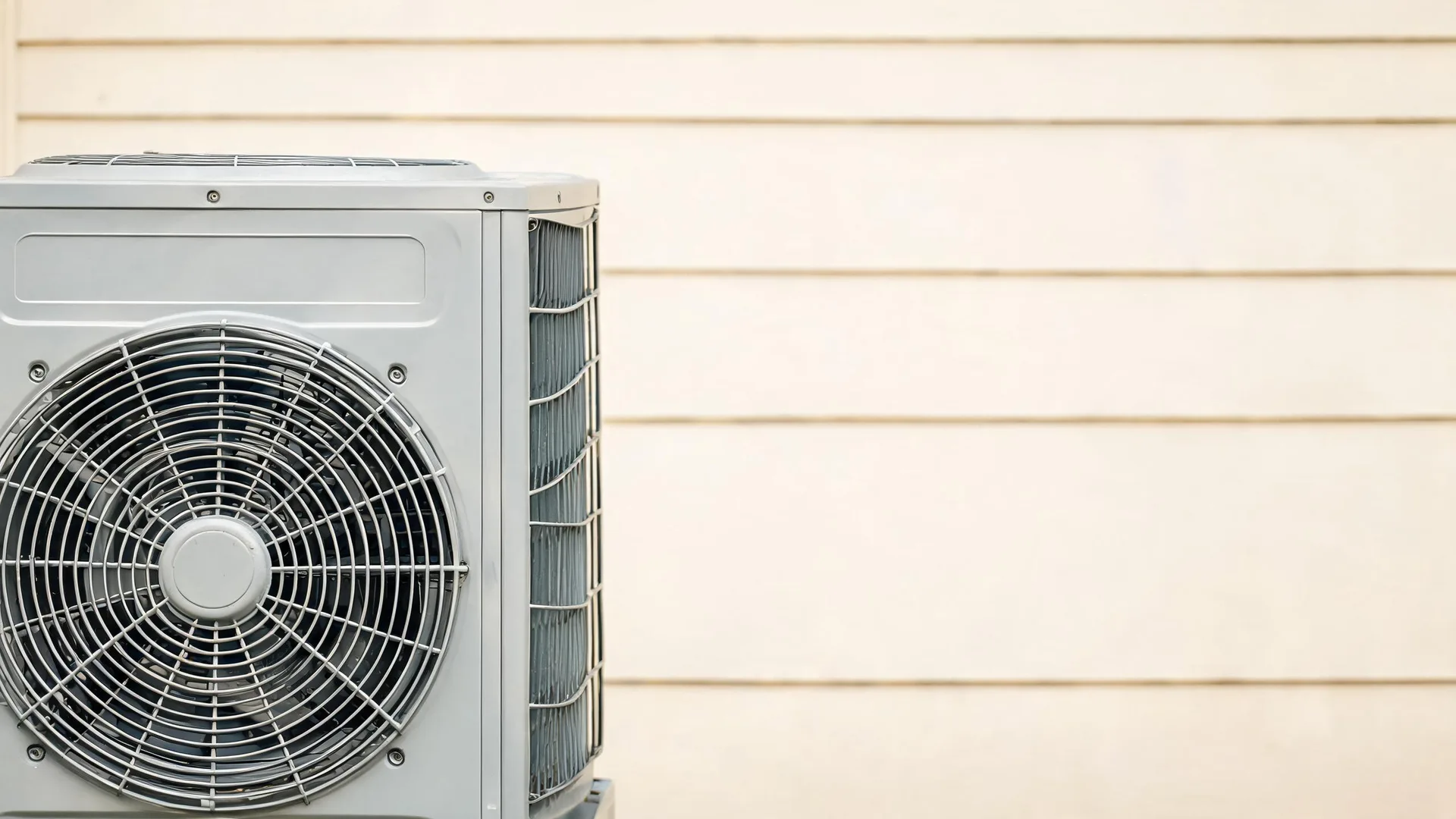
September is when a weak heat pump shows itself
Your heat pump switches over to heating in October. September is when it's worth having someone look, before the first cold stretch puts load on a part that's already struggling.

Takes about a minute. No obligation.
Your heat pump switches over to heating in October. September is when it's worth having someone look, before the first cold stretch puts load on a part that's already struggling.
Heat pumps here run heat for about seven months, October through April. A unit that stops in the first weeks of that run didn't just fail from cold. Something in it was already weak and the extra load finished the job.

NOAA nClimDiv, 1991–2020 normals
Atlantic County's climate splits the work between summer and winter instead of pushing a heat pump hard in one direction all year.
A heat pump here wears from age more than from strain, so a repair on an older unit is usually still worth making.



New Jersey electricity ran 19.34 cents per kilowatthour in 2024, well above what most states pay. A heat pump that's working right still costs something to run on power priced like that. One that's short on refrigerant or struggling on a bad capacitor costs more every month it keeps running that way, because it has to work harder to put out the same heat. That cost doesn't show up as a single number on the bill, just a bill that's higher than it should be. Getting the actual cause found and fixed stops that every month, not just this one.
This unit hasn't been fighting the climate to wear it down. If something's gone wrong, age or a worn part is the likely cause, not years of strain, and that's the kind of problem a repair can fix for good.
Find a contractorThe compressor runs in both seasons, where a furnace or an AC only runs in one, so it logs more hours over a year than either. That's just how a heat pump is built, not a sign of strain. The parts worth watching are the ones that take on wear over a long service life no matter how gently the system runs. The reversing valve is only found on a heat pump, and a valve that sticks will leave you with heat when you want cooling or the other way around. The outdoor coil sits outside all year collecting dirt and grime, and a dirty coil makes the compressor work harder to move the same heat. Refrigerant leaks tend to show up at fittings and joints that flex every time the system cycles on and off. None of this means the unit's been fighting hard weather. It's the ordinary wear of running more hours than a single-season system ever has to.
A heat pump low on refrigerant still runs, so it's easy to put off calling. The compressor keeps working against a charge that keeps dropping, and a compressor that runs hot and overworked long enough can fail completely. What started as a leak at a fitting or coil turns into a compressor that has to be replaced.
A weak capacitor makes the compressor draw more current to start and run. That extra draw heats windings that were never built to run that hot, cycle after cycle. Left alone, the one worn part drags down the one next to it, and the job gets bigger the longer the system keeps running on it.
A heat pump that's failing usually tells you before it quits outright. It runs longer than it used to, or the air coming out doesn't feel as warm or as cool as it should. You might hear it cycling on and off more than normal, never settling into a steady run. Ice building up on the outdoor unit outside of a normal defrost cycle is worth paying attention to, especially if it lingers. A hissing or bubbling sound near the lines points to refrigerant escaping where it shouldn't. If the system blows heat when you set it to cool, or the other way around, the reversing valve is likely stuck. None of these fix themselves, and most get worse the longer the system keeps running against them.
A diagnostic visit starts outside, at the unit itself, before anything gets taken apart. A tech checks refrigerant pressure, since that number alone points to a leak or a failing compressor long before either one shows up as a full breakdown. The capacitor and contactor get checked under load, not just looked at, because a capacitor can test fine sitting still and still fail to start the compressor under real current. The reversing valve gets run both directions to see if it actually switches clean or hangs partway. Airflow gets checked at the indoor coil too, since a heat pump starved for airflow will show symptoms that look electrical but aren't. Most of this gets answered with gauges and a multimeter, not guesswork, and a tech can usually tell you what's wrong before anything gets opened up for repair.