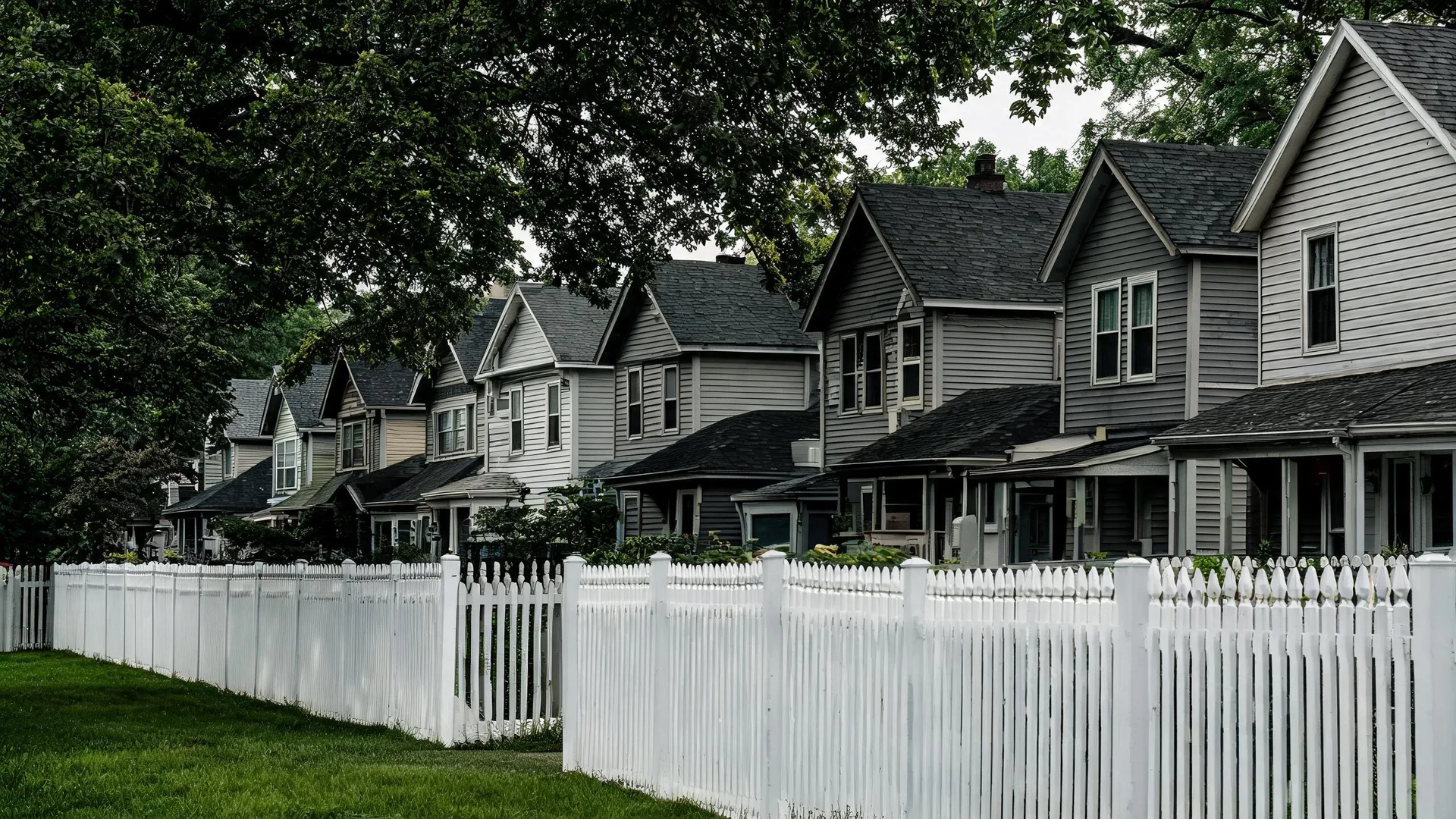





A row of gray and beige wood-sided two-story houses behind a white picket fence, with a grass lawn in the foreground and large leafy trees overhead.

Heat Pump Repair in Vineland, NJ

Tell us about the job

Takes about a minute. No obligation.

RepairHeat PumpCumberland County, NJ
Step 1 of 2

What ZIP code is the job in?

October is when heat pumps here earn their keep, and it's also when a weak one gets found out. A unit that limped through a mild September can struggle the first cold morning it has to switch over and actually produce heat. If yours is short cycling, running constantly without warming the house, or blowing air that feels barely different from room temperature, that's not something that gets better on its own. The same system also has to handle cooling from June through September, so a problem that started over the summer can still be sitting there waiting for the heat to expose it fully.

7 months
October through April, your system heats
4 months
June through September, it cools
28°F
the average winter night it heats against
84°F
the average summer afternoon it cools against
Isometric cutaway illustration of a house showing interior ductwork, an indoor air handler, and beds, with an outdoor condenser unit connected by lines outside the wall.
Your system heats October through April and cools June through September.

NOAA nClimDiv, 1991–2020 normals

Vineland doesn't put extreme strain on a heat pump. Winter lows average 28°F, not the single digits colder zones deal with.

A heat pump here is more likely wearing out from age than from years of hard running, and that's usually worth fixing.

At 19.34 cents a kilowatt-hour, a heat pump running wrong is a bill you'll notice

Power costs 19.34 cents a kWh statewide
87 damaging wind events from 2015 to 2024
10 winter storms from 2015 to 2024

Half the homes in Cumberland County were built in 1969 or earlier. If yours is one of them, the heat pump probably isn't the original system, but whatever replaced it could be getting up there in years too. Age doesn't show on the outside. A unit that looks fine can still be close to done, and a contractor can't tell just by driving up. If this repair is more than a quick fix, it's worth asking how many years it actually buys you before you pay for it.

Worth a look before it's worth replacing

A heat pump that's worn from age rather than hard use is usually worth fixing, and that's the case for most systems here. Get a contractor to find out what's actually wrong before you rule it out.

Find a contractor
A dark gray heat pump unit mounted on a concrete pad next to a house with gray siding and a stone veneer wall.

What this buys you

Ask whoever comes out to repair this one how many years it has left before you spend money on it. That number should decide whether the repair makes sense, not the other way around. A contractor who's inside the unit can get a read on what's worn and what isn't, which is more than a guess from the outside.

What you can check yourself

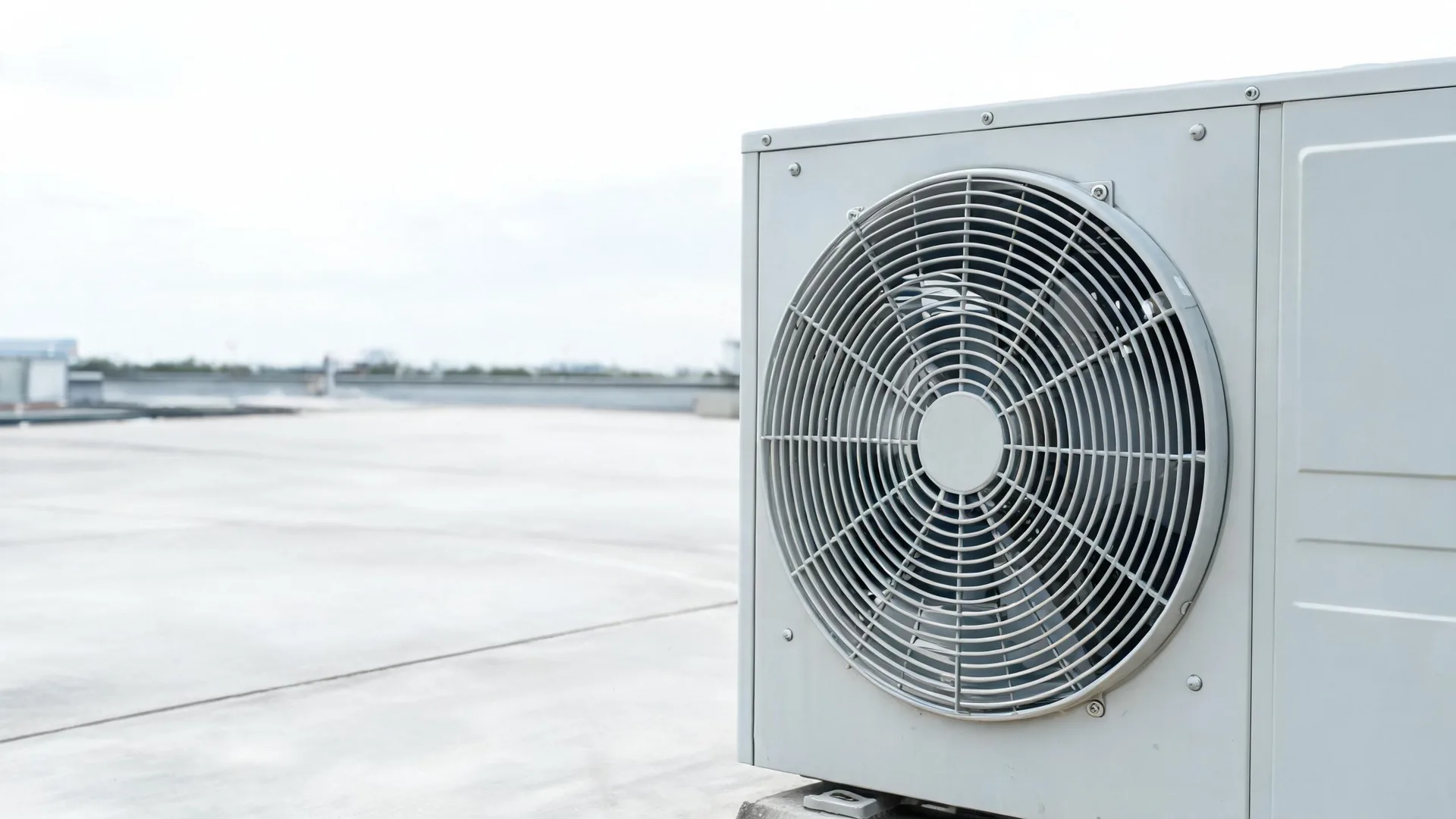
Look at the outdoor unit first. Snow, leaves or ice packed against the coil blocks airflow and the system can't move heat either direction. Check the air filter inside, a clogged one starves the whole system and shows up as weak airflow at the registers. Walk around and make sure no vents are closed or blocked by furniture. Check the thermostat is set to heat, not auto or cool, and swap the batteries if it's the battery type. None of this takes long, and it rules out a fair share of what gets called in.
What's not yours to open

Frost on the outdoor coil in the cold months is normal, the unit clears it on its own on a cycle. Heavy ice that never melts off is different, and it usually means the defrost control or a sensor has failed. If the outdoor fan isn't turning at all, or the cabinet is grinding or clicking, that's electrical or mechanical and it needs a licensed hand. Refrigerant is the same. A low charge or a leak isn't something to check or top off yourself.

A heat pump fails in a few predictable spots. The reversing valve is what lets it switch between heating and cooling, and if it sticks, the system keeps running but stops doing what the thermostat asked for. The defrost control and its sensor can fail too, which is why a unit might ice over outside and never clear itself. Capacitors weaken over years of starting the compressor and fans, until one day the motor hums but won't turn. The compressor is the part everything else protects, and when it fails it's usually from years of strain, a refrigerant leak that ran it low, or electrical damage from a failed capacitor upstream. None of this announces itself early. It shows up as the system running longer than it used to, or not quite catching up on the coldest mornings.

Repair and replace both fix the same symptom, so the question is what you're actually paying for. A repair puts money into whatever part failed. A replacement starts the clock over on every part at once. If the compressor is still good, there's usually no reason to touch the rest of the system just because one sensor or control board gave out. Those parts fail on their own schedules and get swapped on their own schedules too. Where it tips the other way is when the compressor itself is the problem, or when the unit has already had more than one repair in close succession. At that point you're not fixing a part, you're betting the next one holds.