
Check the thermostat first
Make sure it's set to heat, not cool, and the set temperature is actually above room temperature. If the display looks dim or blank, check the batteries. A heat pump can't do anything wrong if it was never told to run.
Takes about a minute. No obligation.
Heat pumps here run heat from October through April, about seven months a year. The first cold stretch is when a weak part finally gets tested, because the system is pulling more out of the outdoor air than it had to all summer. A low charge or a failing reversing valve can sit unnoticed through a mild September and then fail the first week it has to deliver real heat. If your system is due for a look, September is the better time to catch it, while it still only has to handle cooling loads.

NOAA nClimDiv, 1991–2020 normals
Long Branch gets cold winter nights, averaging 27°F through December, January and February, but that's normal for a heat pump to handle.
When one stops keeping up on a cold night, the cause is usually a worn part inside it, not the weather outside.




Half the homes in Monmouth County were built in 1975 or earlier, half later. That split doesn't tell you much about your heat pump. A system put in an older house and one put in a newer house wear out the same way, because the parts inside are the same parts. What matters is the equipment itself, not when the house went up. If your heat pump came with the house, that's worth knowing, since it points to how long it's actually been running. Beyond that, a contractor is checking the reversing valve, the charge, the capacitor, the same places they'd check in any home here.
A heat pump running badly still runs. At 19.34 cents a kilowatthour, a bad capacitor or a low charge keeps costing you every month it's left alone. Have it looked at.
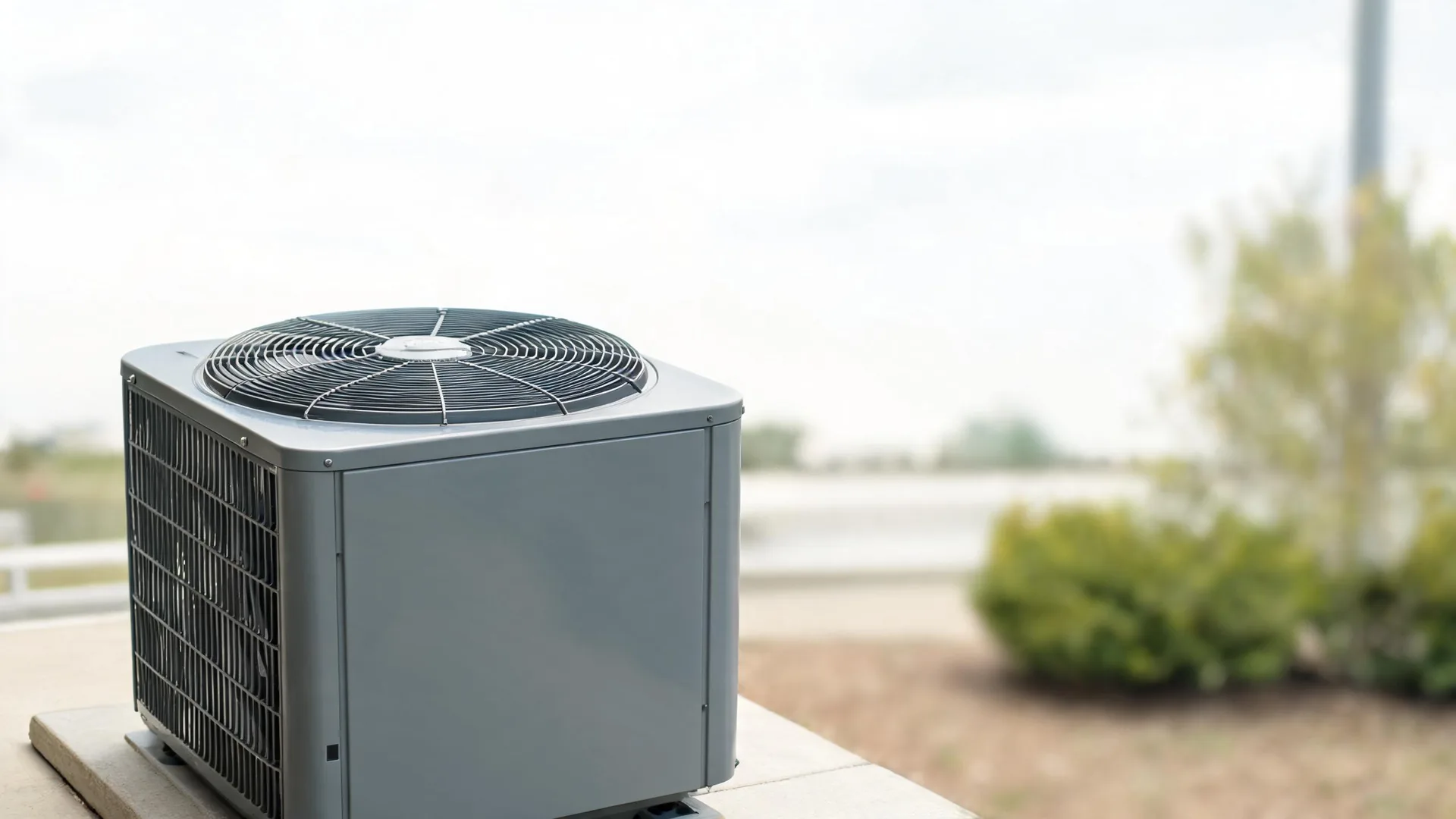
Find a contractorA heat pump that's running fine doesn't announce itself. You notice the one that isn't. It might run long stretches without ever feeling like it's caught up, or blow air that's warm but not warm enough to feel right on your hand. Ice building up on the outdoor unit and not melting off between cycles is another one, since some frost in cold weather is normal but a coil that stays caked means the defrost cycle isn't doing its job. Listen for it too. A hard clunk when it switches between heating and cooling points at the reversing valve. A hum with no fan movement points at the capacitor or the motor itself. Short cycling, where it kicks on and off every few minutes instead of running a full stretch, wears on the compressor faster than almost anything else it can do. None of these fix themselves by waiting through another cold night.
Make sure it's set to heat, not cool, and the set temperature is actually above room temperature. If the display looks dim or blank, check the batteries. A heat pump can't do anything wrong if it was never told to run.
Walk outside and see if anything is blocking it. Leaves, a fallen branch, snow piled against the side all keep it from pulling heat out of the air. If it's caked in ice that isn't melting off during a cycle, tell the contractor that when they arrive instead of chipping it off yourself.
A reversing valve that's starting to stick will still switch, just not cleanly, and every cycle after that asks it to seat against refrigerant pressure it can no longer hold back. The leak inside it gets worse under that load. A low charge wears on the system the same way. The compressor was built to pump a full charge, not a partial one, so running it low makes it run hotter and longer to move the same heat, and that heat has nowhere to go but back into the compressor windings. A capacitor that's weakening doesn't fail all at once either. It gives the motor a smaller push on each start, the motor pulls more current to make up for it, and that extra current is what finally kills the capacitor for good. None of these get better by giving them more hours to run.
A diagnostic visit starts outside, at the unit itself. A contractor checks the refrigerant charge with gauges, not by guessing, because a system can be low enough to struggle but not low enough to show an obvious leak. They pull the cover and look at the reversing valve and the capacitor, since both show wear before they fail outright. Then come the electrical readings. Current draw at the compressor, voltage at the contactor, resistance across the motor windings, each checked against what the system was built to run at, not against what feels right. Once they know which part is off, they can tell you whether it's worth repairing or whether that part's failure is a sign the compressor itself is on its way out.