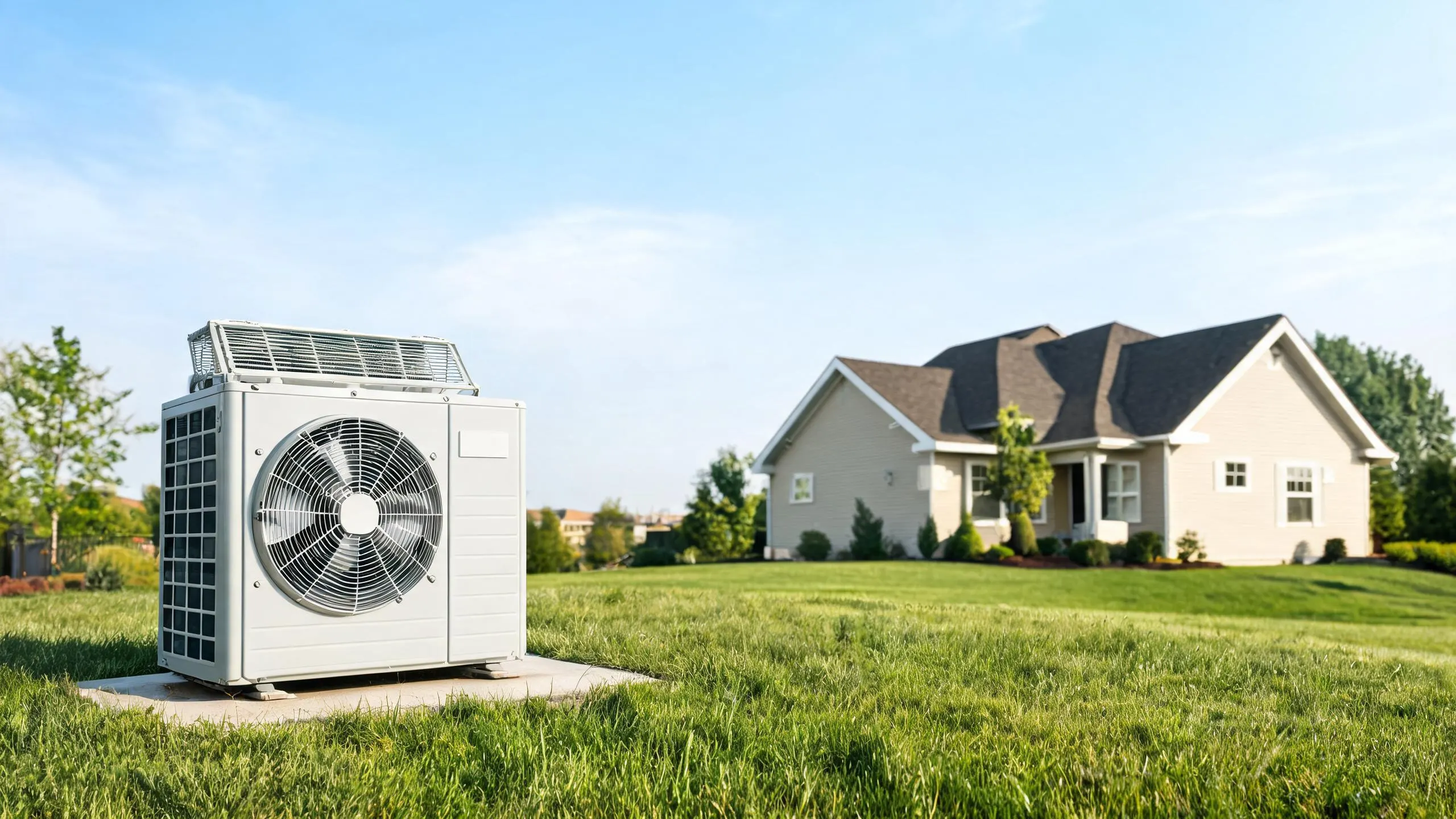






An outdoor air conditioning condenser unit mounted on a concrete pad in front of a single-story suburban house.

Heat Pump Repair in Elizabeth, NJ

Tell us about the job

Takes about a minute. No obligation.

RepairHeat PumpUnion County, NJ
Step 1 of 2

What ZIP code is the job in?

Elizabeth asks a heat pump to do two jobs, heating from December through February and cooling in summer, and winter nights here average 26°F. That's well within what a heat pump is built to handle, so a unit that's struggling isn't being asked to do something unusual. More likely it's losing refrigerant charge, a defrost control acting up, or a contactor or capacitor wearing out, the same failures that show up in these systems anywhere. Worth checking first is whether it's actually failing to heat or just running longer than you're used to, since longer run times in cold weather are normal. If it's short-cycling, blowing cold air during a defrost cycle that won't end, or not keeping up at all, that points to a real fault worth having a contractor look at.

7 months
October through April, your system heats
4 months
June through September, it cools
26°F
the average winter night it heats against
84°F
the average summer afternoon it cools against
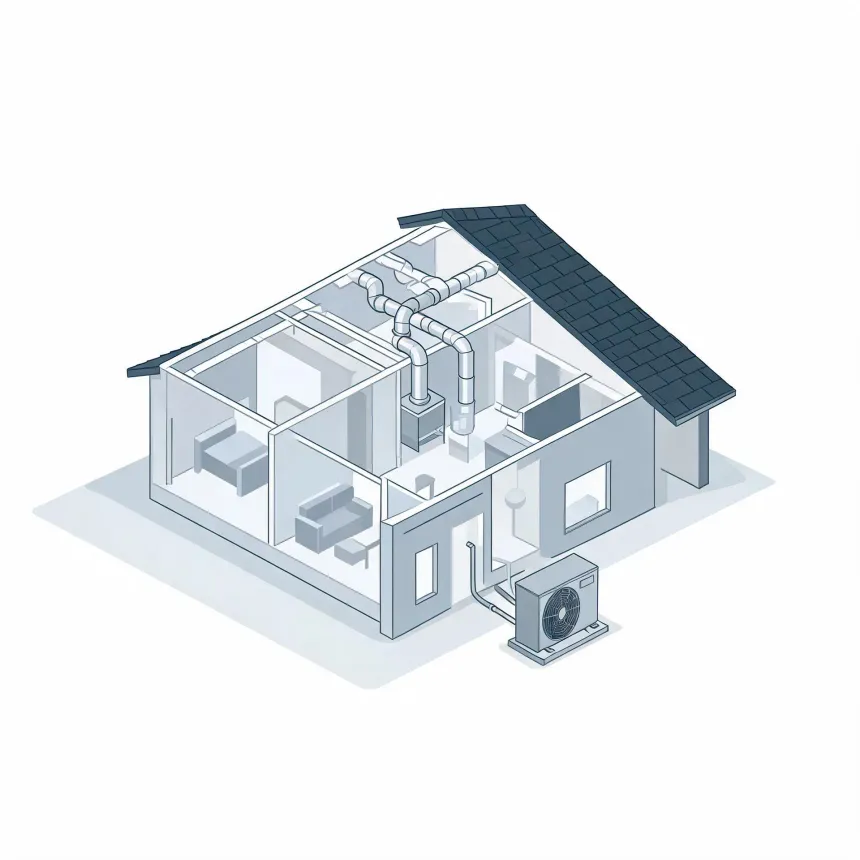
Isometric line illustration of a cutaway house showing interior rooms with furniture, ceiling ductwork connected to an indoor air handler, and an outdoor condenser unit linked by refrigerant lines.
Your system heats October through April and cools June through September.

NOAA nClimDiv, 1991–2020 normals

Heat here starts in October, right after a September where the system barely ran.

A weak part can sit unnoticed all September and give out in the first cold week.

At 19.34 cents a kilowatt-hour, a heat pump working harder than it should shows up fast on your bill

Power costs 19.34 cents a kWh statewide
98 damaging wind events from 2015 to 2024
33 winter storms from 2015 to 2024
Elizabeth's housing stock runs oldHalf the homes in Union County were built in 1956 or earlier

A heat pump that's low on charge or stuck in a bad defrost cycle doesn't just stop working, it runs long and pulls power the whole time it's struggling. At New Jersey's electric rates, that shows up on next month's bill before you've even pinned down what's wrong. A contractor can check the charge and the controls in one visit and tell you which it is. Waiting doesn't make the fix cheaper, it just means more weeks of paying for a unit that's working against itself.

Get the usual fix

Nothing about this area is especially hard on it. It's most likely the usual problem with the usual fix.

Find a contractor
A man in a cap, navy T-shirt and tan work pants, seen from behind, climbs porch steps toward a dark teal front door while carrying a canvas tool bag.
A gray air-source heat pump mounted on a concrete pad next to a house with gray vinyl siding, surrounded by gravel and flanked by green shrubs and white hydrangea flowers.

A small fault now is a bigger repair later

A heat pump low on charge keeps trying to reach the set temperature and never gets there, so it just runs. That long runtime is hard on the compressor, and the compressor is the one part in the system you don't want to lose. A stuck defrost cycle does damage a different way. It pushes cold air through the house while the system thinks it's clearing ice that may not even be there, and the compressor stays under strain the whole time. A failing capacitor wears things down on its own schedule. It makes the compressor or fan motor struggle to start each cycle, and that struggle shortens the motor's life a little more with every start. None of these faults sit still. The part that's already weak stays under load until it gives out, usually on the next cold night rather than a mild one.

The reversing valve takes the most wear

A heat pump switches between heating and cooling with a reversing valve, and that valve works every single cycle. Over time it can stick or leak. When it does, the system either won't switch modes or loses capacity trying to. Low refrigerant charge wears things down a similar way. The compressor has less to work with on every cycle, so it runs longer and harder to make up the difference.
A dirty coil gets blamed on something else

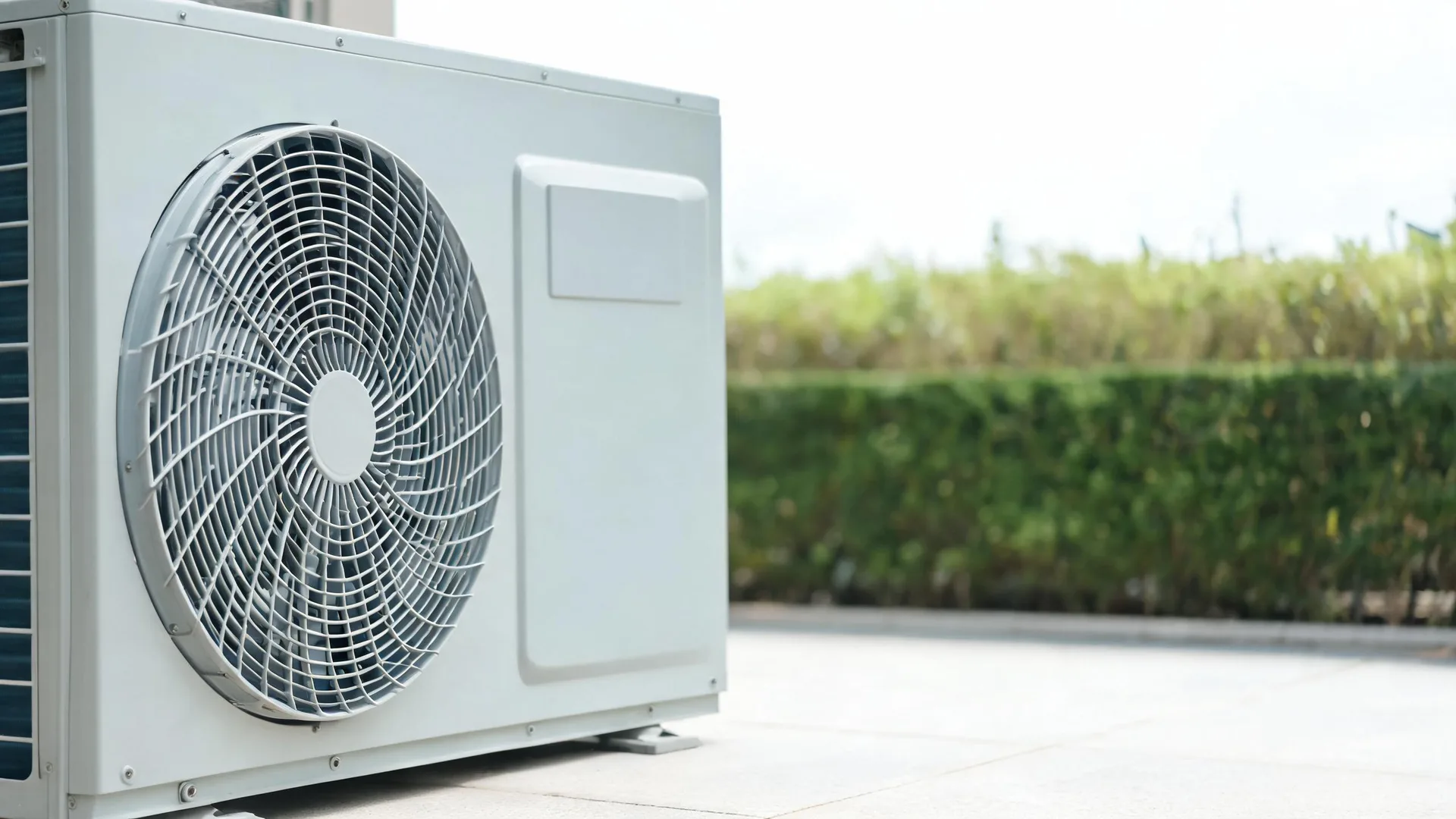
The outdoor coil has to stay clean and free of ice to move heat properly. When it can't, people notice weak heat, long runtimes, a unit that cycles more than it should. They assume the compressor or thermostat is failing. Often it's the coil itself, or a defrost sensor that isn't telling the system when to clear it. Worth having someone check the coil before replacing a bigger part.

Most calls start with something simple. The heat pump runs and runs but the air coming out doesn't feel warm, or the house just won't hold its temperature no matter where the thermostat is set. Sometimes it's the opposite complaint, air blowing cold for a stretch when it should be heating, which usually means the system is stuck mid defrost. A clicking sound when the unit tries to start and nothing happens after is often a failing capacitor or contactor, not the compressor itself. Ice building up on the outdoor unit and staying there, rather than clearing on its own, points to a defrost control or a sensor that isn't doing its job. Any of these are worth a call before the part that's struggling takes something bigger down with it.

A diagnostic visit starts outside, at the unit itself. A contractor checks refrigerant charge first, since that number explains a lot of what a homeowner is feeling inside the house. From there it's the electrical side, the contactor and capacitor, checked by watching how the compressor and fan motor start up rather than guessing from symptoms alone. The reversing valve gets tested next, since a valve that won't fully switch can look like several other problems at once. Last comes the defrost control and sensor, watched through an actual cycle if needed to see whether the system clears ice when it should or runs past the point it needs to. Each test rules something out and points toward what's left, so the contractor isn't swapping parts to see what helps.