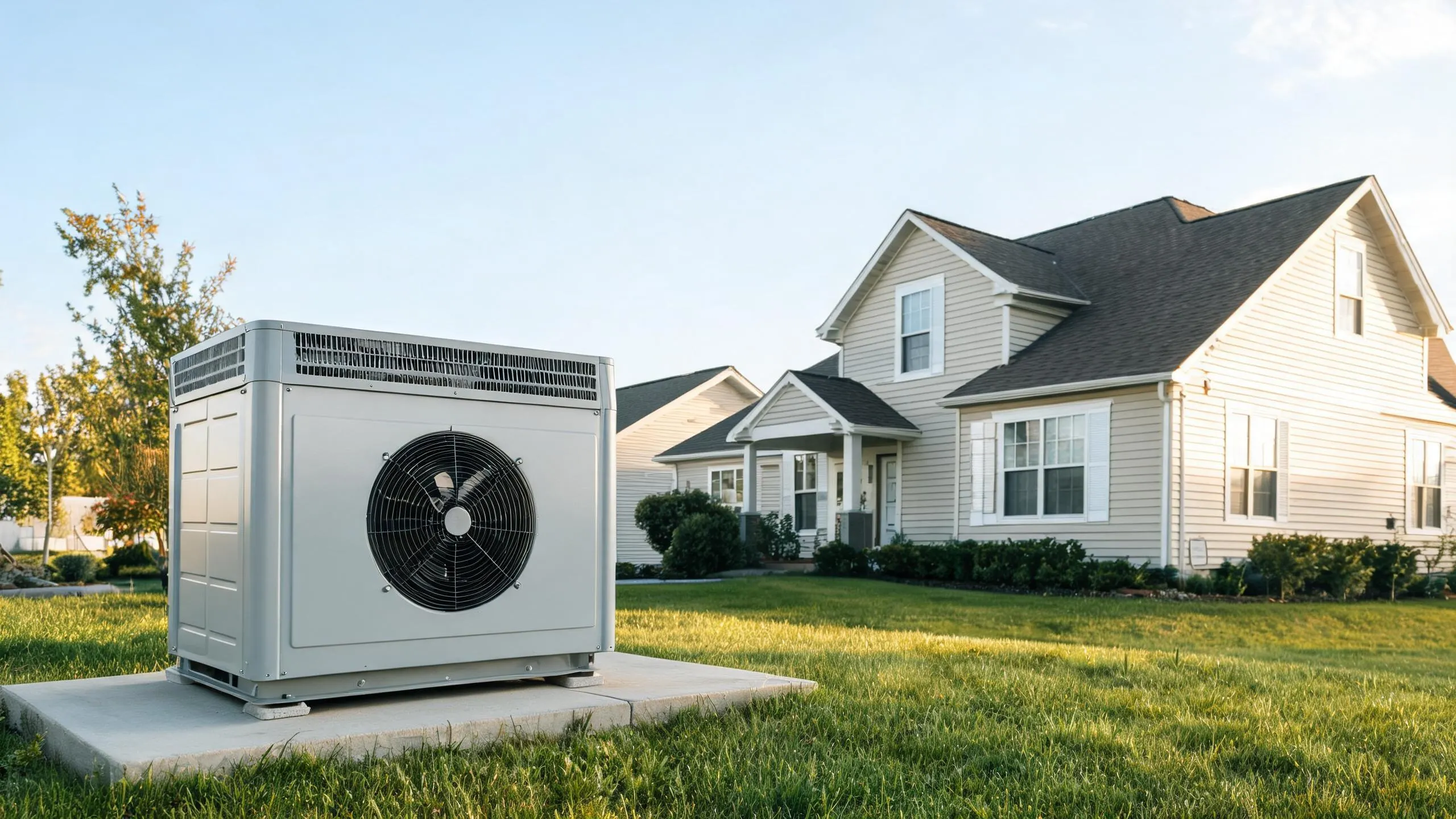







An outdoor heat pump unit mounted on a concrete pad in the front yard of a gray suburban house.

Heat Pump Repair in Point Pleasant, NJ

Tell us about the job

Takes about a minute. No obligation.

RepairHeat PumpOcean County, NJ
Step 1 of 2

What ZIP code is the job in?

Point Pleasant asks a heat pump to do both jobs, cooling through the summer and heating through winter nights that average 27°F. That's normal duty for this climate zone, not a strain. When a heat pump here stops keeping up, it's usually something ordinary. A dirty filter choking airflow. A low refrigerant charge. A failing capacitor. A system stuck in defrost and not switching back. None of that points to anything unusual about this area. A licensed contractor can check the charge, the airflow, and the reversing valve and tell you which one it is.

8 months
October through May, your system heats
4 months
June through September, it cools
27°F
the average winter night it heats against
84°F
the average summer afternoon it cools against
Isometric line illustration of a cutaway house showing interior rooms with furniture, a furnace or air handler with overhead ductwork, and an outdoor condenser unit connected by lines outside the wall.
Your system heats October through May and cools June through September.

NOAA nClimDiv, 1991–2020 normals

Flip the breaker off and back on before you call anyone, and check that the thermostat still has power and the right setting.

If the outdoor unit is caked in ice or buried in leaves, clear what you can reach by hand and leave the rest for the contractor.

At 19.34 cents a kWh, a heat pump running wrong runs up your bill fast

Power costs 19.34 cents a kWh statewide
278 damaging wind events from 2015 to 2024
29 hail events from 2015 to 2024
A newer countyHalf the homes in Ocean County were built in 1981 or later.

Point Pleasant sits close enough to the coast to see its share of wind and storms, and the power can go out for a stretch when it does. That part is just weather. It doesn't mean anything is wearing out your heat pump faster than one anywhere else in this climate zone. What it does mean is that a heat pump is more likely to need a reset after an outage than a repair. If the power's been off and the system won't start back up on its own, check the breaker and the thermostat before assuming something broke. If it still won't run, or it's making noise or short cycling with the power steady, that's a contractor call, not a storm problem.

A heat pump running wrong costs you every day it's not fixed

A heat pump that's low on charge or stuck in defrost still draws power the whole time it runs. At 19.34 cents a kWh, that's not a small drag on your bill. Getting the charge and the reversing valve checked now stops the waste instead of paying it all winter.

Find a contractor
A man in a cap, dark t-shirt and tan work pants walks up steps toward a dark teal front door carrying a canvas tool bag, with a planter of greenery beside the porch.
A gray outdoor HVAC unit mounted on a concrete pad beside a house with gray lap siding and a stone foundation.

Worth fixing, not replacing

If your heat pump came in with the house, there's a good chance it's not old enough to be the problem. A unit still within its working life is worth repairing when something goes wrong, not replacing. Have the contractor diagnose the actual part, the charge, the capacitor, the reversing valve, before anyone talks about a new system.

A low charge gets lower

A heat pump running low on refrigerant doesn't fix itself by running. The compressor keeps cycling with less gas than it needs, and that strain on the compressor is what actually fails over time. A leak that could have been found and sealed early just keeps leaking while the system runs short.
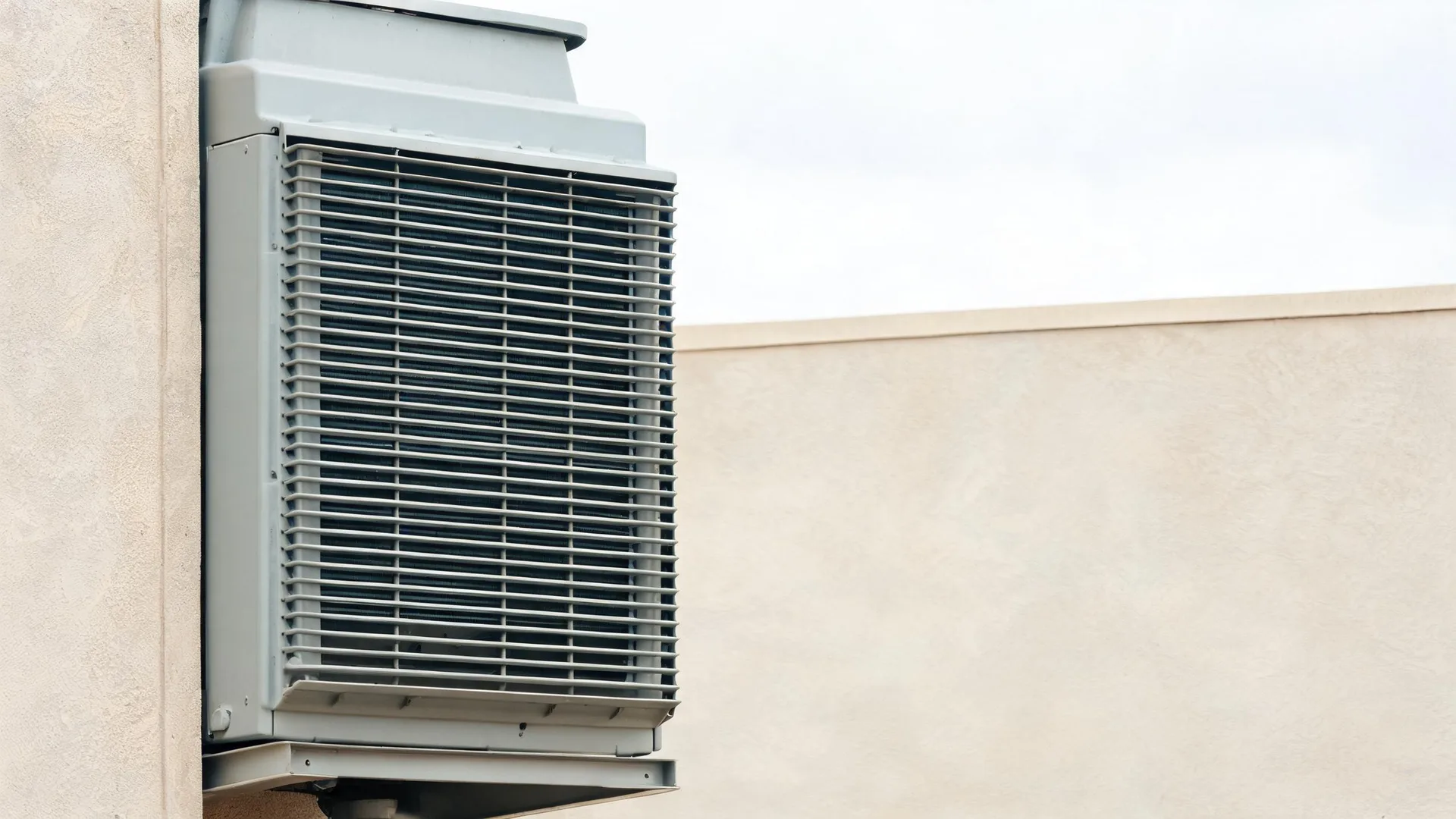
Stuck in defrost wears the parts, not just time

A reversing valve that won't switch back from defrost leaves the system blowing cold air while it's supposed to be heating. The unit answers by running longer to try to catch up, and that extra runtime falls on the compressor and the fan motor for no heat delivered. Shutting it off and calling someone beats letting it grind through the night.

Deciding between repair and replacement comes down to what's actually wrong, not how old the unit feels. A single failed part, a capacitor, a contactor, a blower motor, is almost always worth fixing regardless of the system's age, because that part failing doesn't mean the rest of the unit is going with it. What changes the math is when the compressor itself is failing, or when the coil has corroded through and keeps leaking after it's patched. Those sit in a different category because the cost of chasing them tends to repeat. A contractor who's opened the unit up can tell you which kind of problem you have. That answer matters more than a number on a nameplate.

A diagnostic call starts outside at the unit, not inside at the thermostat. The contractor checks the refrigerant charge with gauges, because that number tells them more than how the system sounds or feels. They'll run it in each mode, heating and cooling, and watch whether the reversing valve actually switches or just hangs there. The capacitor gets tested under load, since a weak one can still pass a visual check and fail anyway. They'll pull the filter and look at the coil, because airflow problems mask as other things if you don't rule them out first. Most of the visit is elimination, not guesswork. By the time they tell you what's wrong, they've already ruled out what it isn't.