
AC Maintenance in New Jersey
Homes in New Jersey are older than in 43 of the other 49 states.
Tell us about the job
Takes about a minute. No obligation.
- 84°Fsummer afternoon high where people live
- 3 monthsof cooling, June through August
- 19.34¢ per kWhwhat homes paid for power in 2024 (kWh means kilowatt hours, the unit on an electric bill)
- 353hail events from 2015 to 2024
Electricity here costs more than most a neglected AC wastes it faster
- Southern counties need about 14% more cooling than northern ones
- Summer afternoons average 84°F where people live
- Cooling runs June through August
- 353 hail events from 2015 to 2024
- 3,127 damaging wind events from 2015 to 2024
- 11% of homes lost power a day or more in 2024


New Jersey homes are older than most, and older systems need more attention
Half the homes in New Jersey were built in 1970 or earlier. Most homes here are detached or attached single-family houses, the kind with their own AC system rather than one shared across a building. A system that old has usually been through a few repairs nobody wrote down, maybe an owner or two. A yearly check is how a tech catches a weak capacitor or a coil that's losing efficiency before it becomes a breakdown.

Cooling here only has to run from June through August, three months, with afternoons averaging 84°F. That's a shorter stretch than what most states deal with. One tune-up before that stretch covers the whole season.
New Jersey sees a lot of damaging wind, more than almost every other state over the past decade, plus the occasional tropical storm or hurricane. Outdoor units take the brunt of that. A yearly check lets a tech look at the cabinet, the fan and the wiring for anything a storm shook loose before the next one comes through.
Summer starts fast, so get ahead of it in May
June is when cooling starts here, and the system goes straight to full use from the first hot day. There's no mild stretch to ease into. Book the check in May, before that happens. A tech can find a cracked contactor or a dirty coil while the unit is sitting idle, not after it's already working to keep up.
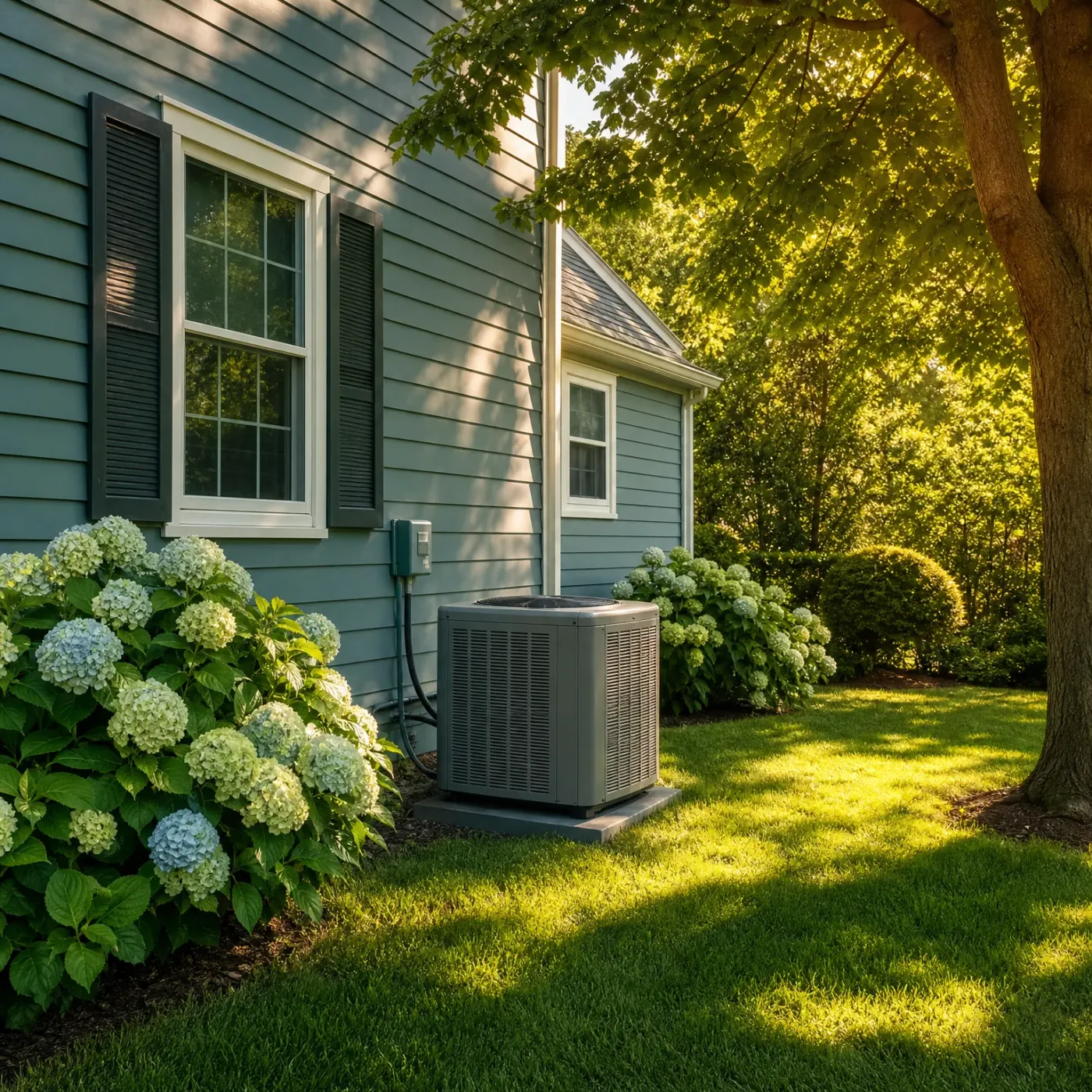
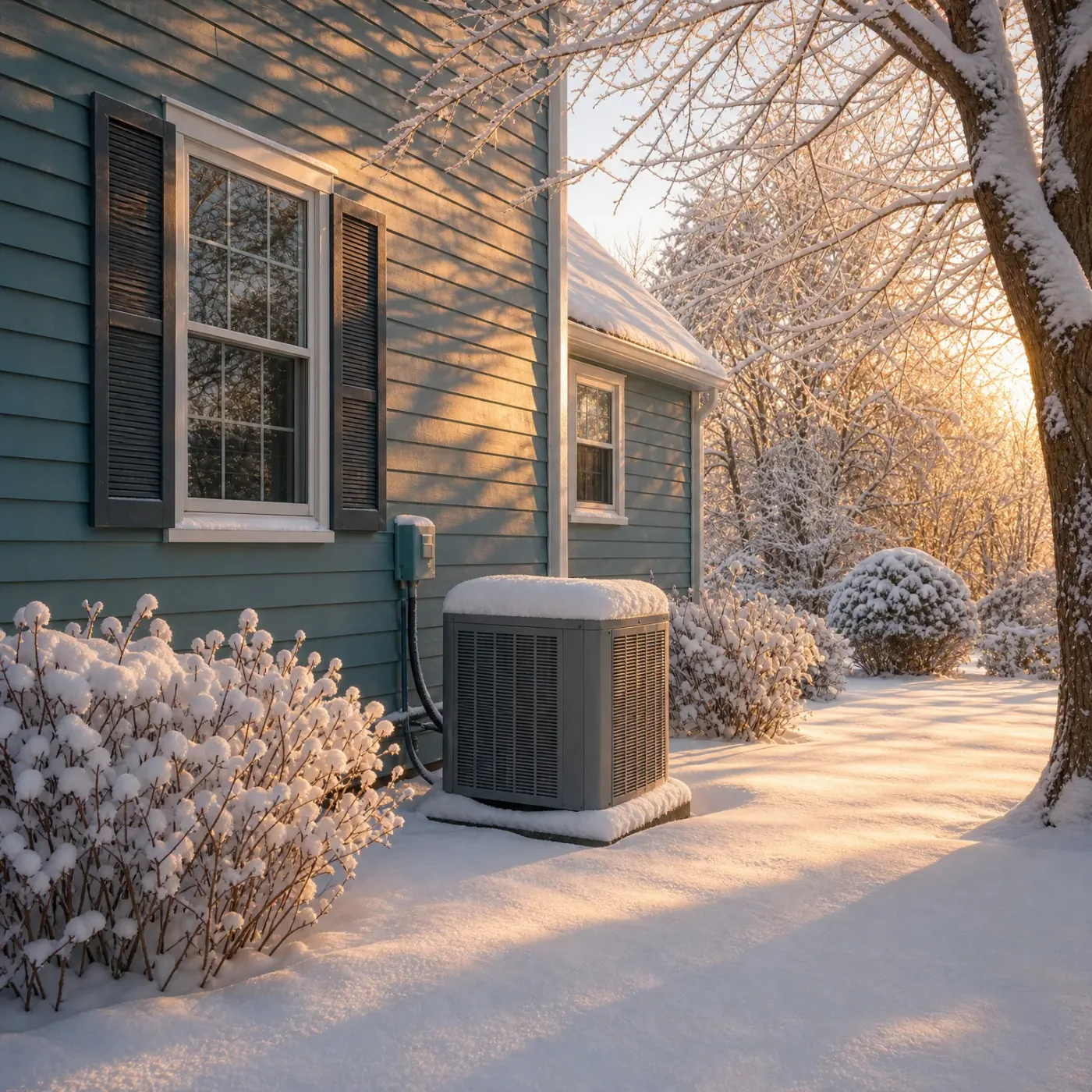
3 months of cooling, June through August
8 months of heat, October through May
Cooling needs in New Jersey aren't the same everywhere. Homes across the southern counties need about 14% more cooling over a year than homes up north. That gap shows up most clearly between Salem County, which needs about twice the cooling of Sussex County, where the need is lowest in the state.
It also shows up in how long the system runs. Middlesex County runs cooling about 4 months a year, longer than anywhere else in New Jersey. Sussex County runs it about 2. A system in Middlesex is doing twice the work over the course of a year that one in Sussex is doing.
If your home is in Salem, Middlesex or another southern county, the system is working harder and longer than a unit up north, so a check before the season starts matters more. If you're in Sussex or elsewhere in the north, the stretch is shorter, but a yearly check still catches what a short, hard summer run can wear down.
What does an AC in New Jersey face?
How hot do summer afternoons get?
84°Faverage afternoon high where people live
Alaska66°F
Arizona101°F
How many months does the cooling run?
3 monthsof cooling a year
Alaska0 months
Hawaii12 months
What does electricity cost?
19.34¢per kWh, what homes paid in 2024
North Dakota11.51¢
Hawaii42.86¢
How often do storms hit?
207severe weather events per county from 2015 to 2024
Alaska5
Wyoming1,057
How many homes lost power for a day or more?
11%of homes in 2024
Arizona7%
Maine54%
What you can check yourself
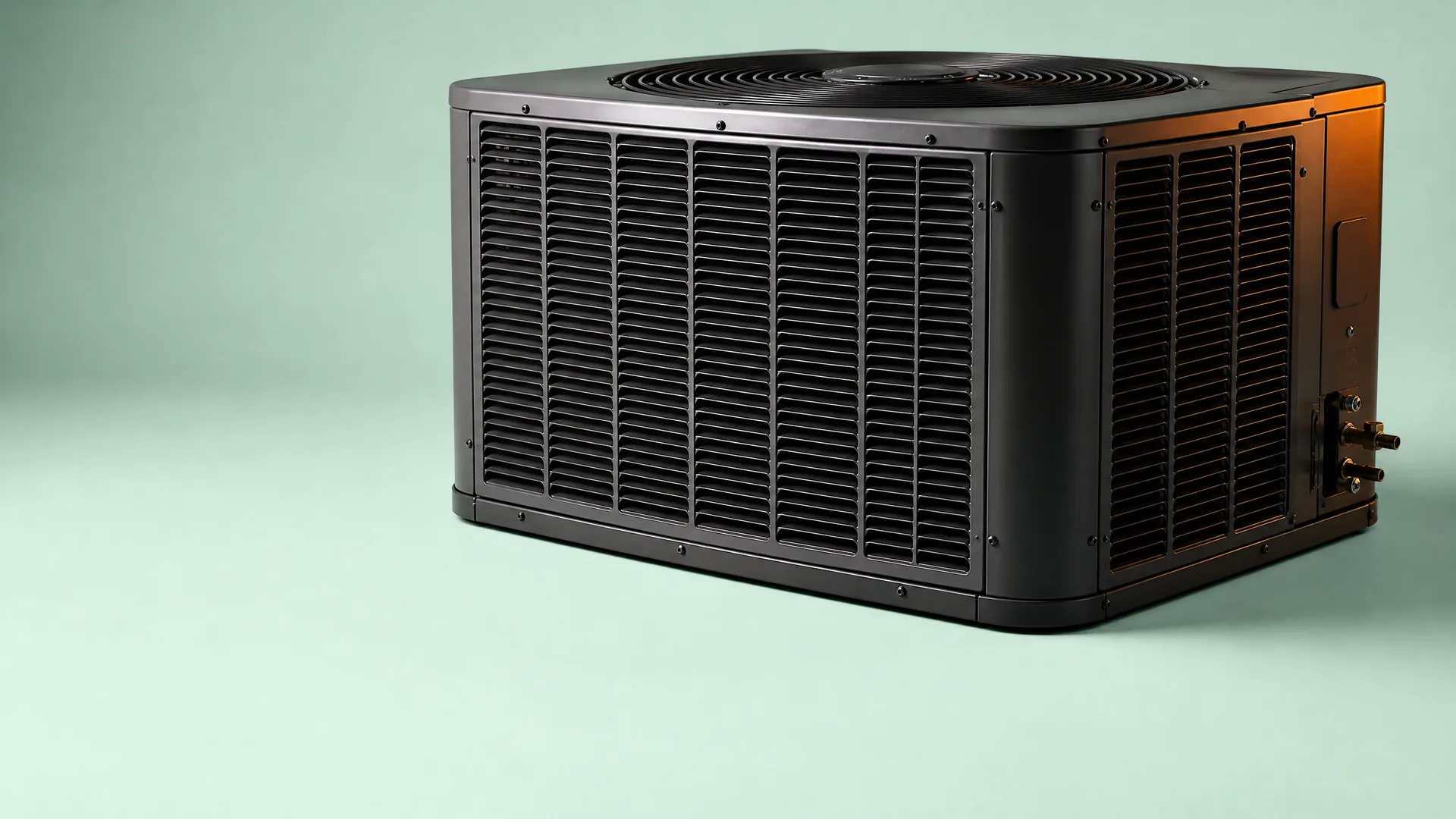
Between visits, the main thing worth doing is keeping airflow clear on both ends. Outside, keep the area around the condenser open, nothing stacked against it, no grass clippings or leaves packed into the fins. Inside, check the filter and swap it when it looks gray or clogged, since a blocked filter makes the whole system work harder and can let the coil behind it ice up. Look at the outdoor unit after a hard storm. If it's leaning, or the fan grille is bent, or you can see wiring exposed, that is worth a call before running it again. Keep an eye on what the vents are doing too. Weak airflow from one room, or air that is not as cold as it used to be, usually means something is starting to go even if the system still turns on. None of that replaces a tech opening the cabinet and checking the refrigerant charge or the capacitor, but catching the small stuff yourself is what keeps a small problem from turning into a dead system on the hottest day of the summer.
What a real tune-up covers
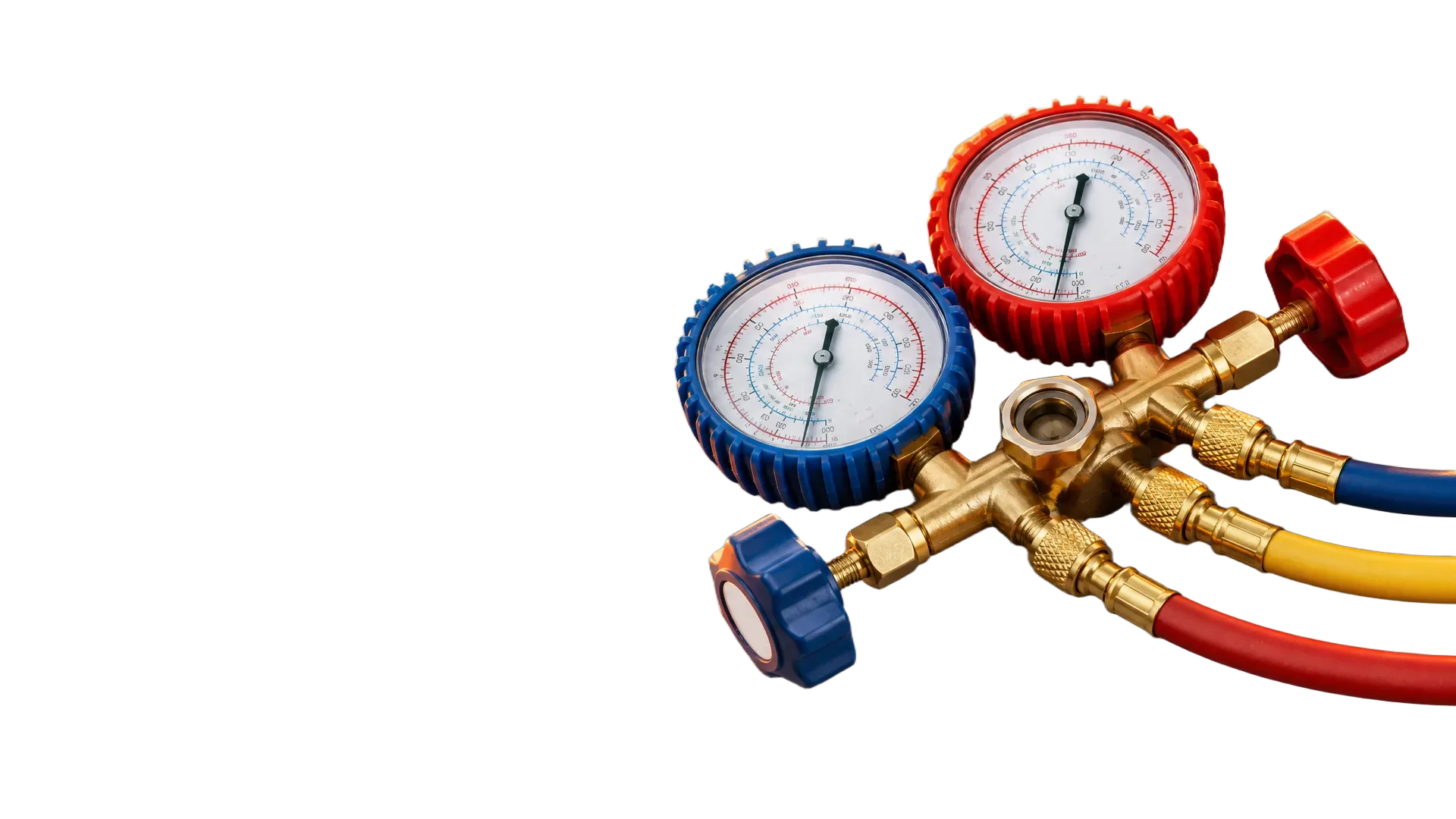
A quick visit usually means someone glances at the thermostat, checks that cold air is coming out, and packs up. That tells you the system works right now. It doesn't tell you what's about to fail. A thorough tune-up means the panel comes off. The tech checks refrigerant pressure against what the system is supposed to run at, not just whether it's cold. They test the capacitor under load, since a capacitor can test fine sitting still and still be too weak to start the compressor on a hot afternoon. They look at the contactor for pitting, check the condenser coil for dirt packed between the fins, and flush or clear the condensate drain so it isn't sitting there waiting to clog and back up into the house. They check amp draw on the compressor and fan motor against what those motors are rated for. A reading that's climbing year over year is usually the first sign of a motor on its way out, long before it actually quits. If a tech is in and out in a few minutes with no tools beyond a flashlight, that's a look, not a tune-up.
A house this old has a history nobody wrote down
Half the homes in New Jersey were built in 1970 or earlier, and most homes here are detached or attached single-family houses rather than units in a larger building. That matters because it means the AC usually belongs to that one house, not a system shared across a building and managed by someone else. A house that old has usually had work done on its AC that nobody wrote down, a capacitor swapped, a coil cleaned, maybe a whole unit replaced. A yearly check is how a tech finds out what the house itself can't tell you.
Electricity already costs more here than in most states, and a neglected AC drives that cost up further.
Tell us about the job
Takes about a minute. No obligation.
Answer a few questions about your home and a licensed New Jersey contractor who does AC tune-ups will reach out.