
AC Repair in New Jersey
Homes in New Jersey are older than in 43 of the other 49 states.
Tell us about the job
Takes about a minute. No obligation.
- 84°Fsummer afternoon high where people live
- 3 monthsof cooling, June through August
- 19.34¢ per kWhwhat homes paid for power in 2024 (kWh means kilowatt hours, the unit on an electric bill)
- 353hail events from 2015 to 2024
Summer here is three months long, nothing extreme. June through August, with wind storms passing through.
- Southern counties need about 14% more cooling than northern ones
- Summer afternoons average 84°F where people live
- Cooling runs June through August
- 353 hail events from 2015 to 2024
- 3,127 damaging wind events from 2015 to 2024
- 11% of homes lost power a day or more in 2024

An older state's housing
Half the houses in New Jersey went up in 1970 or earlier, and most of the state is single-family houses rather than apartments. If your AC came with the house rather than a later replacement, it's worth asking your contractor how much life is left in it before you put real money into a repair. An old condenser can usually be nursed along for one more summer. It's worth knowing whether this is that summer.
Electricity in New Jersey runs 19.34 cents per kilowatthour, more than in 39 other states. A broken AC doesn't just run less well, it often runs longer to make up for it, and every hour of that costs more here than almost anywhere else.
New Jersey homes that use air conditioning put an average of 6.0 million Btu (British thermal units, a measure of heat) of electricity into it in a year. That's what a system in decent shape draws. A failing capacitor, a dirty coil, a low charge, any of these can push that number up quietly, long before the AC quits outright.
A short season means problems show up early
AC here runs three months a year, June through August, with May as the lead-up. That's a short season, and June is the first real test the system has had since last summer. Whatever was already marginal, a weak capacitor, a coil that needed cleaning, a refrigerant charge running low, is still there when the compressor has to work hard again. If the AC is going to act up, it tends to happen early rather than mid-season. Getting it looked at in May, before the load hits, is the surest way to catch it before it fails in the first weeks of summer.
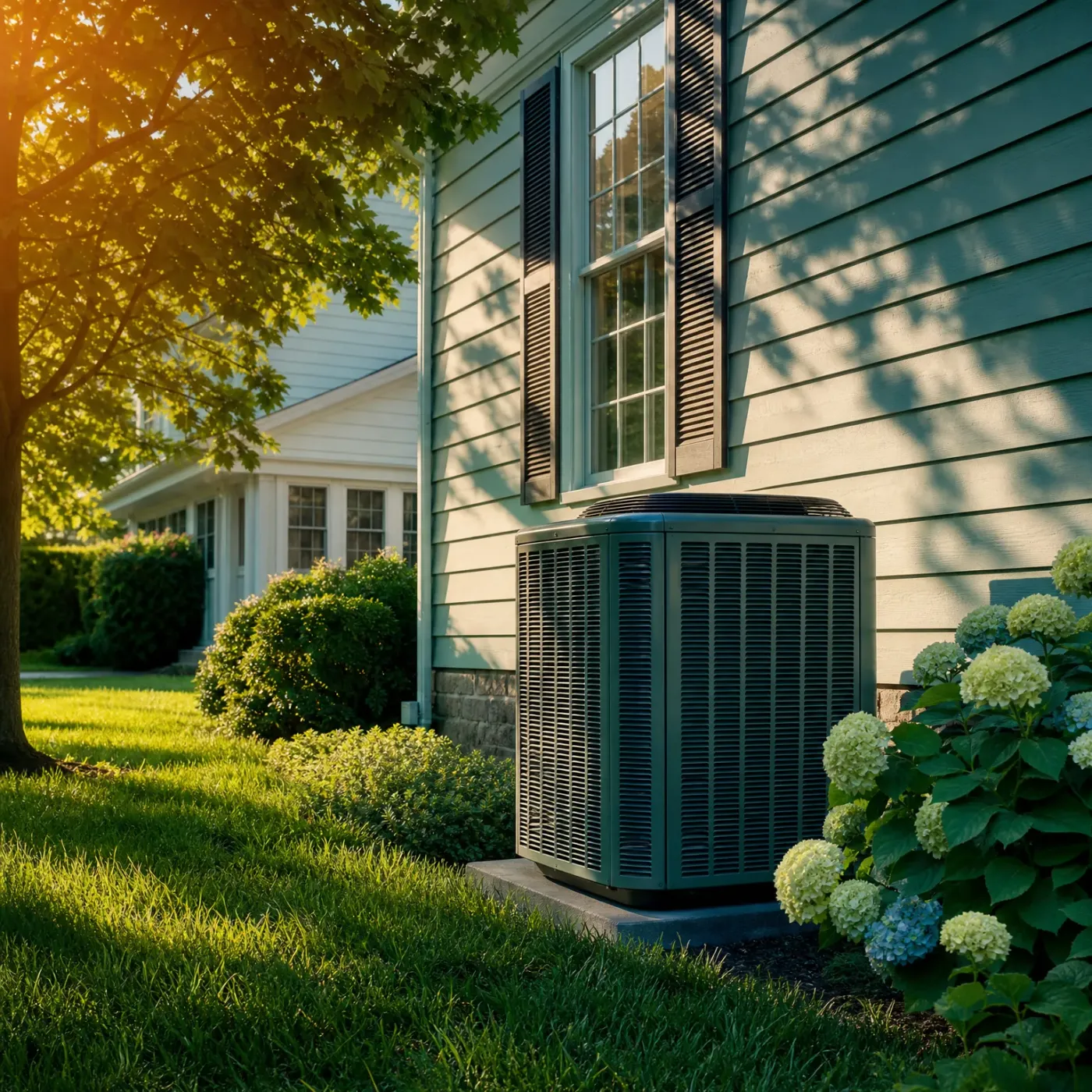
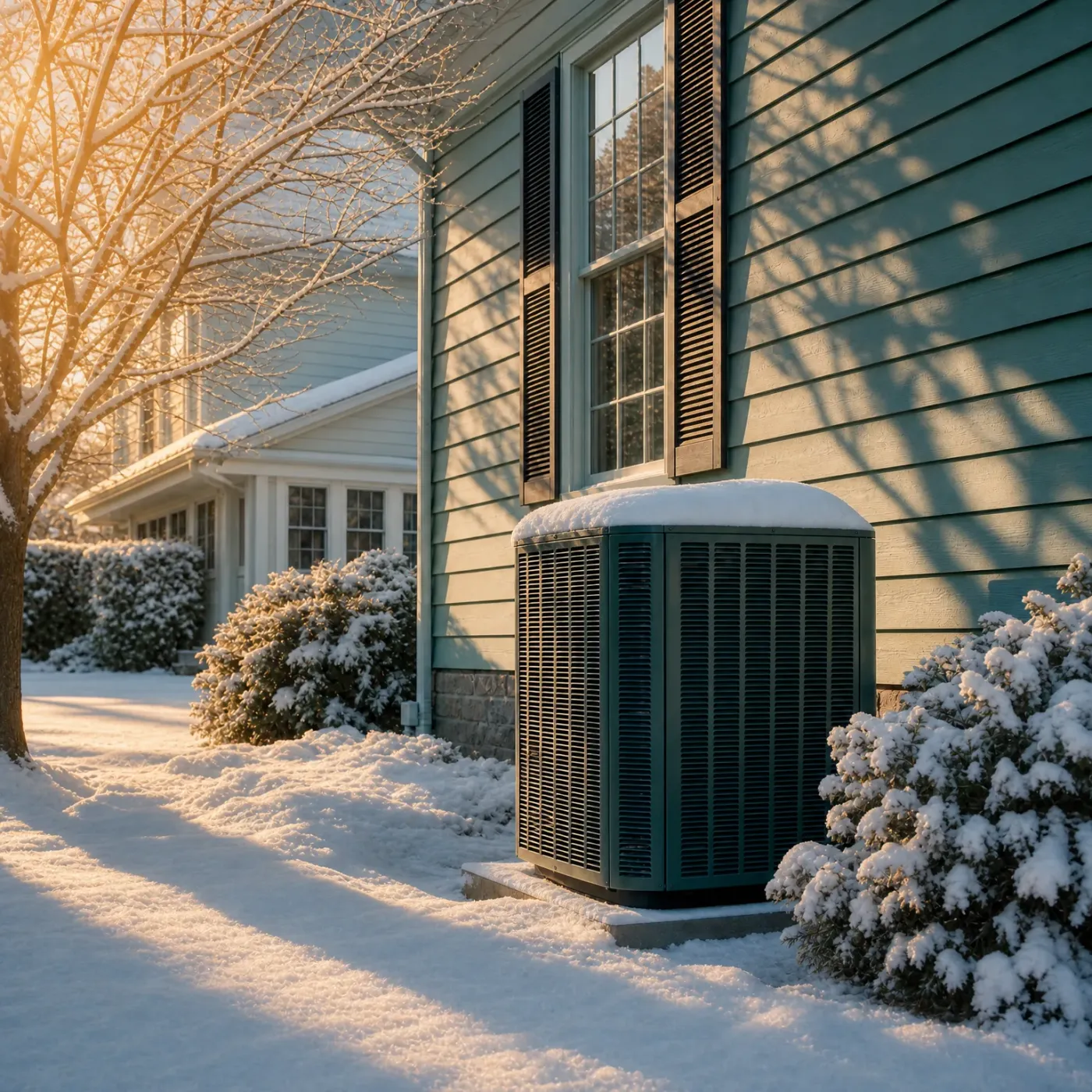
3 months of cooling, June through August
8 months of heat, October through May
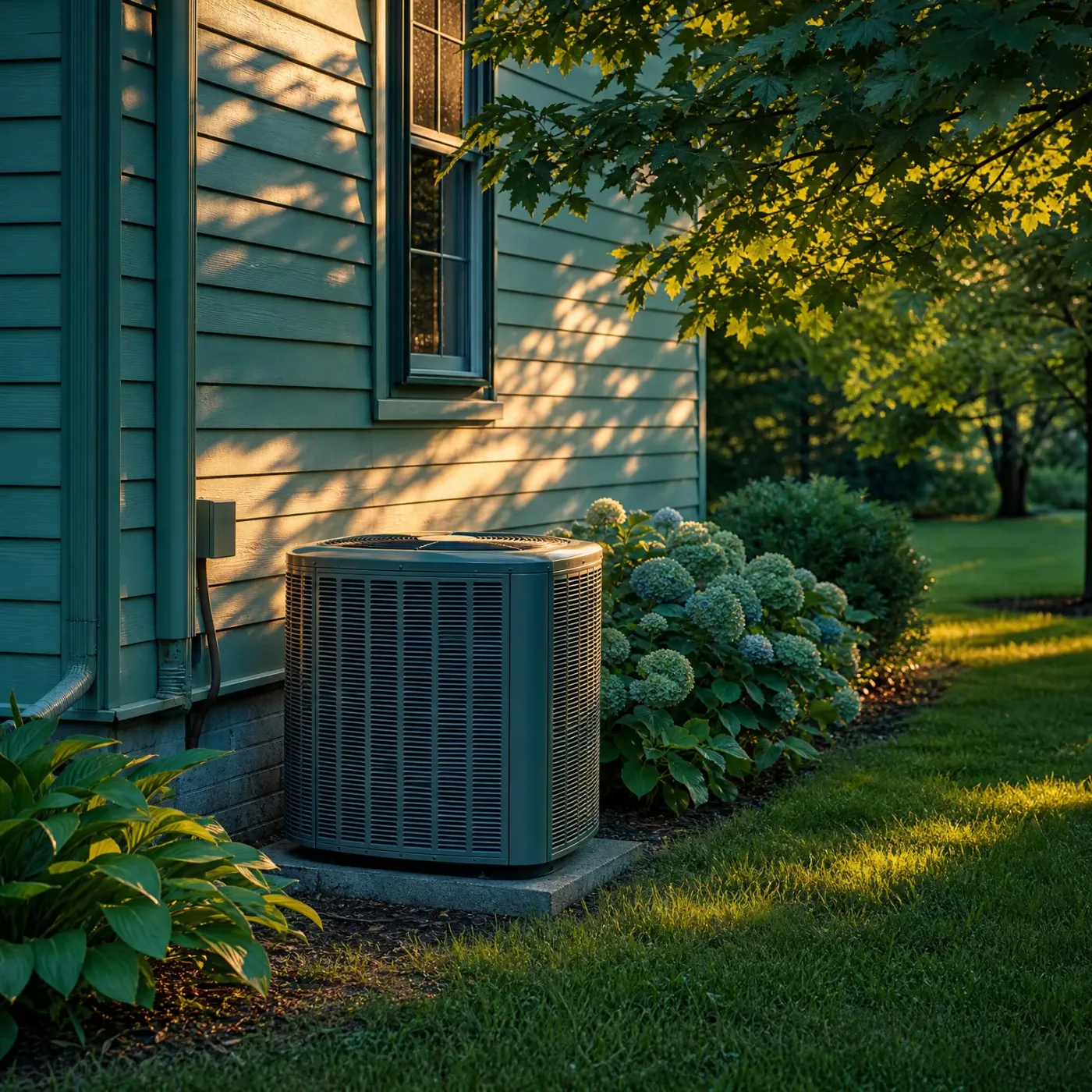
Cooling need isn't the same across New Jersey. Homes in the southern counties need about 14% more cooling over a year than homes in the northern counties, and that gap shows up in how hard the system has to work each summer.
The widest split in the state is between Salem County and Sussex County. Salem needs about twice the cooling Sussex does over a year, and Sussex sits at the low end for the whole state.
Run time follows the same pattern. Middlesex County runs cooling about 4 months a year, the longest stretch in New Jersey. Sussex County runs it about 2, the shortest. A system in Middlesex is getting worked for twice as many months as one in Sussex, which means more hours on the compressor and more cycles on parts like the capacitor and the contactor.
Wind is a statewide factor more than a regional one. Damaging wind has hit New Jersey over three thousand times in the past decade, and tropical storms or hurricanes have passed through dozens of times in that span. That kind of weather can knock debris into a condenser or interrupt power outside, regardless of which county the unit sits in.
None of this makes New Jersey unusually hard on an AC. The state runs cooling fewer months than 23 other states, and its summer afternoons are hotter than 26 others. But if the home is in Salem, Cumberland, or elsewhere in the southern counties, the unit has likely put in more hours than one in Sussex or the northern tier, and that history is worth mentioning when a contractor starts narrowing down what failed.
What does an AC in New Jersey face?
How hot do summer afternoons get?
84°Faverage afternoon high where people live
Alaska66°F
Arizona101°F
How many months does the cooling run?
3 monthsof cooling a year
Alaska0 months
Hawaii12 months
What does electricity cost?
19.34¢per kWh, what homes paid in 2024
North Dakota11.51¢
Hawaii42.86¢
How often do storms hit?
207severe weather events per county from 2015 to 2024
Alaska5
Wyoming1,057
How many homes lost power for a day or more?
11%of homes in 2024
Arizona7%
Maine54%
A repair that waits costs more here than most places
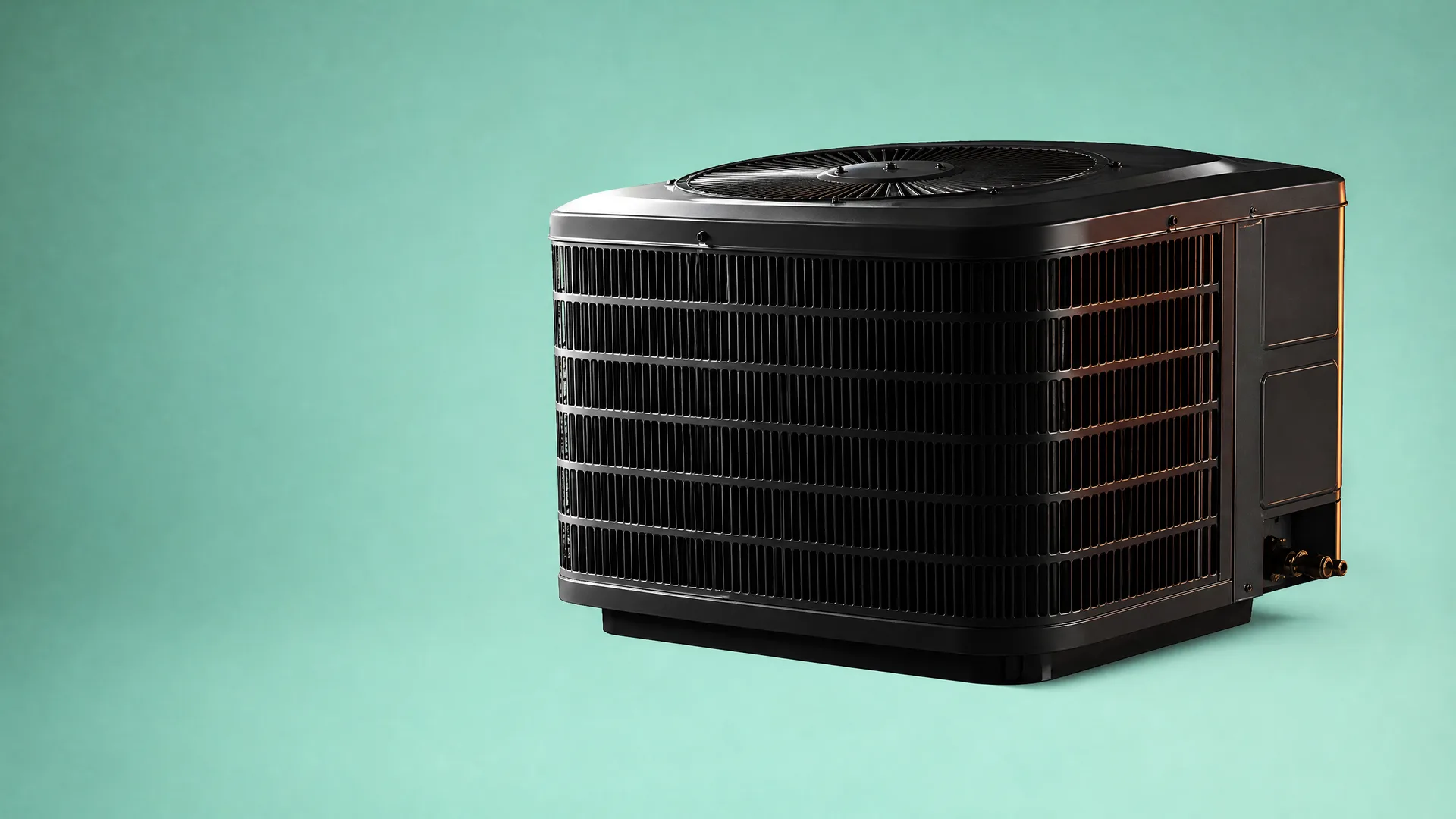
A condenser that's low on charge or dragging a weak capacitor doesn't just cool worse. It pulls more power doing it. Electricity here runs 19.34 cents per kilowatt hour, more than in 39 other states, so a unit running long hours to cover for a problem costs more every week it sits unfixed. The fix itself is usually ordinary. A capacitor, a contactor, a coil that needs cleaning, a charge that needs topping off. Finding which one it is matters more than anything else about this machine.
What to watch for before it quits
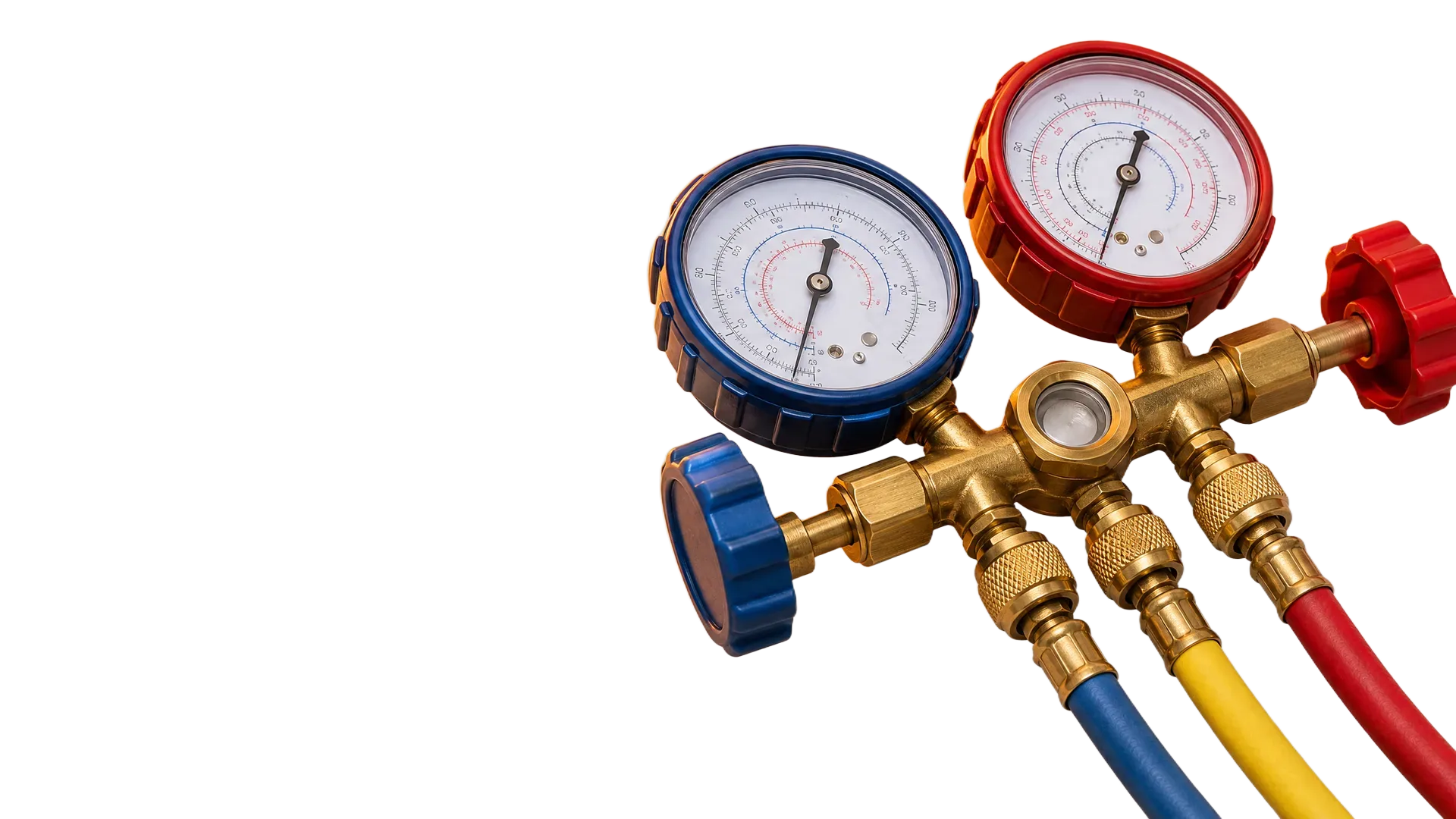
Most AC failures give some warning before the system quits outright. Warm air out of the vents when the thermostat is set low usually means the compressor isn't running, or the refrigerant charge is low. Either way, it's not fixing itself. Short cycling, where the unit kicks on and off instead of running a full cycle, puts extra wear on the compressor every time it restarts, and it's often a failing capacitor behind it. A contactor with pitted contacts will eventually strand the system on a hot afternoon. Ice on the coil or the lines means airflow is restricted somewhere, a dirty filter or a blocked return or a low charge, and running it iced up only risks the compressor further. An outdoor unit that's loud in a new way, grinding, squealing, a hard knock on startup, usually means a motor bearing or a fan blade, not something that quiets down on its own. Water pooling near the indoor unit means the condensate line is clogged, and that backup can do real damage before the AC itself ever stops cooling. None of these fix themselves by waiting. Some get worse slowly. Some fail without any more warning than what's already showing up.
If the AC is as old as the house
Half the homes in New Jersey went up in 1970 or earlier, and most of the state is single-family houses rather than apartments or condos. An AC that old has likely been repaired more than once already, and parts that were replaced years ago are themselves getting old. That doesn't mean the next repair isn't worth making. It means it's worth asking the contractor, while they're looking at what failed, whether the unit is a good candidate for another few years or whether this repair is just the first of several still to come.
Whatever's wrong with the AC, it's a known problem with a known fix, not something strange about New Jersey.
Tell us about the job
Takes about a minute. No obligation.
Fill out the form once and a licensed New Jersey contractor calls to look at it.