A row of gray-sided houses with porches and gabled roofs behind a white picket fence, with mown grass in the foreground and leafy tree branches overhead.

AC Installation in Point Pleasant, NJ

Tell us about the job

Takes about a minute. No obligation.

New system or replacementCentral ACOcean County, NJ
Step 1 of 2

What ZIP code is the job in?

Electricity here runs 19.34 cents a kilowatt-hour

New Jersey's electric rates sit above the national average, and an air conditioner is one of the biggest draws on a home's power during summer. What a system costs to run depends on how efficient it is, since every kilowatt-hour it uses gets billed at that rate.


Efficiency matters more on an installation

Putting in a new system is the one chance to pick the efficiency rating, not just the size. A higher SEER2 unit costs less to run every month it operates, and that difference keeps showing up on the bill for as long as the system is in the house.

4 months
June through September, your air conditioner is on duty
84°F
the average summer afternoon it cools against
29 hail events
in ten years, and hail bends the fins on outdoor coils
13.4 SEER2
the federal minimum any new unit must meet
Isometric line illustration of a cutaway single-story house showing interior rooms, ceiling ductwork and an air handler, connected to an outdoor condenser unit on a pad beside the building.
Your air conditioner works hardest from June through August.

NOAA nClimDiv, 1991–2020 normals

Gas heats 78.3% of homes in Ocean County, electric is a distant second at 15.2%.

A gas furnace is the system most contractors here install and service, which matters once you're adding central air alongside it.

Four months of cooling start in June. May is for putting the system in.

Cooling runs June through September
Summer afternoons average 84°F
278 damaging wind events from 2015 to 2024

Point Pleasant falls under climate zone 4A, which asks real work of both sides of the system, heat in the winter and humidity in the summer. Any new split-system air conditioner has to meet a federal minimum of 13.4 SEER2 if it was built after January 1, 2023. That's a floor, not a target, so it rules out the lower-efficiency units some contractors still have sitting in a warehouse. It narrows what goes into the quote you get, which is worth knowing before you start comparing them.

A standard system is the right system here

Ocean County saw 354 severe weather events between 2015 and 2024, most of it wind and winter storms. None of that changes what to put in for a straightforward AC installation. The right system here is a standard size that fits the house and an efficiency rating that meets the federal floor, same as it would be anywhere in this climate zone.

Find a contractor
An outdoor residential air conditioning condenser unit mounted on a concrete pad, surrounded by gravel with a blue sky in the background.

A normal summer's work

Four months of cooling a year, June through September, with afternoon highs averaging 84°F across the peak of summer. That's a normal load for a system sized right. Nothing about running day into day through a Point Pleasant summer asks for anything bigger or more efficient than what this climate zone already calls for.

Ask what size it's replacing with, not matching

A contractor should size your system off a load calculation, room sizes, windows, insulation, not just swap in the same tonnage that's coming out. An oversized unit cools the air fast and shuts off before it pulls the humidity down, so the house feels clammy even at the right temperature. Ask to see the calculation, not just hear the number.

Ask what happens to the ductwork

A new system moves air differently than the one it's replacing, and ducts sized for an old unit can choke a new one or leave rooms uneven. Ask whether anyone is checking duct size and sealing as part of the job, not just hanging a new condenser off the old lines. That inspection belongs in the quote, not added on after something doesn't cool right.

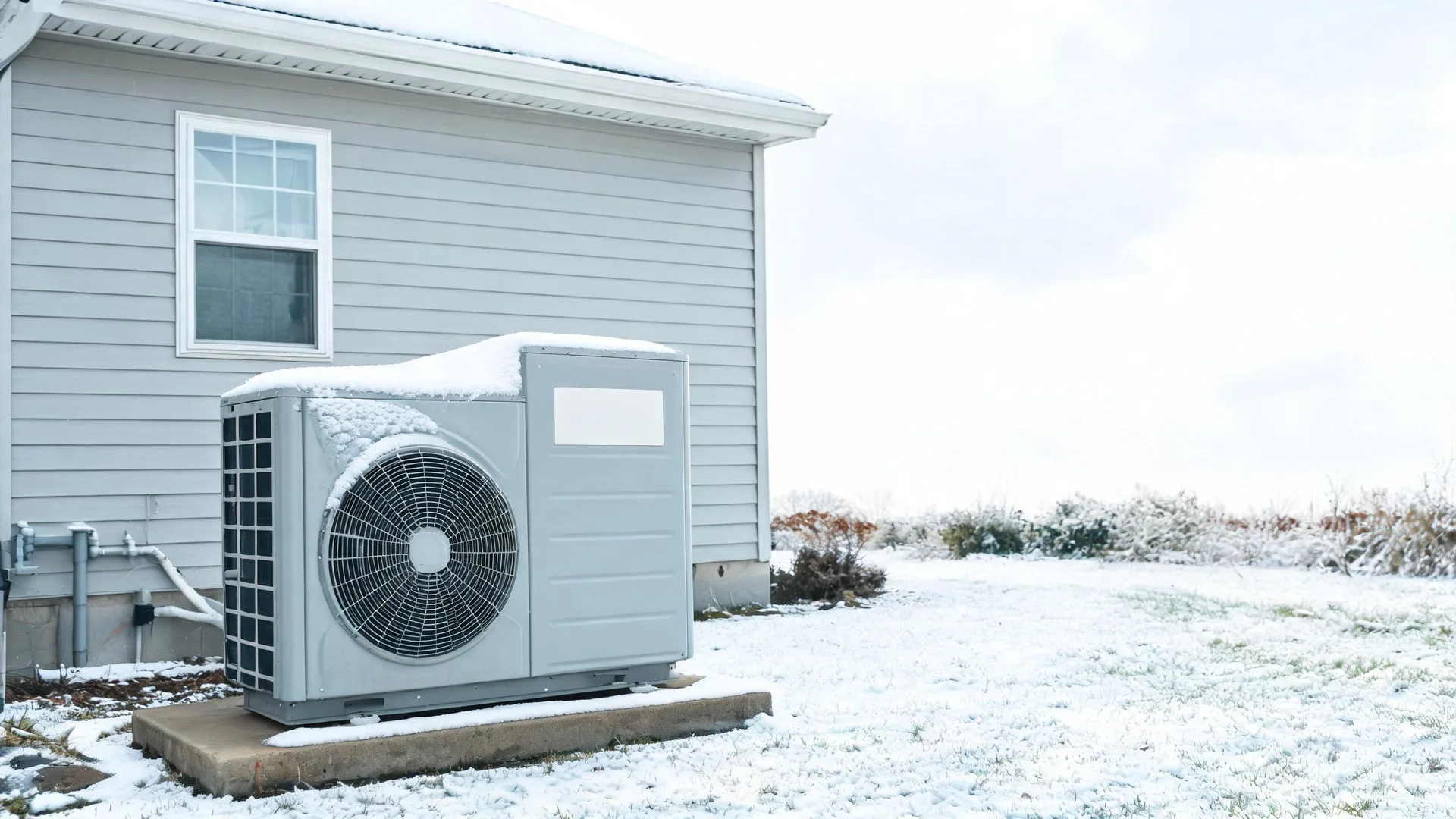
An outdoor air conditioning condenser unit installed beside the exterior wall of a blue vinyl-sided house at sunset.

A higher-efficiency unit would save about $40 a year to run in Ocean County compared with a new unit at the federal minimum.

  • A higher-efficiency unit$280 a year
  • A new unit at the federal minimum, 13.4 SEER2$320 a year

Estimates for a typical Ocean County home, from EIA household energy data, New Jersey fuel prices and NOAA climate normals. Your home will differ.

Installation day starts outside, with the old condenser disconnected and hauled out before the new one goes in its place. Indoors, the coil above the furnace gets swapped too, since a new condenser is matched to a new coil, not the one that came with the old system. The refrigerant lines usually get replaced or flushed, because old oil and debris left in the lines can damage new equipment. Once everything's connected, the system gets charged with refrigerant to the exact amount the manufacturer specifies, then run through a check for proper airflow and a safe electrical connection. A thermostat swap often happens the same day if the new system needs one to work right. None of this is quick, and a contractor rushing through it is worth a second look.