





Aerial view of a gray central air conditioning condenser unit on a concrete pad next to a house with vinyl siding.

AC Installation in Trenton, NJ

Tell us about the job

Takes about a minute. No obligation.

New system or replacementCentral ACMercer County, NJ
Step 1 of 2

What ZIP code is the job in?

Electricity in New Jersey ran 19.34 cents per kilowatthour in 2024, well above what most of the country pays. An air conditioner that's a size too big or just getting old will run that meter hard all summer. When you install a new system, the SEER2 rating on the unit tells you how much cooling you get for that electricity, and it's worth paying attention to before you buy, not after the first bill shows up. A contractor sizing the system correctly for your house matters just as much as the rating on the box.

4 months
June through September, your air conditioner is on duty
85°F
the average summer afternoon it cools against
23 hail events
in ten years, and hail bends the fins on outdoor coils
13.4 SEER2
the federal minimum any new unit must meet
Isometric line illustration of a cutaway single-story house showing interior rooms, ducted air handler, ceiling ductwork, and an outdoor condenser unit connected by refrigerant lines.
Your air conditioner works hardest from June through August.

NOAA nClimDiv, 1991–2020 normals

Trenton homes start running their AC in June.

May is the month to get a new system in, before the first hot day puts it straight to work.

Half of Trenton's houses went up before central air was common

Half the homes here were built by 1969
Cooling runs June through September
Summer afternoons average 85°F

Mercer County falls under zone 5A, a cool climate where the bigger job is heating, not cooling, but the humidity here still puts a real load on an AC in summer. Any split-system central air conditioner under 45,000 Btu/h sold new has to meet a federal floor of 13.4 SEER2. That rule applies whether you're replacing a unit that finally quit or putting central air into a house that never had it. It sets the floor, not the ceiling. A contractor can still offer you something rated higher, and in a county where cooling already runs against the grain of the climate, that extra efficiency is what keeps the electric bill from carrying the difference.

A standard system, sized right, is all this job calls for

June through September is the stretch that matters here, four months of summer with afternoons averaging 85. That's a normal cooling load, nothing a standard system can't handle well. A correctly sized unit at the federal efficiency floor or a bit above it will do the job without surprises.

Find a contractor
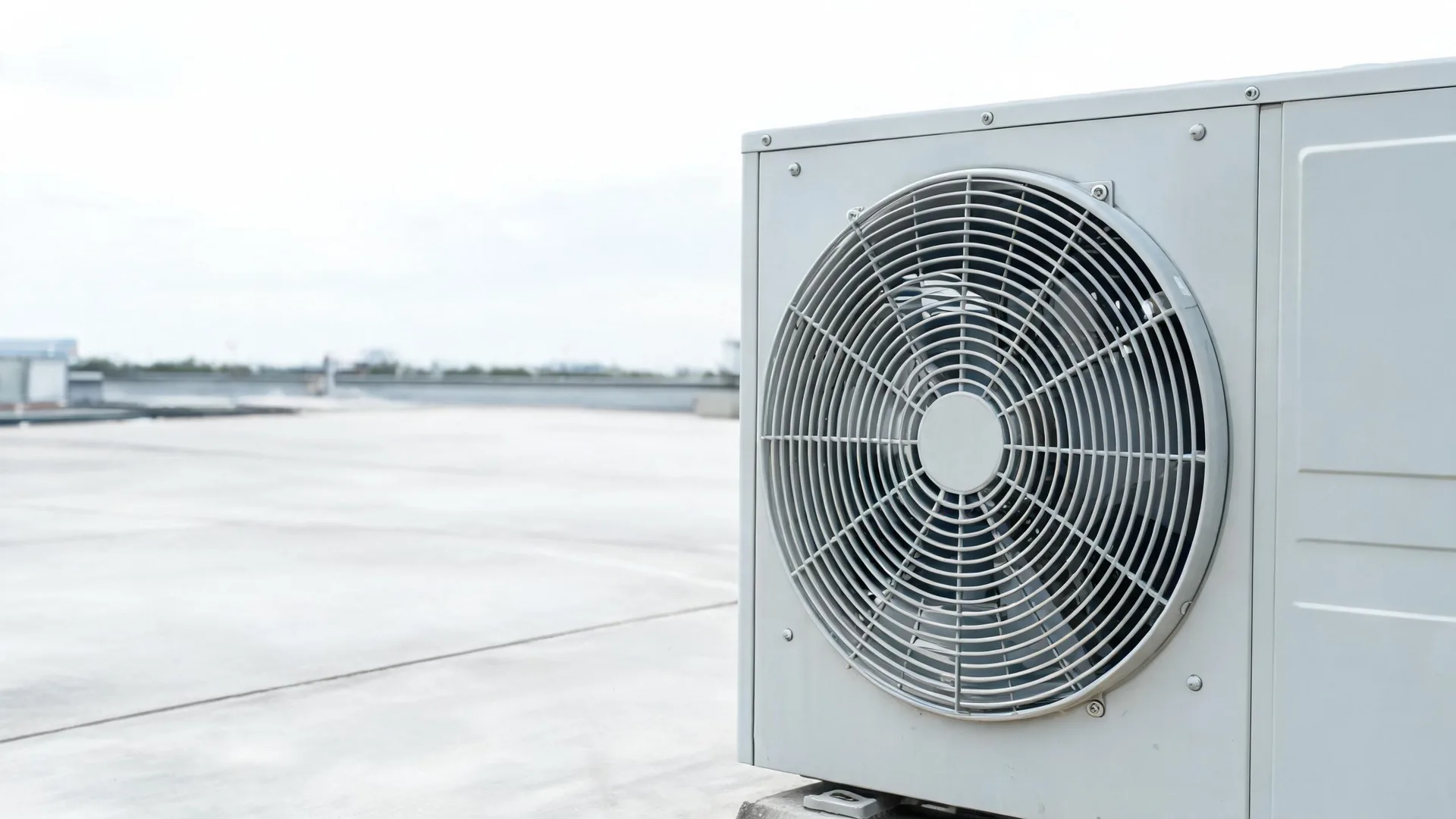
An outdoor air conditioning condenser unit mounted on a concrete pad surrounded by gravel, photographed against a partly cloudy blue sky.

What's already in the house matters as much as what goes in

If your house is one of the older ones, ductwork built for a smaller or different system is the thing to ask about before install day. A new unit sized for your house won't perform the way it should pushing air through ducts sized for something else. Worth having the contractor check the ducts while they're there, not after.

The old unit gets hauled away, not left behind

A contractor disconnects the old condenser and air handler, recovers the refrigerant into a tank instead of venting it, and takes the equipment with them. Refrigerant isn't supposed to be released into the air, so that recovery step has to happen before anything gets unbolted and carried out.

The new system doesn't reuse the old refrigerant lines without a check

Old line sets were sized and charged for the equipment they came with. A contractor will tell you whether the existing lines can be flushed and reused or whether they need to come out with the rest. Running new equipment on the wrong line set is how a system ends up short on charge or restricted before it ever gets going.

An outdoor air conditioning condenser unit on a concrete pad next to the gray vinyl siding of a residential home.

A higher-efficiency unit would save about $40 a year to run in Mercer County compared with a new unit at the federal minimum.

  • A higher-efficiency unit$280 a year
  • A new unit at the federal minimum, 13.4 SEER2$320 a year

Estimates for a typical Mercer County home, from EIA household energy data, New Jersey fuel prices and NOAA climate normals. Your home will differ.

Install day starts with the old equipment coming out and ends with the new system running a test cycle before the crew leaves. In between, a contractor sets the new outdoor unit on its pad, connects or replaces the line set, and mounts or swaps the indoor coil above the furnace. Once everything's connected, the system gets charged with refrigerant to the exact weight the manufacturer specifies, not just topped off by feel. That charge gets checked against the line length and the outdoor temperature that day, because both affect the reading. Then the contractor runs the system, checks the temperature drop across the coil, and listens for anything that shouldn't be there before calling it done. A thermostat swap or a control board that needs programming can stretch the day further, so it's worth asking upfront what the job includes.