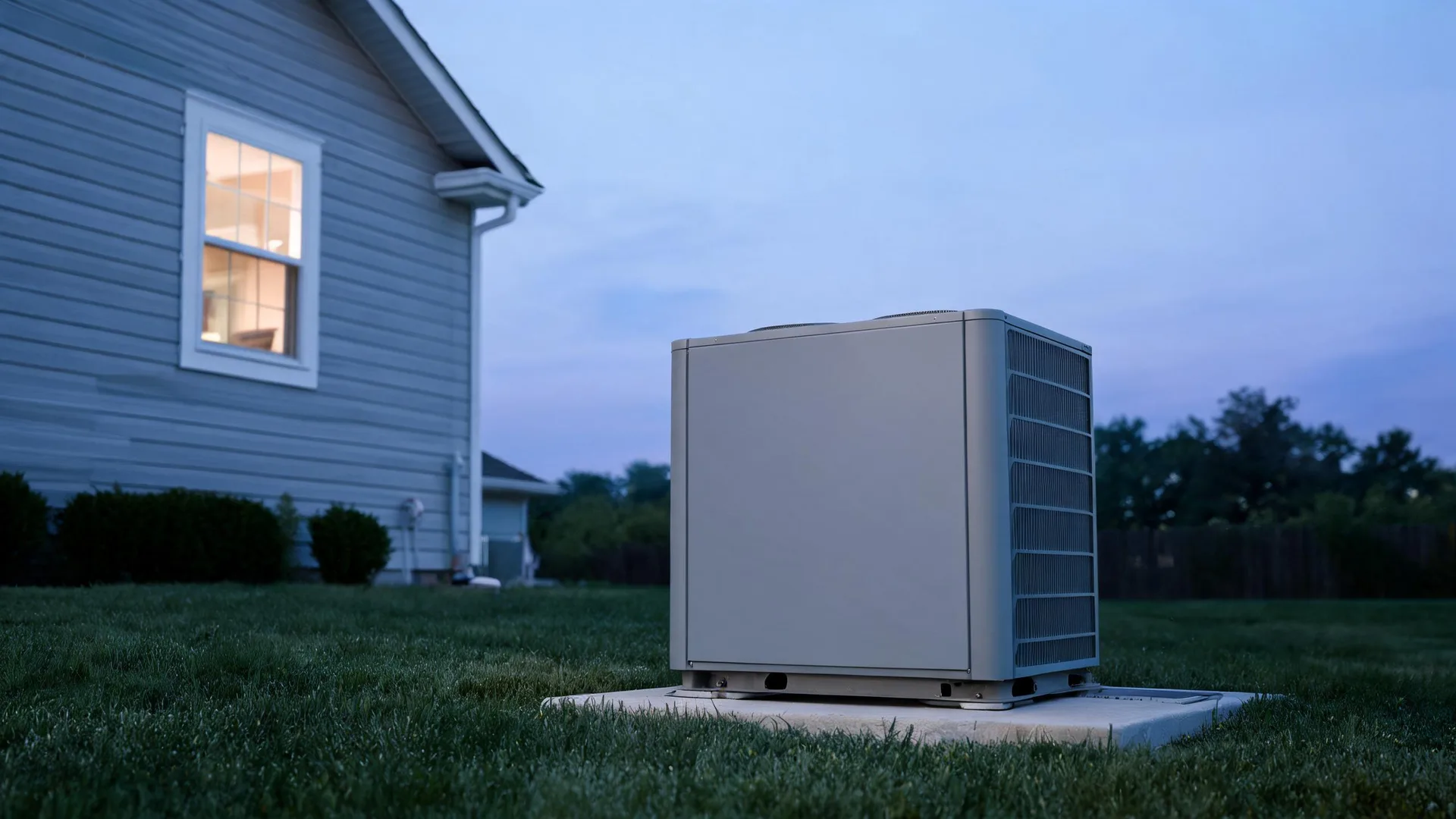
Electricity here runs 19.34 cents a kilowatthour
New Jersey's electric rates sit above the national average. An air conditioner that runs inefficiently turns that rate into a bigger number on every summer bill.

Takes about a minute. No obligation.
New Jersey's electric rates sit above the national average. An air conditioner that runs inefficiently turns that rate into a bigger number on every summer bill.
Two units that cool the same house can pull very different amounts of power doing it. In a state paying this much per kilowatthour, that difference shows up every month, not just on paper.
NOAA nClimDiv, 1991–2020 normals
Flemington gets about three months of real cooling weather, June through August, with afternoon highs around 83.
A system here is not working hard most of the year, so pick one built to last rather than one built for a harder climate.



May is the month to get this done. Cooling starts in June and runs through August, and a new system takes time to size, order and put in right. Wait until the first hot week and you're choosing from whatever is on the truck, installed in a rush between calls. Do it in May and the contractor can size the unit to your house instead of to the calendar.
This county sees its share of wind and winter storms, enough that the power goes out sometimes. None of that changes what the install itself calls for. A standard size and efficiency rating cools this house fine, matched to a unit built to last rather than one built for a harder climate. Get the sizing right and the install right, and that covers it.
Find a contractorJune through August, afternoon highs around 83, then the system sits idle the rest of the year. A unit built to last stands up fine to that schedule. When something does go wrong down the road, it is more likely a part that aged out than one that got run into the ground.
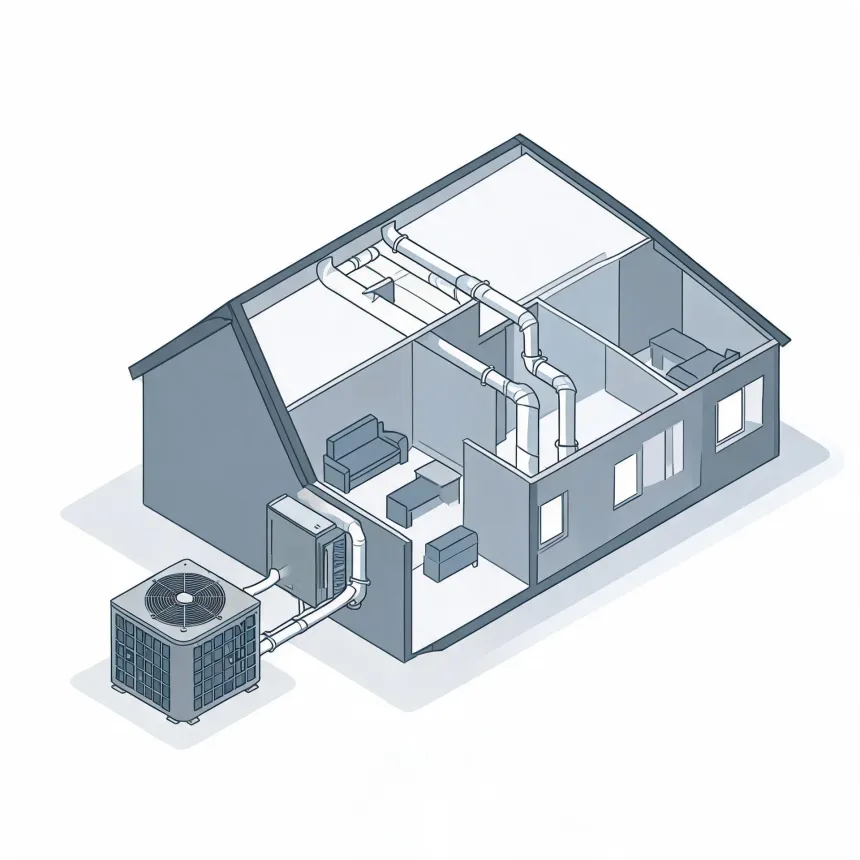
A contractor has to work out how much heat your house gains in a day before quoting a unit. That means measuring the square footage, checking the windows and insulation, and looking at how the ductwork is laid out. A bigger house or one with a trickier duct run costs more to get right, and skipping that step to save time usually means paying for it later in comfort or repairs.
If the existing ducts are in good shape and sized right for the new unit, the install is mostly swapping equipment. If they are undersized, leaky, or routed in a way that no longer matches the new system, a contractor has to open walls or ceilings to fix them. That work is harder to see coming than the price of the unit itself, and it is usually what separates a straightforward install from a long one.
Estimates for a typical Hunterdon County home, from EIA household energy data, New Jersey fuel prices and NOAA climate normals. Your home will differ.
Whoever installs the new unit should haul the old one away as part of the job. A central air system holds refrigerant, and that refrigerant has to be recovered by someone licensed to do it rather than vented or dumped with the scrap metal. The compressor and coil are worth salvaging too, so most contractors fold removal into the install instead of leaving it for the homeowner to deal with separately. If the old system is on a slab or pad outside, ask whether that gets cleared or if the new unit just sits on the existing pad. Worth confirming removal is included before the work starts, not after the old unit is sitting in the driveway.