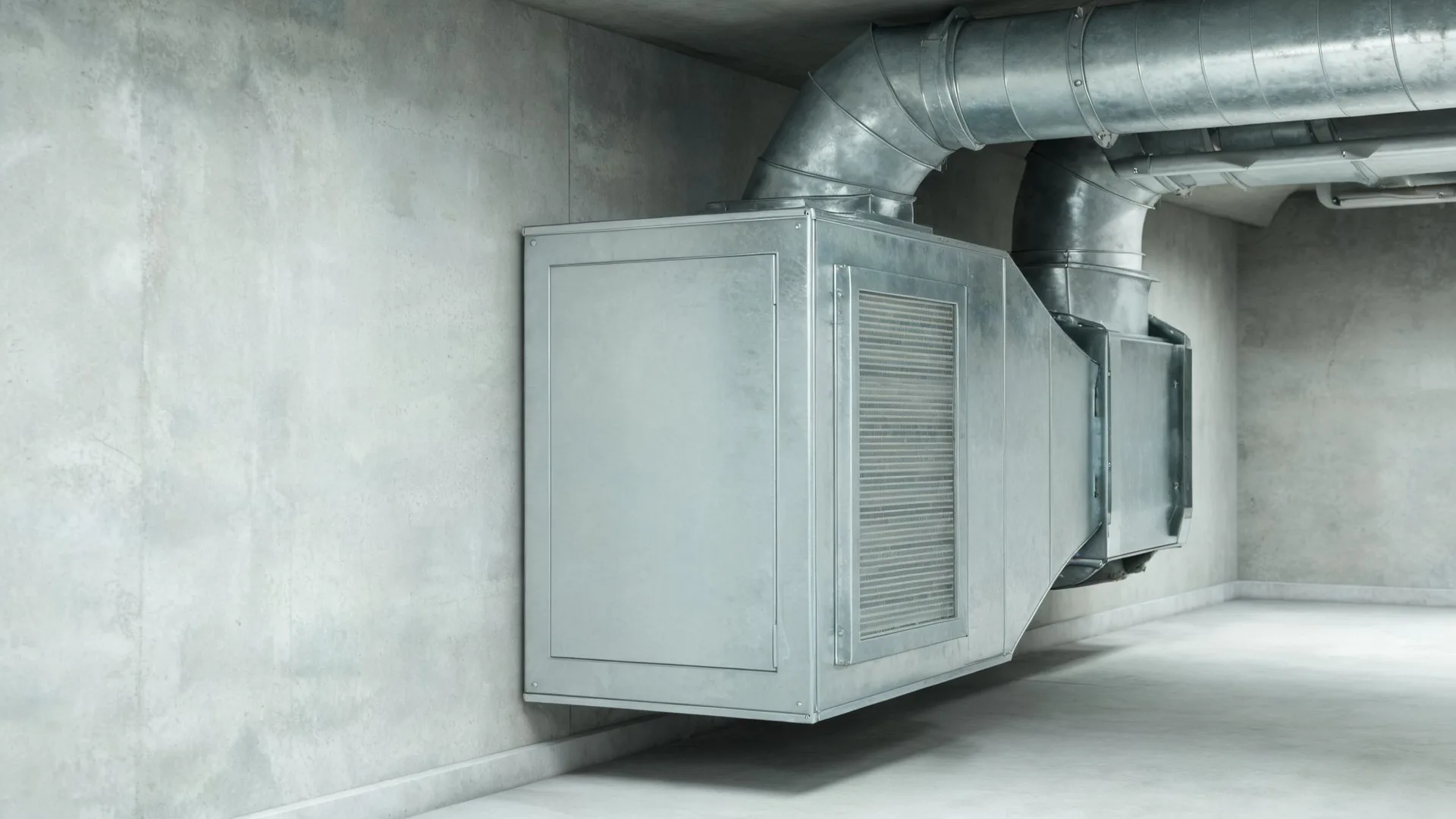
The old unit gets hauled away
Whoever installs the new condenser takes the old one with them. The refrigerant inside has to be recovered first, not just vented, so ask whether that's part of the job before the old unit leaves the pad.
Takes about a minute. No obligation.
Oil heats more homes in Sussex County than anything else, close to half. That's the furnace, not the air conditioner, but it tells you something about how these houses are set up. A lot of them have central air added onto an oil furnace, running off the same ducts, with the AC as a separate outdoor unit tied into that ductwork. If your home already has ducts in place, installing central air usually means matching a new condenser and coil to what's already there rather than building a duct system from scratch. Gas and electric homes are more common in newer construction, but across the county they're still the minority.

NOAA nClimDiv, 1991–2020 normals
A condenser matched to the wrong coil will never run the way the specs sheet says it should.
Ask what coil is going on the line, not just what size condenser, since a mismatched pair runs harder and wears sooner.




Nothing about the weather here pushes you toward a bigger system or a higher tier of equipment. A standard size, matched correctly to your ductwork, handles the cooling load in Sussex County without strain. Hail and tornadoes are rare here, and when storms do hit, it's more often wind or winter snow and ice than anything that would change how a contractor sizes or specs an air conditioner. Where the weather does matter is the power behind the unit. Damaging wind has hit this county 160 times over the past decade, and statewide, about 11% of households lost power for a full day or more in 2024. A standard condenser and coil will do the job here. What's worth asking about is a surge protector or a plan for outages, not a bigger unit.
Any new air conditioner installed here has to meet 13.4 SEER2 at minimum, the federal rule for this size of equipment. Sussex County falls in climate zone 5A, a cool zone where the furnace carries more of the load than the AC. That doesn't lower the bar for the air conditioner. A federal tax credit is available for qualifying high-efficiency equipment, worth asking about when you're comparing what to install.
Find a contractor
Half the homes in Sussex County were built in 1973 or earlier. A house that age wasn't built with central air in mind, even if ducts got added later for an oil furnace. When you replace the system, the new condenser and coil have to match the ductwork already in the walls, not the other way around. That's worth going over with whoever's doing the install, especially if the ducts themselves are original to the house.
Whoever installs the new condenser takes the old one with them. The refrigerant inside has to be recovered first, not just vented, so ask whether that's part of the job before the old unit leaves the pad.
A new condenser gets matched to a new coil, so the old coil sitting in the plenum comes out along with the old outdoor unit. Leaving the old coil in place means the new condenser is running against a part it was never matched to.
Estimates for a typical Sussex County home, from EIA household energy data, New Jersey fuel prices and NOAA climate normals. Your home will differ.
Installation day starts with the old equipment coming out, not the new going in. The condenser gets disconnected and the coil pulled from the plenum before anyone touches the new gear. Then the line set goes in, the new coil gets set in place, the condenser sits on the pad, and the electrical and refrigerant connections get made. After that comes the part that decides whether the system runs right for years. The charge gets weighed in according to the line length. Airflow gets checked against what the coil and ductwork can actually move. A system that gets powered on without that check might cool the house on day one and still wear out early. Expect the contractor to run the system for a while before calling it done, checking temperatures at the vents and pressures at the lines, not just listening for the compressor to kick on.