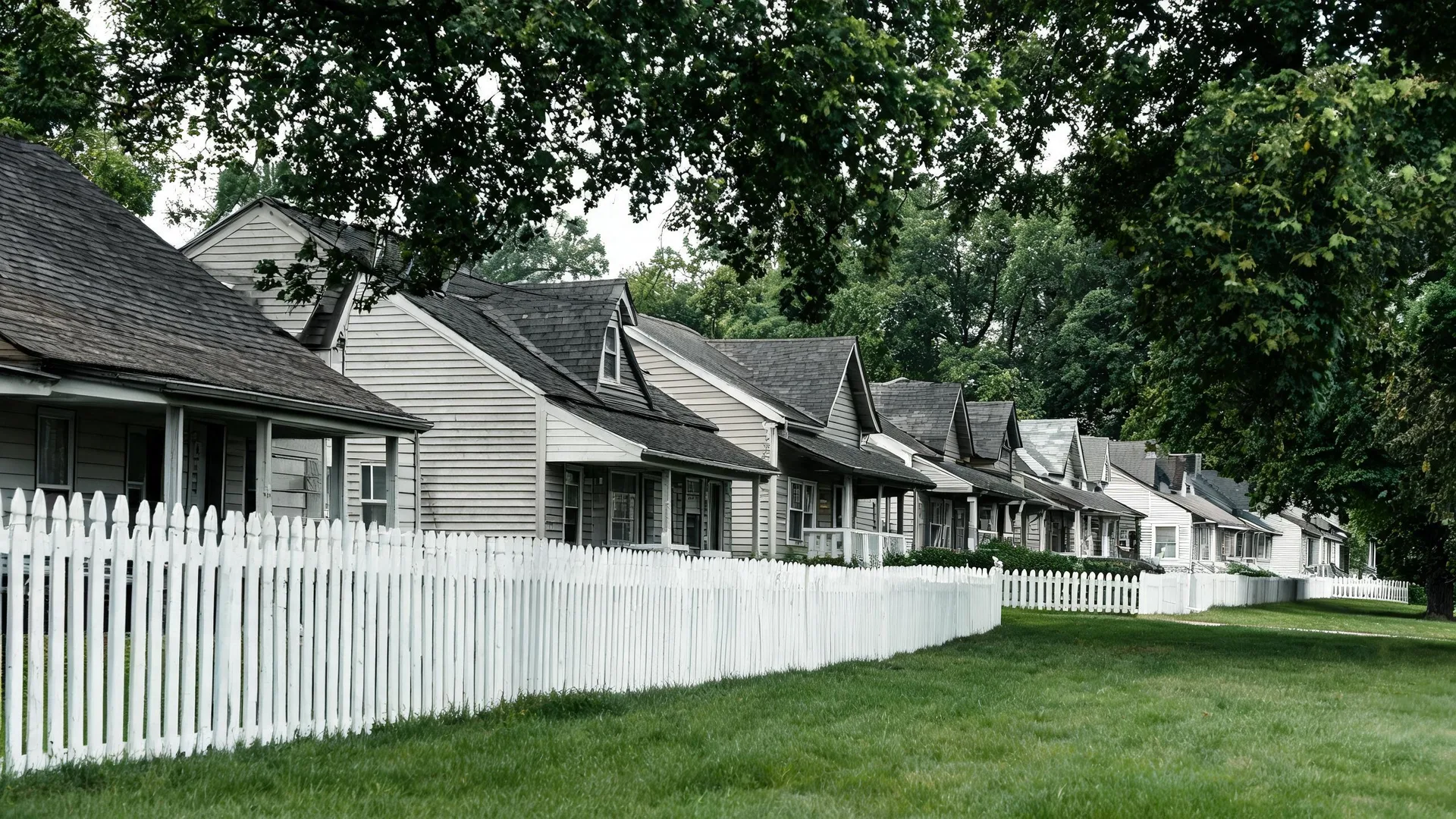






A row of similar single-story houses with gray shingled roofs and light siding behind a white picket fence, with mown grass in the foreground and leafy trees above.

AC Repair in Atlantic City, NJ

Tell us about the job

Takes about a minute. No obligation.

RepairCentral ACAtlantic County, NJ
Step 1 of 2

What ZIP code is the job in?

Atlantic City runs its air conditioning about four months a year, June through September, with afternoon highs averaging 84°F. That's a normal stretch of summer for this part of New Jersey, not an extreme one. A system struggling here is almost always dealing with the same problems any AC runs into anywhere. A weak capacitor. A low refrigerant charge. A dirty coil or a clogged filter. The air here carries more moisture than a dry climate would, so the system works to pull that out along with cooling the air, which is normal operation and not a sign of anything wrong with your setup specifically. If your AC is short-cycling, blowing warm, or not keeping up, the cause is worth finding before anyone talks about replacing it.

4 months
June through September, your air conditioner is on duty
84°F
the average summer afternoon it cools against
9 hail events
in ten years, and hail bends the fins on outdoor coils
106 wind events
in ten years, and wind drives debris into outdoor units
Isometric illustration of a cutaway house showing interior ductwork, an indoor air handler and furniture, connected by lines to an outdoor condenser unit on a pad.
Your air conditioner works hardest from June through August.

NOAA nClimDiv, 1991–2020 normals

Cooling starts up again in June here.

A part that barely got through last September usually fails in the first hot week, not before.

At 19.34 cents a kWh, a struggling AC runs up the bill every one of those afternoons

Power costs 19.34 cents a kWh statewide
Cooling runs June through September
Summer afternoons average 84°F
An AC problem, not an old house problemHalf the homes in Atlantic County were built in 1978 or earlier, half later

A system working harder than it should pulls more power every time it runs, and at 19.34 cents a kWh that cost doesn't wait for a diagnosis. Short-cycling or running nonstop to hold a temperature both mean the unit is on longer than it should be to do the same job. Fixing the capacitor or the charge or whatever's actually wrong stops that draw. Turning the thermostat down or waiting it out doesn't.

Get the usual fix

Nothing about this area is especially hard on it. It's most likely the usual problem with the usual fix.

Find a contractor
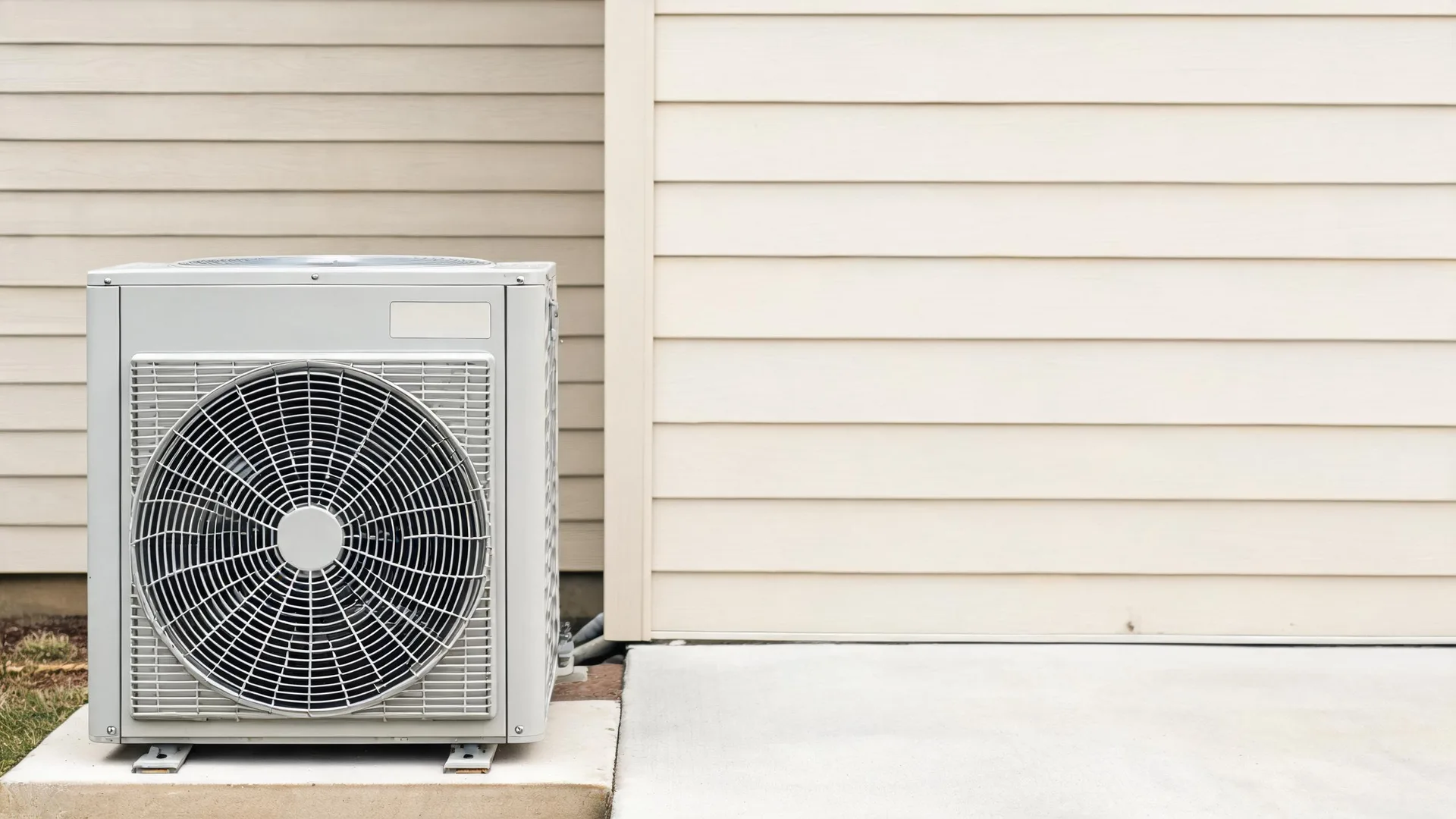
A gray residential air conditioning condenser unit mounted on a concrete pad outdoors, surrounded by green grass under a partly cloudy blue sky.

The longer it runs like this, the more it wears

A weak capacitor doesn't fail cleanly. It gives the compressor a harder start every time the system cycles on, and each hard start wears it a little more. Low refrigerant works the same way in reverse. The compressor runs longer trying to reach a temperature it can't, and it runs hotter doing it. A dirty coil makes the whole system move more heat through less airflow, so everything downstream of it labors. None of that fixes itself by running. The compressor is the part that absorbs the strain from almost everything else going wrong. Shut the system off and the wear stops there. Keep running it hot or starved and the small problem has more hours to turn into a bigger one.

What you'll notice first

Warm air out of the vents, a system that won't shut off, or one that shuts off too soon and starts again a few minutes later. Sometimes a hissing or bubbling sound near the lines, sometimes ice on the coil you can see if you pull the panel. The thermostat might read satisfied while the room clearly isn't. Any of these means something specific is wrong, not that the unit is just old or tired.

Why it's worth a call now

A system blowing warm or short-cycling isn't resting, it's straining. Every cycle it fails to complete puts a harder start on the compressor, and every hour it runs without cooling properly is an hour something downstream is working against the problem instead of past it. Catching it at the capacitor or the charge stage is a different job than catching it after the compressor's taken the damage.

An outdoor central air conditioning unit mounted on a concrete pad beside a blue-sided house at sunset.

A new air conditioner would cut about $30 a year off cooling for a typical Atlantic County home.

  • A new one at the federal minimum, 13.4 SEER2$330 a year
  • An older air conditioner$360 a year

Estimates for a typical Atlantic County home, compared with an older unit built to the previous federal minimum, from EIA household energy data, New Jersey fuel prices and NOAA climate normals. Your home will differ.

Repair makes sense when a part like a capacitor or contactor has failed.

Replacement makes sense when the compressor has failed or the system uses R-22 refrigerant, which is no longer made.

Most AC repairs aren't close calls. A capacitor, a contactor, a low charge from a slow leak, these get fixed and the system runs the way it did before, for years. The decision gets harder when the compressor itself is the problem, since that part costs the most to replace and sits inside a system that's often old enough to have other parts wearing out too. A tech can tell you what's actually failed and what that part's job is in the whole system, which matters more than how old the unit is. Systems the same age can be in completely different shape depending on what's failed and what hasn't. A repair that gets you through reliably is worth doing. One that's just buying a little time before the next part goes is worth knowing about before you spend it.