A row of small single-story houses with gray shingled roofs and light siding behind a white picket fence, with mown lawns and leafy trees.

AC Repair in Phillipsburg, NJ

Tell us about the job

Takes about a minute. No obligation.

RepairCentral ACWarren County, NJ
Step 1 of 2

What ZIP code is the job in?

Check the thermostat and the filter first

Set the thermostat below room temperature and listen for the system to kick on. Check the filter while you're at it. A filter clogged with dust blocks airflow across the coil, and that alone can make an air conditioner blow warm or trip off on its own.


Look at the outdoor unit and the breaker

Walk outside and check that the condenser fan is spinning and nothing is piled against the cabinet. Then check the breaker panel for a tripped switch. If the breaker keeps tripping when you reset it, stop and leave that one for a tech, since it usually means something electrical is drawing too much current.

3 months
June through August, your air conditioner is on duty
82°F
the average summer afternoon it cools against
7 hail events
in ten years, and hail bends the fins on outdoor coils
167 wind events
in ten years, and wind drives debris into outdoor units
Isometric line illustration of a cutaway house showing interior rooms, ceiling ductwork connected to an indoor air handler, and an outdoor condenser unit linked by refrigerant lines.
Your air conditioner works hardest from July through August.

NOAA nClimDiv, 1991–2020 normals

Your AC in Phillipsburg only runs June through August, with afternoon highs around 82.

Three months of real work a year is light duty, so a repair here is usually fixing a part, not fighting a machine that's worn out.

Warren County doesn't put extra strain on an air conditioner

199 severe weather events from 2015 to 2024
11% of homes statewide lost power a day or more in 2024
167 damaging wind events from 2015 to 2024
Electricity here runs 19.34 cents a kilowatthourThat's what New Jersey homes paid in 2024, so a system running wrong costs you more every month it sits unfixed.

Most people notice an air conditioner before they understand it. Warm air from the vents, a system that runs but never quite cools, or one that short cycles off and on every few minutes. Short cycling is its own warning sign, since it usually means the system is shutting itself down before it trips something worse, whether that's high pressure or a coil icing over. A hissing sound near the lines or ice on the copper piping points toward refrigerant. A burning smell or a breaker that won't hold points toward something electrical, and that one shouldn't wait. Water pooling near the indoor unit means a clogged drain line or a overflowing pan, and left alone that water damages the floor or the unit itself. None of these mean the same repair, but all of them mean stop running the system and get it looked at before the small failure causes a bigger one.

Light duty like this is usually worth fixing

A system that only works three months a year doesn't wear out fast. If yours is acting up, get someone out to find the actual part that failed instead of writing off the whole unit.

Find a contractor
A man in a cap, dark jacket and tan pants, seen from behind, steps onto a porch toward a teal front door while carrying a waxed canvas tote bag; a potted shrub in a blue planter sits to the right.
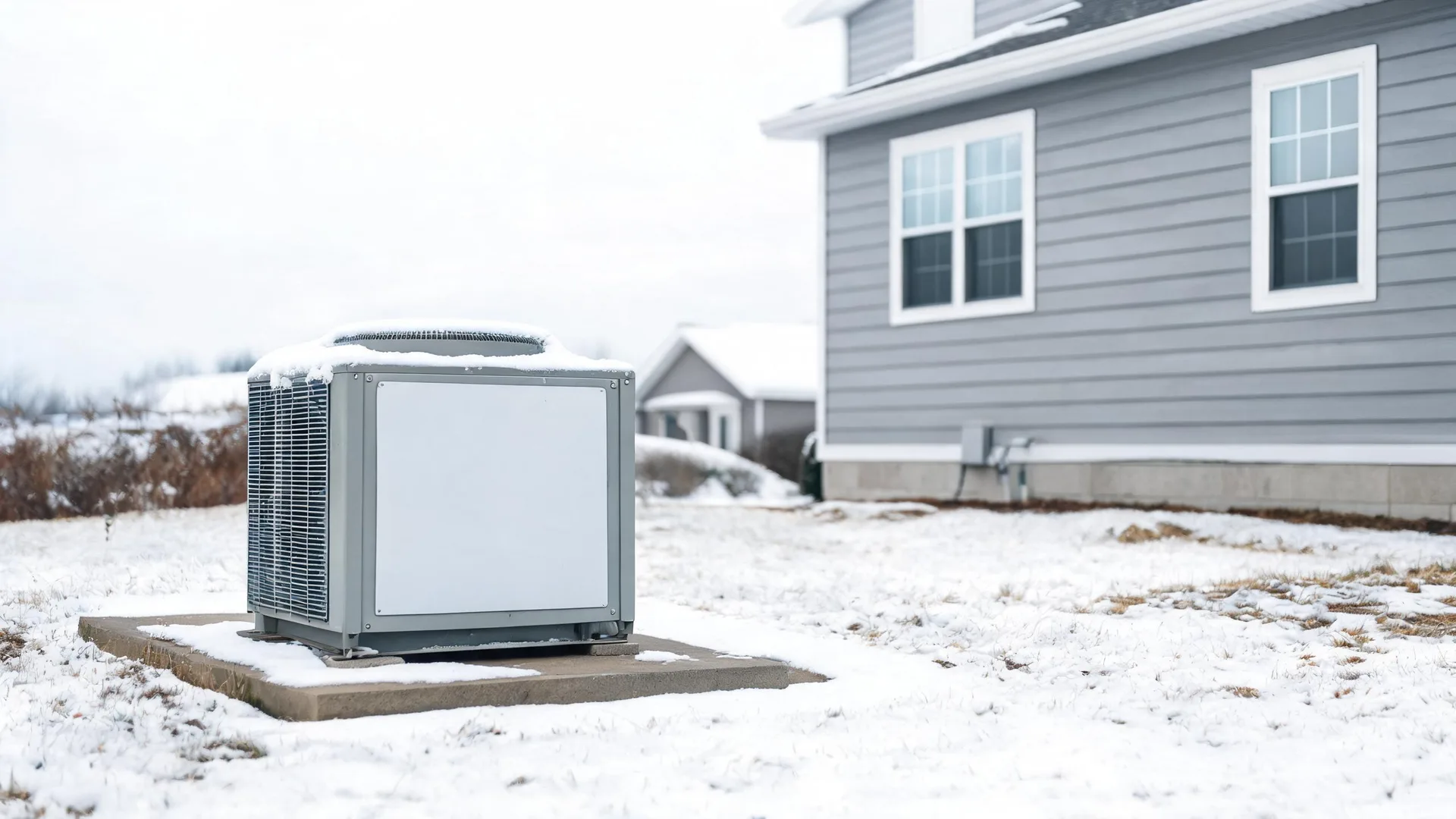
A gray residential air conditioner condenser unit mounted on a concrete pad in an open grass field.

Ask how old the system is before you fix it

This clip runs light duty, so time alone isn't wearing it down fast. Age is a different question, and it doesn't show up on a thermostat. Ask the tech servicing it how old the unit actually is before you agree to anything major.

A weak capacitor causes most no-cool calls

The capacitor gives the compressor and fan motor the jolt they need to start. Once it weakens, the unit hums and struggles to start, or doesn't start at all. This tends to show up on the hottest days, since that's when the system is working hardest and the strain is greatest. It's a quick swap for a tech and one of the most common repairs there is.

A refrigerant leak isn't the same as running low on refrigerant

An air conditioner doesn't use up refrigerant over time. If it's low, there's a leak somewhere in the coil or line set, and adding refrigerant without finding that leak just means the same problem comes back in a few months. Ask where the leak is before agreeing to a recharge. Found early, it's a straightforward repair. Left alone, it runs the compressor without enough refrigerant to cool it, and that's a different kind of damage.

Overhead view of a gray residential air conditioning condenser unit mounted on a concrete pad beside a house with asphalt shingle roofing.

A new air conditioner would save little on running costs in Warren County, so the repair decision comes down to the unit's condition.

  • A new one at the federal minimum, 13.4 SEER2$200 a year
  • An older air conditioner$210 a year

Estimates for a typical Warren County home, compared with an older unit built to the previous federal minimum, from EIA household energy data, New Jersey fuel prices and NOAA climate normals. Your home will differ.

Repair makes sense when a part like a capacitor or contactor has failed.

Replacement makes sense when the compressor has failed or the system uses R-22 refrigerant, which is no longer made.

A tech starts by asking what the system is doing. Not cooling at all, blowing warm, or running but short cycling. Then they check airflow across the coil before touching anything electrical. Gauges go on next to read suction and head pressure, since that tells them whether refrigerant charge is right and where the trouble likely sits. They test the capacitor under load, not just look at it, because a capacitor can read fine sitting still and still fail under the draw of starting a compressor. If the coil is iced over, they need it to thaw before any of those readings mean anything, so that can slow the visit down. By the end you should know which part failed and why, not just that something did.