Three months of real work
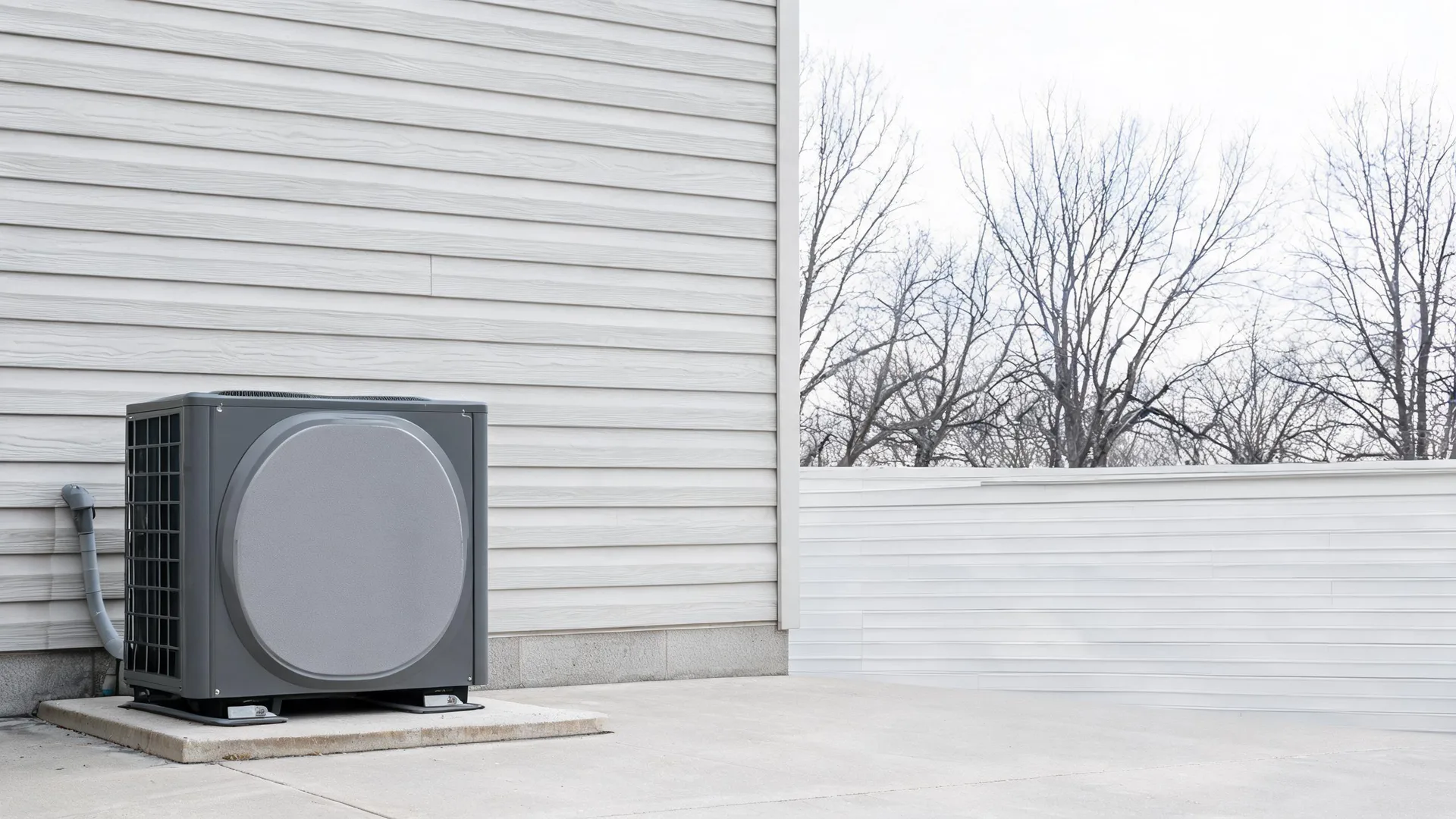
AC in Hackensack runs June through August, with afternoons averaging 84°F. That's a normal summer load, not something that wears a system out ahead of its time.

Takes about a minute. No obligation.
AC in Hackensack runs June through August, with afternoons averaging 84°F. That's a normal summer load, not something that wears a system out ahead of its time.
When a unit here stops cooling, it's almost always a capacitor, a low charge, a dirty coil or a clogged filter. A tech checks those first and fixes the one that's actually wrong.

NOAA nClimDiv, 1991–2020 normals
Cooling here starts in June, and May is when a weak capacitor can still limp through a light load.
Have it checked in May and that part gets found before the first hot day asks more of it.



Half the homes in Bergen County were built in 1960 or earlier. If your AC came with a house that old, it may not be the original unit, but it's worth finding out. An AC that's been replaced once already is a different situation than one running on borrowed time. Before paying for a big repair, ask the tech how much life is left in the unit. That answer should drive the decision, not just what's broken today.
New Jersey electricity ran 19.34 cents per kilowatthour in 2024, among the higher rates in the country. A capacitor or low charge that's making your AC run longer than it should costs you more here than it would most places. Get it looked at before another month of bills passes.
Find a contractorA tech can read the unit's age right off the nameplate, same visit as the repair. That number, next to what's actually wrong with it now, is what tells you whether to fix it or start pricing a new one. Ask before you approve anything.
Refrigerant doesn't get used up. If the charge is low, there's a leak somewhere in the lines or coil. Running the system low on charge makes the compressor run hotter than it's built to, and that heat shortens how long it lasts. Catch the leak early and it's a repair. Let it run low for a season and the compressor is the part that fails.
The evaporator coil is supposed to pick up heat from the air passing over it. Dirt or a clogged filter blocks that, so refrigerant moves through the coil without warming up the way it should. That refrigerant can come back to the compressor still partly liquid, and a compressor isn't built to handle liquid. Clear the airflow problem early and it's a filter change or a coil cleaning. Leave it running and it turns into a bigger repair.
Estimates for a typical Bergen County home, compared with an older unit built to the previous federal minimum, from EIA household energy data, New Jersey fuel prices and NOAA climate normals. Your home will differ.
Repair makes sense when a part like a capacitor or contactor has failed.
Replacement makes sense when the compressor has failed or the system uses R-22 refrigerant, which is no longer made.
A repair is worth doing when the part that failed is cheap next to the machine around it. A capacitor, a contactor, a fan motor. Fixing one of those doesn't mean the compressor is in trouble, it's just that one part. A failed compressor is a different call, and so is a second problem sitting behind the first one the tech found. A unit that's needed a repair every season for the last few years is telling you something a single repair bill doesn't. Age matters too, but only next to what's actually broken, not by itself. The real question isn't what today's fix costs. It's whether this same unit is likely to be back in this spot again soon.