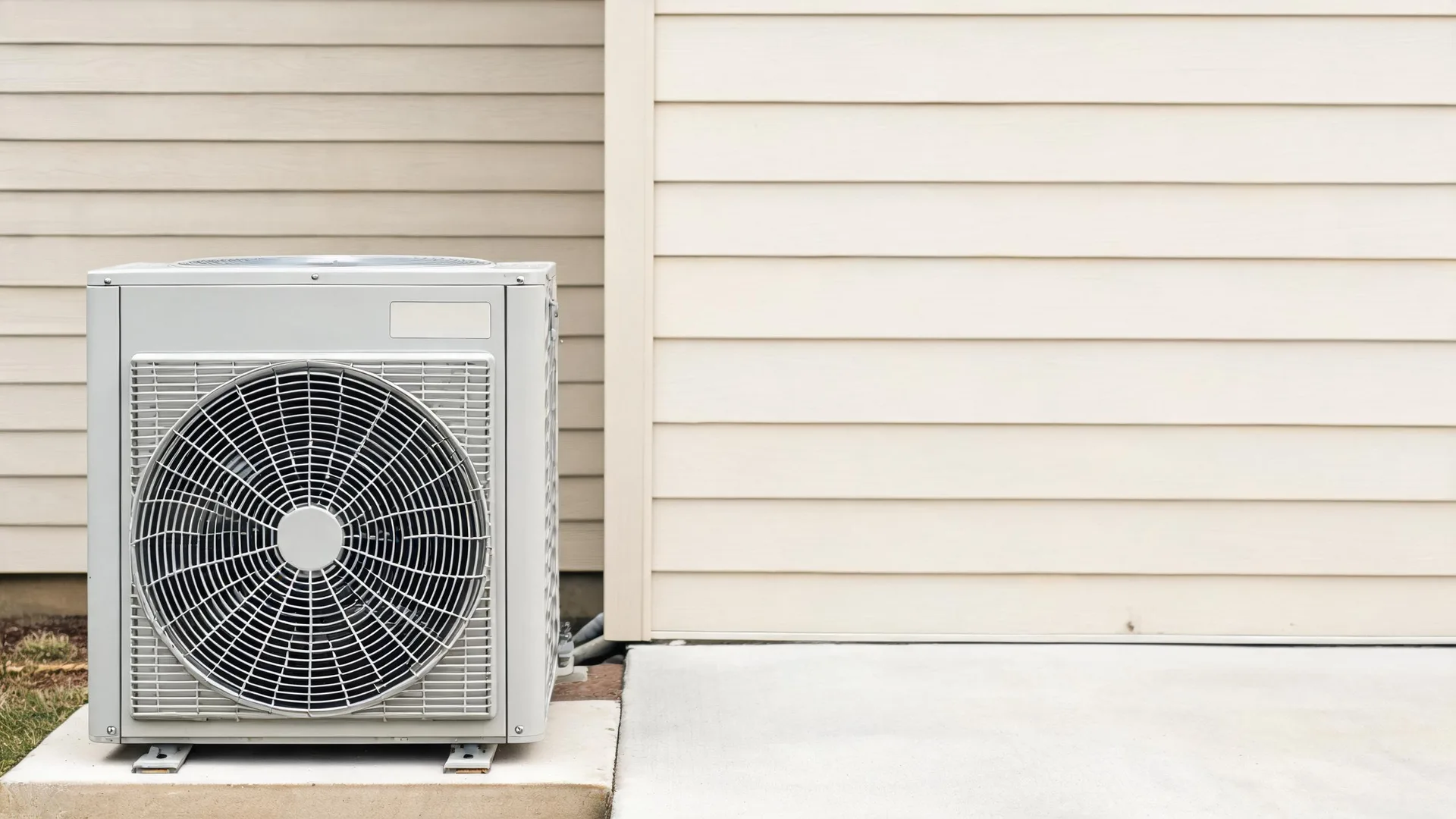
Electricity here runs 19.34 cents a kilowatthour
New Jersey power costs more than it does in most states. An air conditioner working against a dirty coil or a low charge burns more of it every hour it runs.
Takes about a minute. No obligation.
New Jersey power costs more than it does in most states. An air conditioner working against a dirty coil or a low charge burns more of it every hour it runs.
A technician checking the coil, the charge and the airflow finds the small losses before they turn into a bigger bill or a breakdown mid summer.

NOAA nClimDiv, 1991–2020 normals
Half the homes in Burlington County were built in 1977 or earlier.
A system that old has usually had some work done on it, and a once a year check is what keeps it running the way it should.



Air conditioners here run June through September, about four months. Afternoons average 85 degrees across June, July and August, so the system is working hard for that whole stretch, not just on the worst days. One visit a year, done before June, is enough to catch it. There's no second heat wave later in the year to plan a second visit around. Get it checked once, before the summer starts, and that covers the months that actually ask something of it.
June is the first month this system has to work here, and it runs that way through September. Book the check in May, before that stretch starts.
Find a contractor
A quick visit gets you a glance at the filter and a reading on the refrigerant pressure, then a sticker on the unit. That catches almost nothing. A thorough one starts outside, washing the coil fins clean of the dirt and cut grass packed between them, because a blocked coil makes the compressor work harder to move the same heat. The tech checks the refrigerant charge against what the system actually calls for, not just whether it's low, and checks the subcooling and superheat to be sure it's right. The capacitor and contactor in the outdoor unit get tested under load, since a capacitor can read fine sitting still and still fail the moment it's asked to start the compressor. Inside, the blower wheel gets looked at for caked on dust, and the drain line gets checked so condensation has somewhere to go instead of backing up into the house. Electrical connections get tightened, because a loose one is what burns a wire or trips a breaker on the hottest afternoon of the summer. Ask what was actually checked and what the numbers were. A real tune-up leaves you with readings, not just a clean filter and a handshake.
The coil outside loses airflow a little at a time as dirt and grass clippings pack in between the fins. The system keeps cooling the house, so nothing feels wrong yet. Underneath, the compressor works harder every day to move the same heat, and that wear adds up long before the unit stops.
A capacitor can read fine sitting still and still fail the moment it has to start the compressor on a hot afternoon. A system low on charge can get through a mild stretch and then come up short once it's asked to run for hours straight. Maintenance finds these before the heat does.
A tune-up checks the refrigerant charge, cleans the coils, tests the capacitor and tightens the electrical connections.
A tune-up on a central air conditioner covers the outside unit and the inside one, and both need their own look. Outside, the coil gets cleaned so it can shed heat the way it was built to, and the refrigerant charge gets checked against the number the system was built to run, not just topped off because it reads low. The capacitor and contactor get tested under a load, since that's the only way to know if they'll hold up when the compressor actually calls on them. Inside, the blower wheel gets checked for dust buildup, because a caked wheel moves less air even when the motor runs fine, and the drain line gets cleared so condensation keeps draining instead of backing up into the house. None of this fixes something that's broken. It finds the part that's about to be.