






Overhead view of an outdoor AC condenser unit on a concrete pad next to a house with a dark shingle roof.

AC Maintenance in Long Branch, NJ

Tell us about the job

Takes about a minute. No obligation.

Tune-up, service, or cleaningCentral ACMonmouth County, NJ
Step 1 of 2

What ZIP code is the job in?

Electricity in New Jersey runs 19.34 cents per kilowatthour, well above what a lot of the country pays. A dirty coil or a low charge makes your AC work harder to do the same job, and every extra minute it runs gets billed at that rate. A unit that has to struggle pulls more power all season long, not just on the hottest days. That difference shows up on your bill whether you notice the system straining or not.

4 months
June through September, your air conditioner is on duty
84°F
the average summer afternoon it cools against
32 hail events
in ten years, and hail bends the fins on outdoor coils
253 wind events
in ten years, and wind drives debris into outdoor units
Isometric line illustration of a cutaway single-story building showing interior rooms, ceiling ductwork, an indoor air handler, and an outdoor condenser unit connected by a line set.
Your air conditioner works hardest from June through August.

NOAA nClimDiv, 1991–2020 normals

Half the homes in Monmouth County were built in 1975 or earlier.

Older or newer, the system still only needs one checkup a year to catch what's turning into a problem.

Monmouth County sees its share of wind, hail and storms that knock out power. None of that changes how often this system needs a look.

326 severe weather events from 2015 to 2024
11% of homes statewide lost power a day or more in 2024
253 damaging wind events from 2015 to 2024
June is when it starts workingAC here runs June through September. Have it checked in May.

Four months of real cooling here, June through September, with afternoons averaging 84. That's not a long season, but it asks a lot of the unit while it lasts. One visit before June catches a dirty coil or a weak capacitor before the first hot stretch finds it instead. A system that only runs part of the year doesn't need looking at more often than that. It needs looking at before it starts.

A checkup now costs less than a struggling AC all summer

A tune-up gets the coil and charge checked before the strain starts. At 19.34 cents a kilowatthour, a system working harder than it should runs up the bill all season, not just on the worst days. Getting it looked at now is cheaper than paying for the extra power later.

Find a contractor
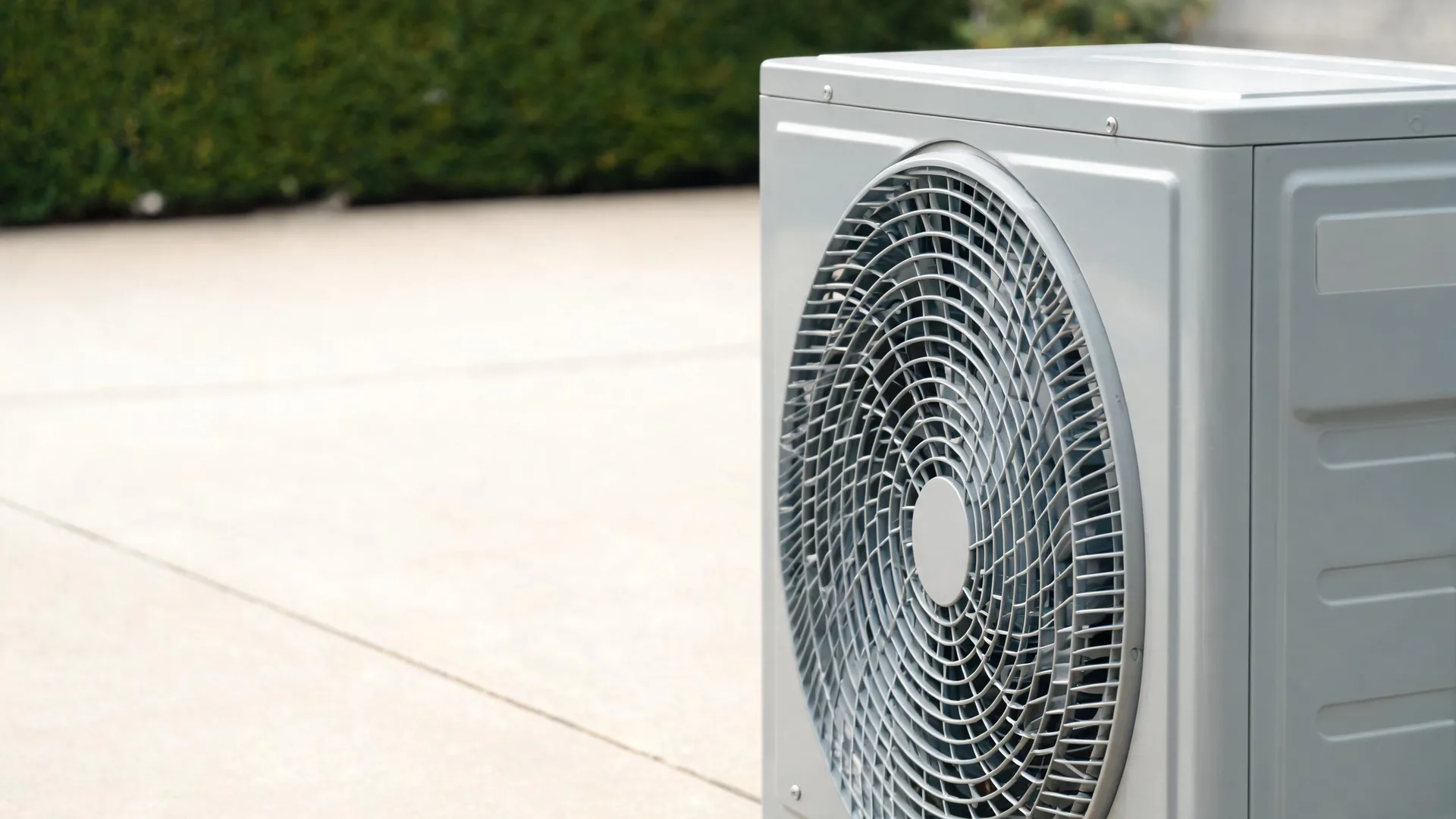
A gray metal air conditioning condenser unit mounted on a concrete pad in a flat grassy field under a partly cloudy sky.

What a skipped year does

Skip the yearly visit and nothing happens right away. The coil picks up a thin layer of dust. The refrigerant charge drifts a little low. The system keeps running either way. It just works harder to move the same heat out of the house. A dirty coil can't shed heat as well, so the compressor runs longer to finish the same cycle. A low charge makes the compressor draw more current trying to hit a target it can't reach. None of this trips a breaker or throws a warning. It just runs hotter and longer, cycle after cycle, until a capacitor gives out or the compressor quits under strain it's been carrying the whole time.

What gets measured, not guessed

A tune-up includes checking the refrigerant charge against the pressure the system should be holding, not just topping it off. The technician checks the temperature split between the air going into the system and the air coming out, which shows whether the system is actually moving the heat it should. The capacitor gets tested against its rating, since it can read weak long before it fails outright. None of that shows up by looking at the unit or feeling the air at a vent.

What it means for a system still running fine

A system can cool the house and still be failing underneath. A capacitor testing low still starts the compressor, until the day it doesn't. A coil with a thin layer of dust still cools, just not as well, so the compressor runs longer to make up the difference. Catching either one during a checkup means it gets dealt with on a schedule, instead of taking the compressor down with it.

Aerial view of a residential air conditioning condenser unit mounted on a concrete pad next to a house with vinyl siding and a sliding glass door.

Book your AC tune-up in May, before homes here start needing cooling in June.

  1. Jan
  2. Feb
  3. Mar
  4. Apr
  5. May
  6. Jun
  7. Jul
  8. Aug
  9. Sep
  10. Oct
  11. Nov
  12. Dec

A tune-up checks the refrigerant charge, cleans the coils, tests the capacitor and tightens the electrical connections.

A tune-up starts outside, at the condenser. The technician shuts power to the unit, pulls the panel, and cleans the coil fins with a brush or rinse so the coil can shed heat the way it's supposed to. The fan motor and blades get checked for wobble or noise. Inside, the evaporator coil and the drain line get looked at, since a clogged drain backs up and spills water right where you don't want it. Electrical connections get tightened, because a loose connection builds resistance and heat on its own, separate from anything refrigerant-related. The thermostat gets checked against the actual temperature in the house, not just the number on the display. Every one of these gets looked at whether the system seems fine or not, because the parts that fail first rarely announce themselves before they do.