






White colonial houses with lit windows photographed at dusk along a tree-lined residential street.

AC Maintenance in Glassboro, NJ

Tell us about the job

Takes about a minute. No obligation.

Tune-up, service, or cleaningCentral ACGloucester County, NJ
Step 1 of 2

What ZIP code is the job in?

Electricity in New Jersey ran 19.34 cents per kilowatthour in 2024, well above what most states pay. Your air conditioner feels that rate every time it cycles on. A dirty coil or a low charge makes the compressor work harder to cool the same air, and that extra work shows up on the meter all summer. A system running clean and properly charged uses less power to do the same job. At Glassboro rates, that difference is worth catching early.

4 months
June through September, your air conditioner is on duty
85°F
the average summer afternoon it cools against
9 hail events
in ten years, and hail bends the fins on outdoor coils
140 wind events
in ten years, and wind drives debris into outdoor units
Isometric cutaway illustration of a single-story house showing interior rooms, ceiling ductwork connected to an indoor air handler, and an outdoor condenser unit beside the exterior wall.
Your air conditioner works hardest from June through August.

NOAA nClimDiv, 1991–2020 normals

Your air conditioner runs June through September here, with afternoon highs averaging 85.

One tune-up before June covers the whole summer, catching a dirty coil or a weak capacitor before it fails on the hottest day.

June is already a full-on summer month here, not a warm-up

Cooling runs June through September
Summer afternoons average 85°F
140 damaging wind events from 2015 to 2024

Half the homes in Gloucester County were built in 1980 or later. If yours is one of them, there's a decent chance your air conditioner is too, especially if it's the original unit. A newer system still has most of its working life ahead of it, and what happens in that life depends on how it's treated. A compressor that runs clean every summer and gets looked at once a year holds up better than one that runs dirty or low on charge, no matter how new it started out.

Get it checked before the meter pays for what the coil didn't catch

A dirty coil or a low charge makes the compressor run longer to do the same job, and at Glassboro's rates that shows up on the bill before summer is over. A tune-up before the season starts gets the coil cleaned and the charge checked while the system is still off, so it's running clean from the first hot day instead of working against itself for months.

Find a contractor
A man in a cap, dark long-sleeved shirt and tan work pants climbs porch steps toward a teal front door, carrying a worn canvas tool bag beside a potted shrub.
A gray residential air conditioner condenser unit mounted on a concrete pad in an open grass field.

A newer system still earns its keep

If your system is one of the newer ones, a yearly check before summer is what keeps it that way. A compressor that gets looked at every year holds its charge and runs clean longer than one that just gets run until it doesn't. The check happens while the system is off, before the heat starts. What it buys is more summers of running the way it did when it was new.

Weak airflow from the vents

If the air coming out feels weaker than it used to, or some rooms barely get cold while others do fine, the blower or the ductwork isn't moving what it should. Sometimes it's a filter so clogged the system is pulling air through a wall of dust. Sometimes it's a blower wheel caked with grime. Either way the system is working harder to push less air, and that strain lands on the compressor.

Short cycles or a system that won't stop

An air conditioner that clicks off a few minutes after starting is usually low on charge or has a dirty coil choking the heat it's supposed to shed. One that runs constantly and still can't hold the temperature is fighting the same fight from the other direction. Neither is how the system is supposed to behave, and both wear the compressor down faster than normal operation would.

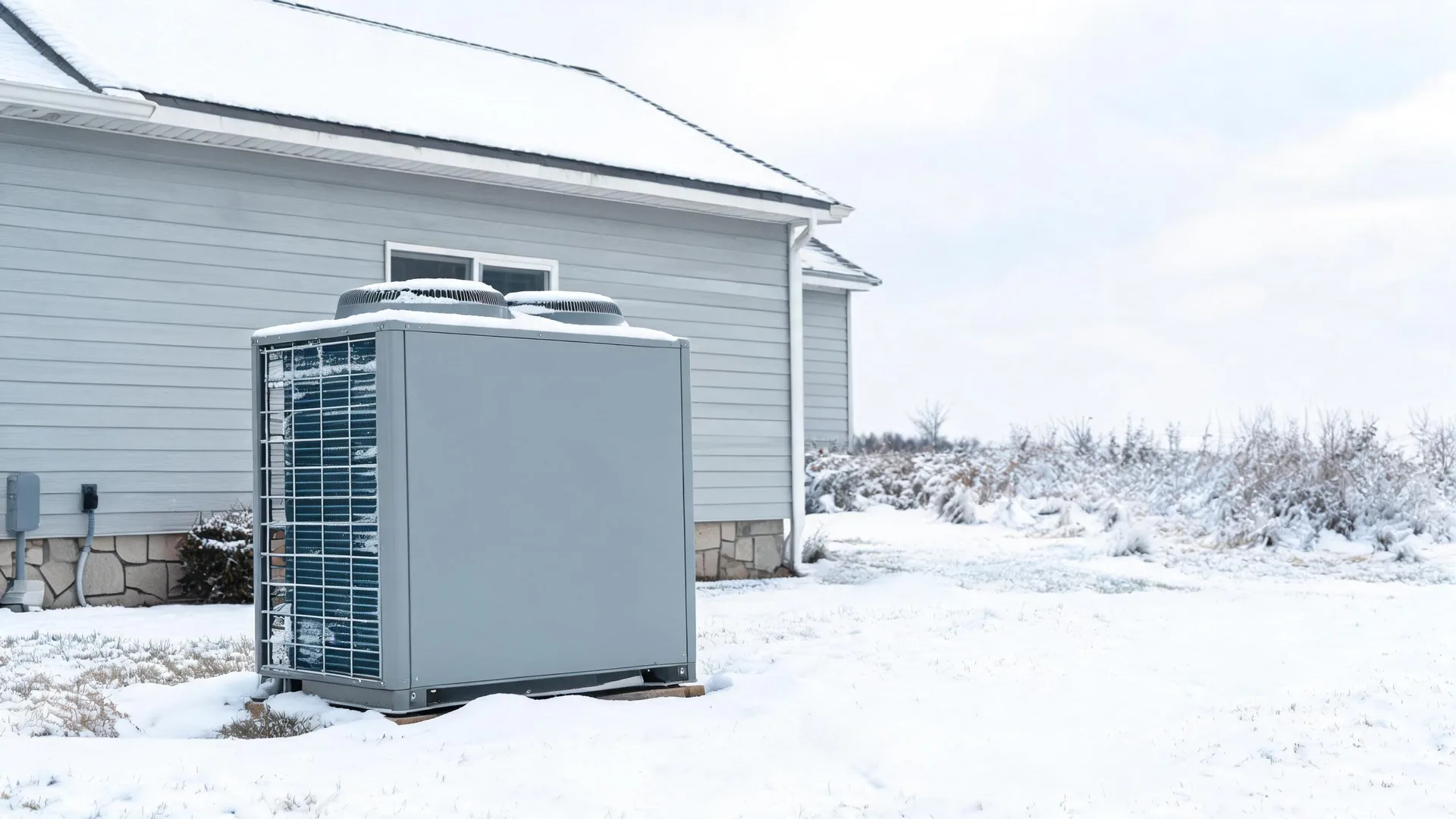
An outdoor air conditioning condenser unit positioned beside a blue-sided house at sunset.

Book your AC tune-up in May, before homes here start needing cooling in June.

  1. Jan
  2. Feb
  3. Mar
  4. Apr
  5. May
  6. Jun
  7. Jul
  8. Aug
  9. Sep
  10. Oct
  11. Nov
  12. Dec

A tune-up checks the refrigerant charge, cleans the coils, tests the capacitor and tightens the electrical connections.

A real tune-up starts with the coil. The outdoor coil sheds heat, and if it's coated in dust or grass clippings it can't do that job, so the compressor runs longer to get the same result. A tech pulls the panels, cleans the coil, and checks the fins aren't crushed flat blocking airflow. Next comes the refrigerant charge, checked with gauges against what the system calls for, since too little and too much both wear the compressor down. The capacitor gets tested under load, not just looked at, because a weak one can still let the system start while failing within weeks. Electrical connections get checked for corrosion, the blower wheel gets inspected for the same grime that builds up on the coil, and the condensate drain gets cleared so it isn't backing up somewhere you can't see it. None of that shows up by looking at the unit from across the yard. It shows up in whether it still runs the way it did when it was new.