





Overhead view of a gray residential air conditioning condenser unit mounted on a concrete pad beside a house with asphalt shingle roofing.

AC Maintenance in Hopatcong, NJ

Tell us about the job

Takes about a minute. No obligation.

Tune-up, service, or cleaningCentral ACSussex County, NJ
Step 1 of 2

What ZIP code is the job in?

Between visits, the filter is the one thing worth checking yourself. A dirty filter chokes airflow across the evaporator coil, and a coil that can't breathe is more likely to ice over. Look at it in good light. If you can't see through it, swap it or clean it, depending on the kind you have. Outside, keep the condenser unit clear of grass clippings, leaves and anything growing against the side of it. That unit needs open air moving through its fins to dump heat, and anything blocking it makes the compressor work harder than it should. Beyond that, leave it alone. The refrigerant charge, the electrical connections and the condensate drain are a tech's job, not something to open up on your own.

2 months
July through August, your air conditioner is on duty
81°F
the average summer afternoon it cools against
9 hail events
in ten years, and hail bends the fins on outdoor coils
160 wind events
in ten years, and wind drives debris into outdoor units
Isometric line illustration of a cutaway house showing interior rooms, ceiling ductwork connected to an indoor air handler, and an outdoor condenser unit linked by refrigerant lines.
Your air conditioner works hardest from July through August.

NOAA nClimDiv, 1991–2020 normals

Cooling in Hopatcong starts in July.

Have the AC checked in June, before it has to work.

Half the homes here were built by 1973, old enough that a yearly check matters

Half the homes here were built by 1973
Cooling runs July through August
Summer afternoons average 81°F

One visit a year is enough for most homes here. A central AC doesn't need checking every season, just before the months it has to work. Electricity in New Jersey runs 19.34 cents a kilowatt-hour, among the higher rates in the country, so a system that's lost efficiency costs more every day it runs that way. A tech can catch that kind of drop before it shows up on the bill, things like a weak capacitor or a refrigerant charge that's drifted low. More visits than that wouldn't tell you much a yearly check doesn't already catch.

Book it before the season

It starts running hard in the first month of the season here. Book the check the month before.

Find a contractor
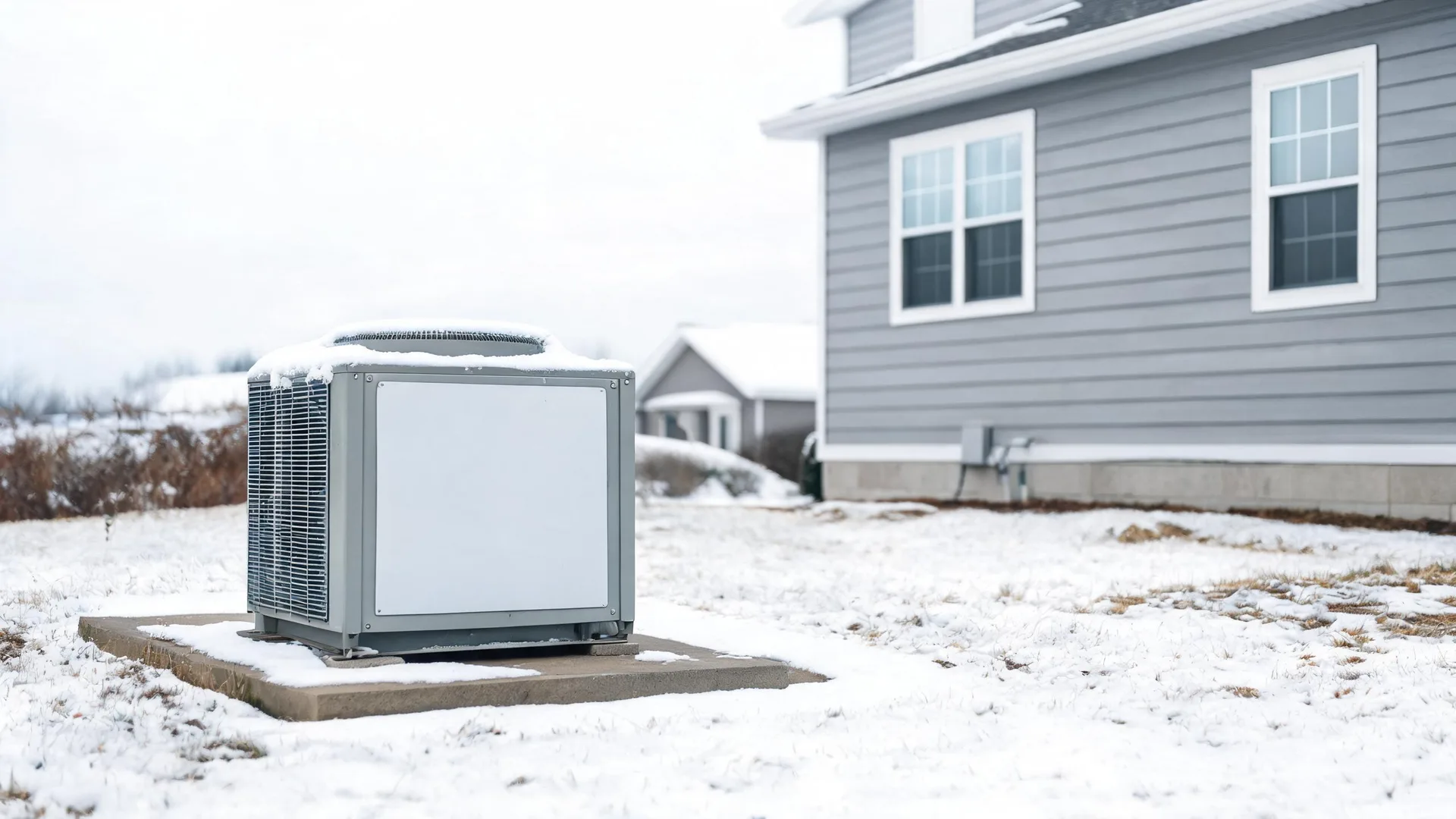
A gray residential air conditioner condenser unit mounted on a concrete pad in an open grass field.

What a skipped year does to the system

Skip a year and nothing happens right away. The wear is still there, just unwatched. A capacitor loses its charge a little at a time until the day it can't kick the compressor on at all. A coil picks up a film of dust that cuts its ability to absorb heat, so the system runs longer to move the same air. Refrigerant that's crept low from a small leak keeps creeping, and a compressor built to run at the right pressure wears faster without it. None of this announces itself. The air still comes out cold until the week it doesn't.

Gauges out, or gauges on the unit

A tech who checks refrigerant pressure with gauges on the lines is looking at what the system is actually doing that day. One who just asks if the air feels cold and moves on is guessing. The coil and the blower compartment should come open too. Dust on a coil hides in a quick look and shows up as a weak system once it's built up.

What it means for the season ahead

A thorough visit catches a capacitor on its way out or a charge that's drifted low, the kind of wear that doesn't announce itself until the system struggles on the first hot stretch. A quick once-over might still get the air blowing cold that day, but it won't tell you whether the compressor is about to start working harder than it should.

Aerial view of a gray outdoor air conditioning condenser unit mounted on a concrete pad next to a house with vinyl siding.

Book your AC tune-up in June, before homes here start needing cooling in July.

  1. Jan
  2. Feb
  3. Mar
  4. Apr
  5. May
  6. Jun
  7. Jul
  8. Aug
  9. Sep
  10. Oct
  11. Nov
  12. Dec

A tune-up checks the refrigerant charge, cleans the coils, tests the capacitor and tightens the electrical connections.

A real tune-up starts outside at the condenser. The tech pulls the fan shroud or top grille and looks at the coil fins for dirt packed down between them, then washes it out so heat can actually leave the refrigerant instead of getting trapped against a dirty coil. The capacitor gets tested under load, not just eyeballed, since a capacitor can read fine sitting still and still fail to kick the compressor on. Refrigerant pressure gets checked with gauges on the lines, matched against what that system is supposed to run at, because too little charge means a leak somewhere and too much means it was overfilled at some point. Inside, the blower wheel gets a look too. A blower wheel caked with dust moves less air even at full speed, and the whole system runs longer to make up for it. The condensate line gets checked last, since a clogged one backs up and can shut the system down or let water sit where it shouldn't.