






A row of similar small gabled houses with light siding behind a long wooden picket fence, with mown grass in the foreground and leafy trees above.

AC Maintenance in Paterson, NJ

Tell us about the job

Takes about a minute. No obligation.

Tune-up, service, or cleaningCentral ACPassaic County, NJ
Step 1 of 2

What ZIP code is the job in?

Electricity in New Jersey ran 19.34 cents per kilowatthour last year, well above what most of the country pays. A dirty coil or a low refrigerant charge makes the compressor work harder to do the same job, and that extra work shows up on the meter every month the unit runs. A system that has to strain gets worse over a season, not better, since dirt and wear don't fix themselves. At that price per kilowatthour, a system running inefficiently all summer costs real money, not a rounding error.

3 months
June through August, your air conditioner is on duty
82°F
the average summer afternoon it cools against
6 hail events
in ten years, and hail bends the fins on outdoor coils
42 wind events
in ten years, and wind drives debris into outdoor units
Isometric line illustration of a cutaway single-story building showing interior rooms, ceiling ductwork and an air handler, connected by lines to an outdoor condenser unit beside the exterior wall.
Your air conditioner works hardest from July through August.

NOAA nClimDiv, 1991–2020 normals

Your AC only runs three summer months here, June through August.

A system that short on runtime should last for years with basic upkeep, so a yearly check is what gets it there.

Half the homes here were built by 1956, and houses that old mean a system that needs a yearly look

Half the homes here were built by 1956
Cooling runs June through August
Summer afternoons average 82°F

May is the month before cooling starts here, and that is the month to get the system looked at. June through August is a short season, but the unit goes from sitting idle to running full days almost overnight once it starts. A tech checking it in May can catch a low charge or a dirty coil while the system is still off, rather than after it has been straining through the first hot week. That timing also leaves room to order a part if one is needed, instead of waiting on it mid-summer.

Let a tune-up keep your cooling costs down, not up

A clean coil and a correct charge mean the compressor isn't straining to do its job, and at 19.34 cents per kilowatthour, that difference shows up on the bill every month the unit runs. A tune-up now gets the system running the way it should before that cost starts adding up.

Find a contractor
A man in a dark cap, gray long-sleeve shirt and tan work pants carries a canvas tool bag up gray porch steps toward a teal front door, with a potted shrub beside the entry.
A gray residential air conditioning condenser unit mounted on a concrete pad outdoors, surrounded by green grass under a partly cloudy blue sky.

The parts that fail quietly

A gauge set on the refrigerant lines tells a tech what the coil can't show by looking at it. Charge that's a little low won't make the air blow warm. It just makes the compressor run longer to get the same cooling, and that strain stays invisible until a part fails from it. Pulling the blower access panel finds the small stuff too. A capacitor reading weak but not dead yet. Contacts in the contactor starting to pit. A drain line with algae narrowing it down before it clogs outright. None of that trips a breaker. None of it shows up as warm air. It shows up later as a bigger repair, usually once the system has been running hard for a while.

A filter swap isn't a tune-up

A quick visit checks the filter, glances at the outdoor unit, and calls it done. A thorough one pulls the panel, checks refrigerant pressure against what the system calls for, and tests the capacitor under load instead of just looking at it. One of these finds the problem before it fails. The other finds it after.

Ask what gets measured, not just looked at

Pressures, temperature split across the coil, amp draw on the compressor. Those are numbers a tech writes down, not things eyeballed from across the room. If nothing gets measured, nothing gets compared next year, and a slow decline in the system has no record to show it.

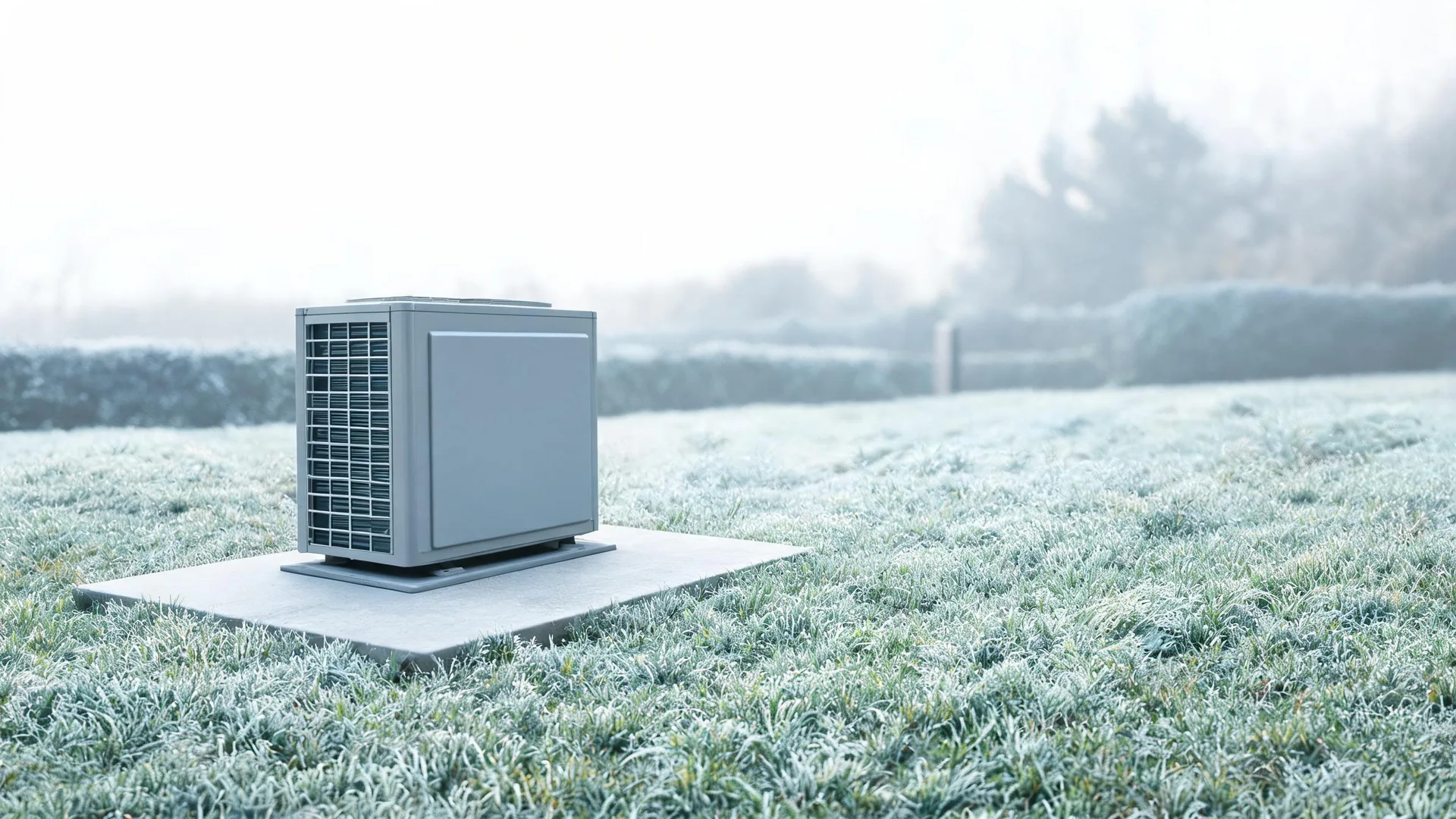
An outdoor air conditioning condenser unit on a concrete pad next to the gray vinyl siding of a residential home.

Book your AC tune-up in May, before homes here start needing cooling in June.

  1. Jan
  2. Feb
  3. Mar
  4. Apr
  5. May
  6. Jun
  7. Jul
  8. Aug
  9. Sep
  10. Oct
  11. Nov
  12. Dec

A tune-up checks the refrigerant charge, cleans the coils, tests the capacitor and tightens the electrical connections.

A real tune-up starts outside. The condenser coil gets washed clean, not just glanced at, because dirt packed between the fins is what makes the compressor strain in the first place. The fan motor gets checked for play in the bearing and for a hum that isn't quite right. Inside, the evaporator coil gets looked over for dirt and for ice, since a coil that's iced up points to a charge problem a filter swap won't touch. The condensate line gets flushed so it drains instead of backing up into the pan. Electrical connections get snugged down, because a loose lug heats up over a season and that heat is what eventually takes out a contactor. Refrigerant pressure gets checked against what the system is built to run, not eyeballed from the gauge going up and down. Each of those is a separate way the system can fail, and a tune-up is what catches them while they're still small.