





An outdoor central air conditioning unit mounted on a concrete pad beside a blue-sided house at sunset.

AC Maintenance in Newark, NJ

Tell us about the job

Takes about a minute. No obligation.

Tune-up, service, or cleaningCentral ACEssex County, NJ
Step 1 of 2

What ZIP code is the job in?

Electricity in New Jersey ran 19.34 cents per kilowatthour in 2024, well above what a lot of the country pays. A dirty coil or a low charge makes the compressor work harder to do the same job, and that extra draw shows up on the bill every month it goes unfixed. Homes here aren't just paying a high rate, they're paying it on a system that may be working harder than it needs to. A unit that's been looked at and cleaned runs closer to what it's rated for, which matters more here than somewhere with cheaper power.

3 months
June through August, your air conditioner is on duty
84°F
the average summer afternoon it cools against
2 hail events
in ten years, and hail bends the fins on outdoor coils
61 wind events
in ten years, and wind drives debris into outdoor units
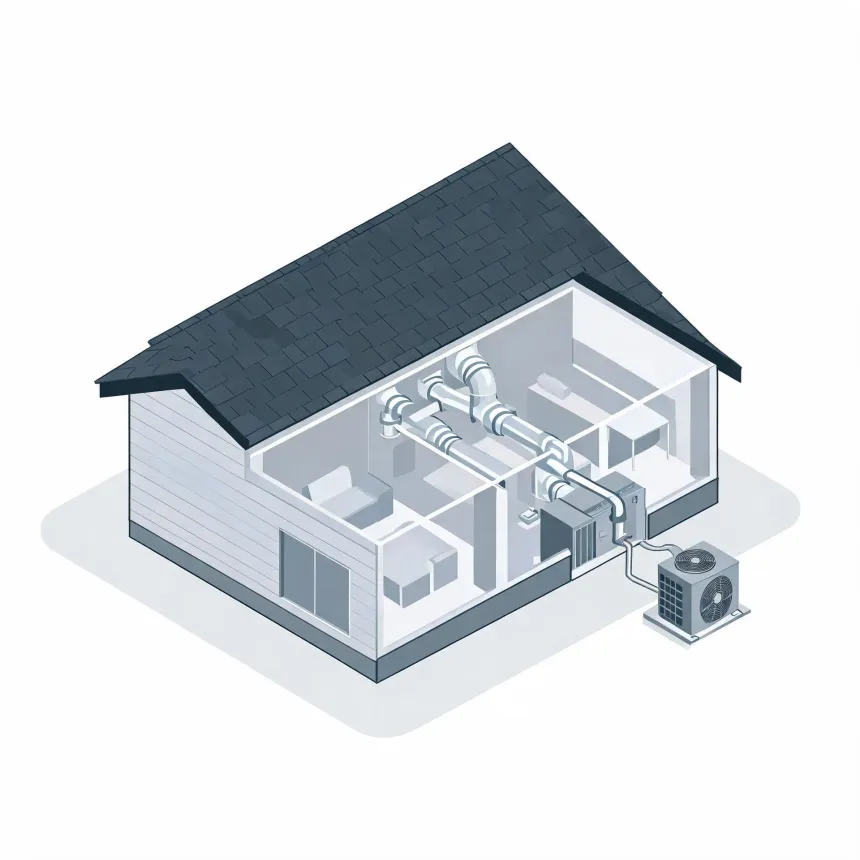
Isometric cutaway illustration of a house with a dark shingled roof, showing interior ductwork connected to an indoor air handler and an outdoor condenser unit beside the building.
Your air conditioner works hardest from June through August.

NOAA nClimDiv, 1991–2020 normals

Cooling in Newark starts in June and runs through August.

May is when to get the AC checked, before the compressor is working every day.

An old system is reason to book the yearly check, not skip it

Half the homes here were built by 1958
Cooling runs June through August
Summer afternoons average 84°F

A tech checking the system opens it up in ways a homeowner never does. The refrigerant charge gets checked against what the unit calls for, since a system can be low and still blow cold air for a while before it struggles. The coil gets looked at for dirt and buildup that cuts how well it sheds heat, even when the airflow still feels fine at the vent. Electrical connections get checked for looseness or corrosion, since a bad connection can run for months before it finally fails. The capacitor gets tested under load, not just looked at, because a weak one can still start the compressor and just not hold up once the day heats up. None of this shows up from the thermostat. It shows up when someone takes the panel off and checks it.

A tune-up pays for itself here

A neglected system uses more power, and power costs more here. A tune-up pays for itself.

Find a contractor
A man in a dark long-sleeved shirt, cap, and tan work pants walks up concrete steps toward a teal front door, carrying a canvas tool bag in his right hand, with a potted shrub beside the porch.
A gray residential air conditioner condenser unit mounted on a concrete pad in an open grass field.

An old house doesn't tell you how old the AC is

Half the homes in Essex County were built in 1958 or earlier. A system that old has had the ductwork and the electrical around it sitting that long too, and nobody but the homeowner knows what shape any of it is in. A yearly check is how a tech catches a cracked line or a connection going bad before it takes the compressor down with it. If your system came with the house, that's reason enough to get it looked at every year, not just the years something feels off.

Keep the filter clean

A dirty filter chokes airflow, and the coil behind it depends on that airflow to shed heat. A filter clogged with dust makes the system run longer to cool the same space, and in bad cases it lets the coil ice over. Check it against the light and swap it when you can't see through it. This is the one job that's really yours between visits.

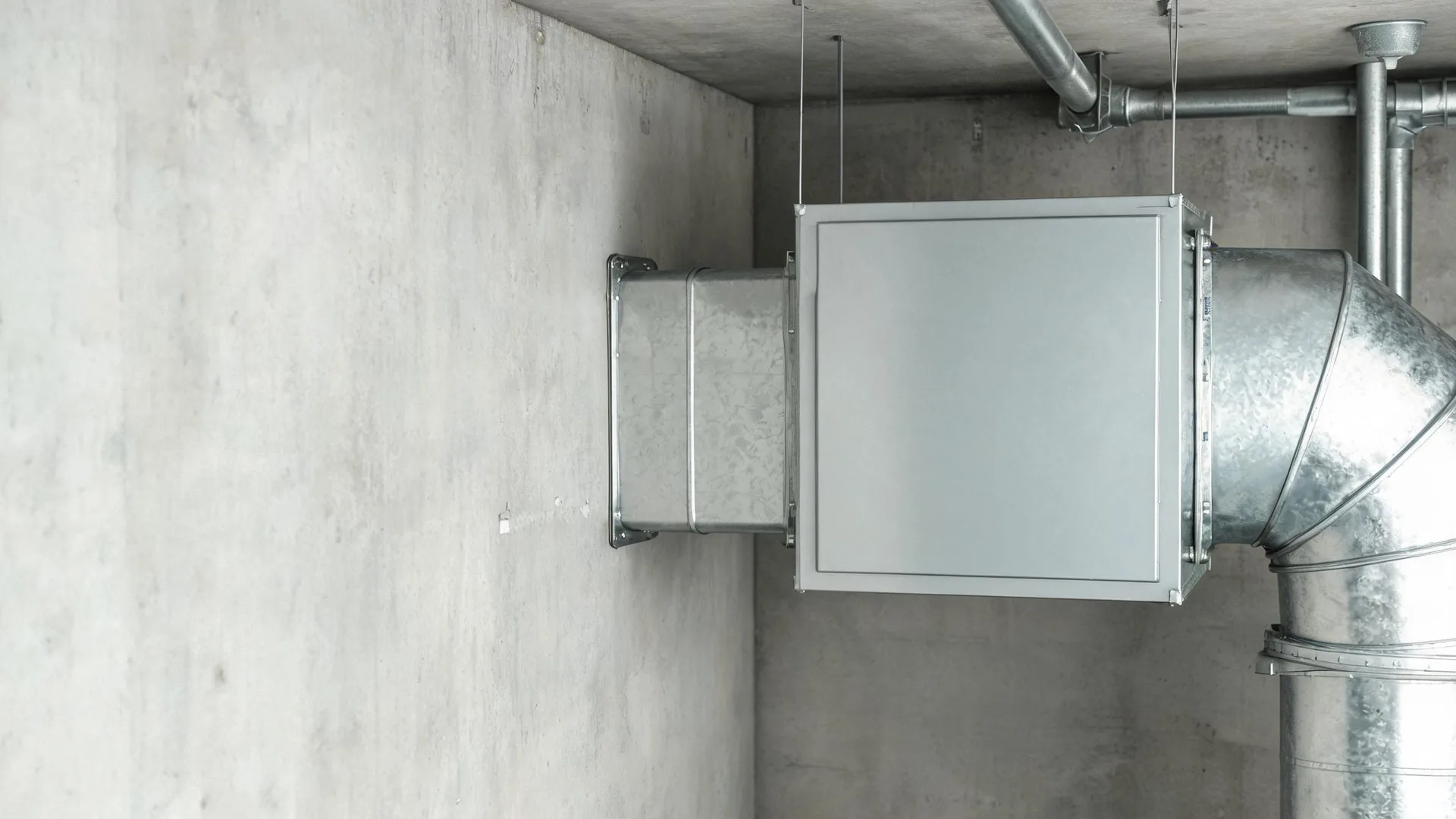
Watch for what a filter can't fix

A system that's short on airflow at the vents, making a new noise, or tripping its breaker needs a tech, not a tighter filter schedule. Ice on the lines, water pooling near the indoor unit, or a smell when it kicks on are signs something inside has already gone wrong. Catching these early is what keeps a small repair from turning into a compressor replacement.

Overhead view of an outdoor AC condenser unit on a concrete pad next to a house with a dark shingle roof.

Book your AC tune-up in May, before homes here start needing cooling in June.

  1. Jan
  2. Feb
  3. Mar
  4. Apr
  5. May
  6. Jun
  7. Jul
  8. Aug
  9. Sep
  10. Oct
  11. Nov
  12. Dec

A tune-up checks the refrigerant charge, cleans the coils, tests the capacitor and tightens the electrical connections.

A tune-up also covers things a homeowner would never think to check. The condensate drain gets cleared, since algae and dirt build up inside that line and the blockage has nowhere to go but back into the pan, or onto the floor next to it. The blower wheel gets looked at for dust caked on the blades, because a dirty wheel moves less air even when the motor is working just as hard as ever. Outside, the fan motor gets checked for play in the bearings, which starts as a faint wobble and ends as a motor that seizes mid-summer. The contactor gets inspected too, since the points inside pit and burn with use and a pitted contactor can stick or fail to close at all. A tech also checks that the system cycles on and off the way it should, since short cycling wears the compressor long before its time.