An outdoor air conditioning condenser unit mounted on a concrete pad next to a blue-sided residential house at sunset.

AC Maintenance in Atlantic City, NJ

Tell us about the job

Takes about a minute. No obligation.

Tune-up, service, or cleaningCentral ACAtlantic County, NJ
Step 1 of 2

What ZIP code is the job in?

Electricity here runs 19.34 cents a kilowatthour

New Jersey power costs more than it does in most states. A system that has to work harder to cool your house, because the coil is dirty or the charge is low, pulls more of that expensive power every hour it runs.


A dirty or low system runs longer to do the same job

Your AC does not know it is inefficient. It just keeps running until the house hits the temperature on the thermostat, so a neglected unit racks up more hours and more kilowatthours, at a higher rate, all summer.

4 months
June through September, your air conditioner is on duty
84°F
the average summer afternoon it cools against
9 hail events
in ten years, and hail bends the fins on outdoor coils
106 wind events
in ten years, and wind drives debris into outdoor units
Isometric line illustration of a cutaway house showing interior rooms with furniture, ceiling ductwork, an indoor air handler, and an outdoor condenser unit connected by lines.
Your air conditioner works hardest from June through August.

NOAA nClimDiv, 1991–2020 normals

Your AC only has to work June through September here.

One visit before June covers the four months it actually runs.

June is the first hot month here. May is when the check happens.

Cooling runs June through September
Summer afternoons average 84°F
106 damaging wind events from 2015 to 2024
Half these homes are older than the AC standards you'd expectHalf of Atlantic County was built in 1978 or earlier, and a system that old has had years to drift out of tune.

A tune-up before summer is cheap insurance against that rate. A technician cleaning the coil and checking the charge is making sure your AC does not have to work harder than it needs to once the heat sets in. A dirty coil or a low charge will not fix itself once the system is running every day. Catching it ahead of time means the unit runs as efficiently as it was built to, instead of pulling extra power at 19.34 cents a kilowatthour for a problem nobody looked at.

A tune-up pays for itself here

A neglected system uses more power, and power costs more here. A tune-up pays for itself.

Find a contractor
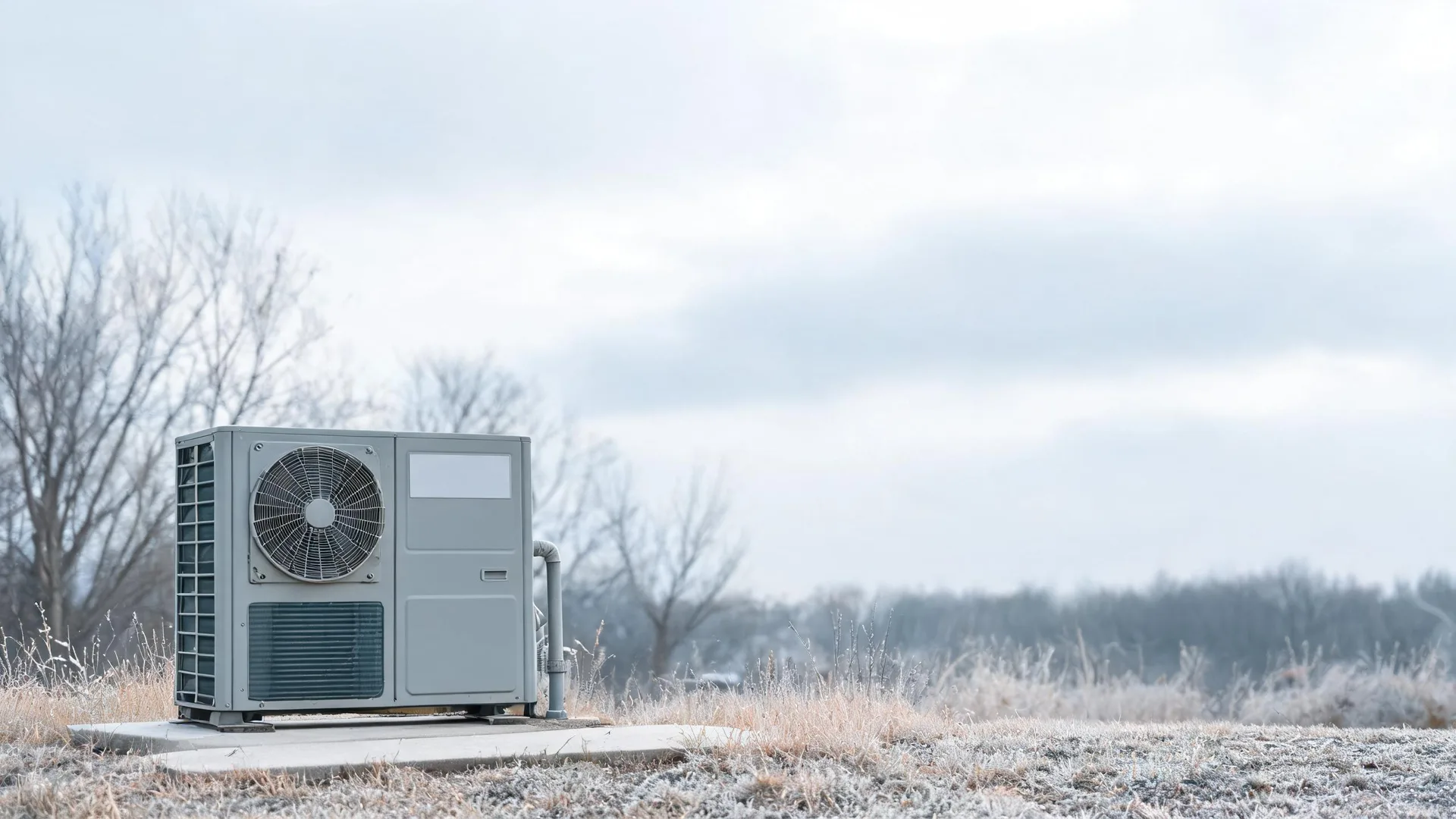
An outdoor air conditioning condenser unit mounted on a concrete pad beside a house, with electrical conduit running to a wall-mounted disconnect box.

What you can check without opening the cabinet

Between visits, keep the area around the outdoor unit clear. Grass clippings, leaves and mulch pile up against the cabinet and choke off airflow to the coil, which makes the system work harder than it should. A couple feet of open space on every side is enough. Check the air filter and swap it when it looks gray or clogged. A blocked filter starves the system of airflow, and the evaporator coil behind it can ice over if that airflow drops too low. Look at the drain line near the indoor unit once in a while. It should be dripping or at least damp when the system runs. If it is bone dry, algae or dirt may have blocked the line, and that water has to go somewhere once it backs up. None of this replaces a technician going inside the cabinet, checking refrigerant charge and testing electrical components, but keeping the coil clear and the filter clean is what you can do yourself to keep the system from losing ground before someone looks at it.

The refrigerant charge, checked with gauges

A system low on refrigerant still blows cold air, so nothing feels wrong at the vent. But it has to run longer to pull the same heat out of the house, and a compressor working against a low charge wears out faster than it should. You can't see the charge. A gauge set reading pressures is the only way to know it's right.

Electrical wear inside the cabinet

Capacitors weaken over years of starting and stopping the compressor and fan, and a weak one can still get the system running most days before it finally fails on the hottest afternoon of the year. A technician tests capacitor strength and checks contactor points for pitting, both hidden behind the panel, both the kind of thing that works fine until the day it doesn't.

An outdoor air conditioning condenser unit installed beside the exterior wall of a blue vinyl-sided house at sunset.

Book your AC tune-up in May, before homes here start needing cooling in June.

  1. Jan
  2. Feb
  3. Mar
  4. Apr
  5. May
  6. Jun
  7. Jul
  8. Aug
  9. Sep
  10. Oct
  11. Nov
  12. Dec

A tune-up checks the refrigerant charge, cleans the coils, tests the capacitor and tightens the electrical connections.

A tune-up is the coil, the charge and the electrical parts, in that order. The outdoor coil gets washed clean of the dirt and grass that built up over the year, because a coil caked with debris cannot shed heat the way it was designed to. The refrigerant charge gets checked against the system's specs, not guessed at, since too little or too much both make the compressor work harder than it should. The technician also checks the blower, the one moving air across the indoor coil, to be sure it is pushing the airflow the system needs. Capacitors get tested under load rather than just looked at, because a weak one can still start the compressor on a cool day and fail outright on a hot one. Electrical connections inside the cabinet get tightened and checked for pitting, the kind of wear that sits hidden until it causes a breakdown. None of this is guesswork. It is the same handful of checks, done the same way, on every system that gets one.