





A row of illuminated white colonial houses with black shutters and a stone wall along a road at dusk.

AC Maintenance in Salem, NJ

Tell us about the job

Takes about a minute. No obligation.

Tune-up, service, or cleaningCentral ACSalem County, NJ
Step 1 of 2

What ZIP code is the job in?

Electricity in New Jersey ran 19.34 cents per kilowatthour in 2024. That's a real number on every bill, and it's higher than what a lot of the country pays. A dirty coil or a low charge makes the compressor work harder to do the same job, and that extra work shows up as extra kilowatthours at that rate all season. A unit running clean does not have to fight itself to cool the house. Over a season that difference is worth catching early, not after a summer of bills.

4 months
June through September, your air conditioner is on duty
85°F
the average summer afternoon it cools against
6 hail events
in ten years, and hail bends the fins on outdoor coils
73 wind events
in ten years, and wind drives debris into outdoor units
Isometric line illustration of a cutaway single-story building showing interior rooms, ceiling ductwork, an indoor air handler, and an outdoor condenser unit connected by a line set.
Your air conditioner works hardest from June through August.

NOAA nClimDiv, 1991–2020 normals

June is when cooling starts working hard in Salem County.

A May checkup catches a weak capacitor or low charge before that first hot stretch runs it hard.

Half the homes here were built by 1962, old enough that the AC has been replaced at least once

Half the homes here were built by 1962
Cooling runs June through September
Summer afternoons average 85°F

Cooling runs about four months here, June through September. One checkup before that stretch starts is enough to cover it. The compressor and coil only see heavy work in those months, so there's no system running hard the rest of the year that would call for more. Salem County sees its share of damaging wind too. After a storm like that, it's worth a look at the outdoor unit for bent fins or debris before the next hot stretch asks it to work.

Get it checked before the cost shows up on a bill

A clean coil and a correct charge mean the compressor isn't working harder than it has to on every kilowatthour this summer. Get that checked before the heat sets in and it's covered for the months that matter.

Find a contractor
A gray metal air conditioning condenser unit mounted on a concrete pad in a flat grassy field under a partly cloudy sky.

The signs it's asking for a check

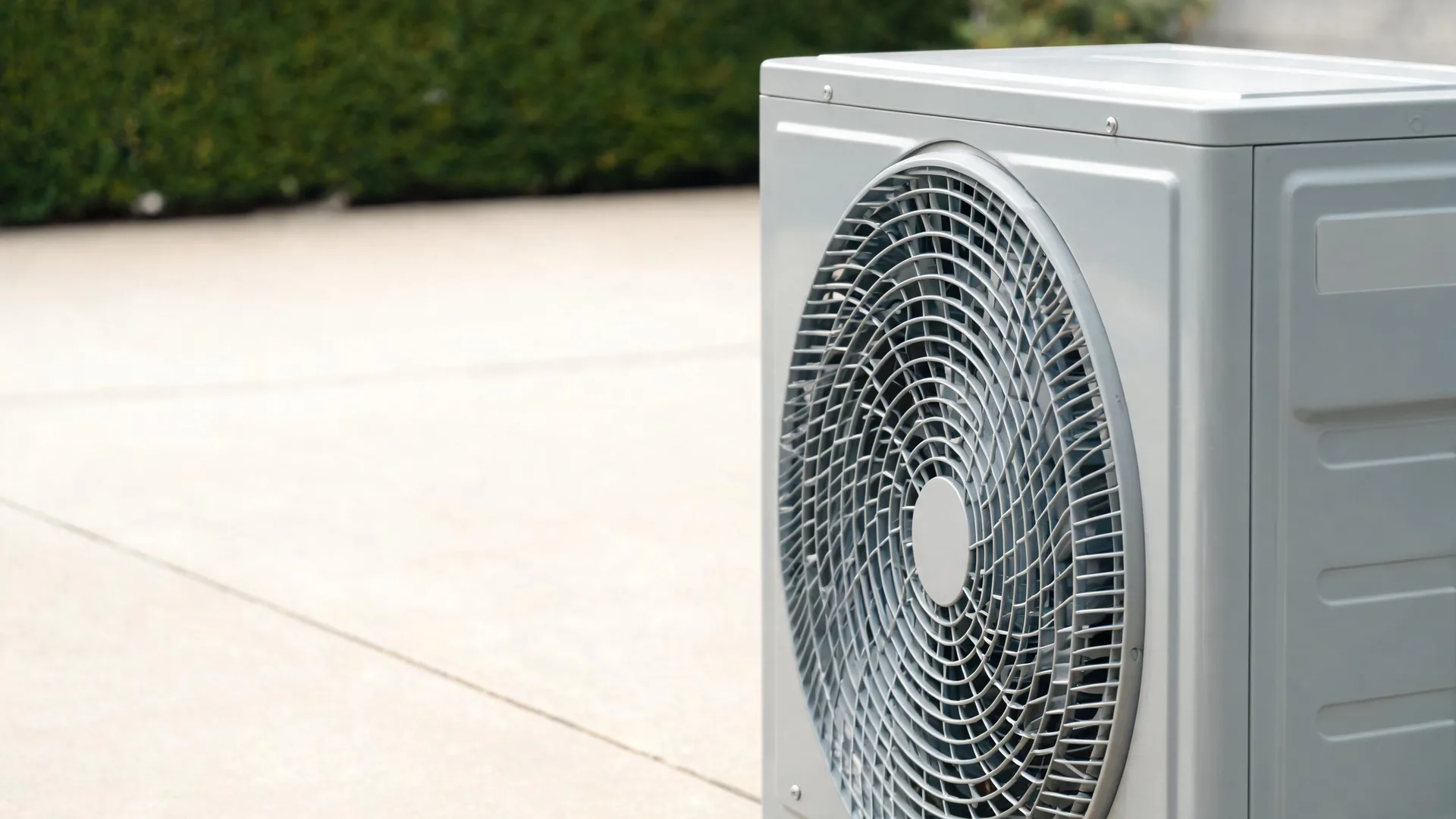
An air conditioner gives you signs before it fails outright. Warm air from the vents when the thermostat is set low usually means the compressor is struggling or the charge is low. Short cycling, where the unit shuts off a few minutes after it starts, puts strain on the compressor every time it happens. Ice on the outdoor unit or the refrigerant lines points to airflow trouble or a charge problem, not something to run through and wait out. A hissing or bubbling sound from the lines usually means refrigerant escaping somewhere in the system. Water pooling near the indoor unit means the condensate drain is clogged, and left alone that backs up and damages the coil or the surrounding structure. None of these wait for a convenient time to show up, and none of them get better by running the system through them.

The coil gets dirty before anyone notices

Dust and grime build up on the coil slowly, and a dirty coil can't move heat the way a clean one does. The system still runs, still blows cold air, so there's nothing telling you to look. By the time the house feels the difference, the compressor has been working harder for a long stretch already.

A small refrigerant leak doesn't fix itself

If the charge is low, it stays low until someone finds the leak and adds refrigerant back. Running the system on a low charge forces the compressor to work outside what it was built for, and that kind of strain shortens how long the compressor lasts. Catching it early is a small fix. Catching it late can mean replacing the compressor instead.

Overhead view of an outdoor AC condenser unit on a concrete pad next to a house with a dark shingle roof.

Book your AC tune-up in May, before homes here start needing cooling in June.

  1. Jan
  2. Feb
  3. Mar
  4. Apr
  5. May
  6. Jun
  7. Jul
  8. Aug
  9. Sep
  10. Oct
  11. Nov
  12. Dec

A tune-up checks the refrigerant charge, cleans the coils, tests the capacitor and tightens the electrical connections.

A tune-up starts outside at the condenser. The tech pulls the panel, checks the capacitor's output against what it's rated for, and looks at the contactor for pitting, since both wear out from simple on-off cycling over the years. The coil gets washed clean of the dust and grime it collects, because that's what lets it move heat the way it's supposed to. Refrigerant charge gets checked against the system's target pressures, not just topped off by guess. Indoors, the tech checks the blower wheel for dust buildup and confirms airflow across the coil is where it should be. The condensate drain gets cleared, since that's what backs up and causes water damage when it's ignored. Last, the system runs through a full cycle so the tech can watch how it actually performs, not just how it looks sitting still.