Electricity here runs 19.34 cents a kilowatthour
New Jersey power costs more than it does in most states. A dirty coil or a low charge makes the compressor work harder to do the same job, and every extra minute it runs gets billed at that rate.
Takes about a minute. No obligation.
New Jersey power costs more than it does in most states. A dirty coil or a low charge makes the compressor work harder to do the same job, and every extra minute it runs gets billed at that rate.
A system that's losing efficiency doesn't announce itself. It just runs longer to hit the same temperature, and in Vineland that difference costs more than it would somewhere with cheaper power.

NOAA nClimDiv, 1991–2020 normals
Warm air still coming from the vents a few minutes after the system kicks on is a sign the charge is low.
A tech checking it now means catching a slow leak before the compressor has to work through a whole summer on it.




A tune-up is where that higher electric rate actually gets addressed. A tech cleans the outdoor coil, checks the refrigerant charge, and makes sure the system isn't running longer than it needs to just to hit the thermostat setting. None of that shows up by looking at the unit from across the yard. It shows up on the meter, month after month, until someone checks it. Scheduling that check before the system runs flat out all summer is the one thing that actually changes what this machine costs to run in Vineland.
A neglected system uses more power, and power costs more here. A tune-up pays for itself.
Find a contractorThe filter is the one part that's on the homeowner, not the tech. Pull it out once a month during the season and hold it up to a light. If you can't see light through it, it's blocking airflow, and the system has to run longer to push air through a dirty filter, which is the same thing as it working harder to cool the same room. Rinse the coils you can reach from outside with a hose, not a pressure washer, just enough to knock off grass clippings and cottonwood fluff. Keep the area around the outdoor unit clear, a couple feet on every side, so it isn't pulling air through weeds or drawing in mulch. Beyond that, leave it alone. Opening the cabinet, touching the refrigerant lines, or trying to true up the fan blade yourself is how a small job turns into a bigger one.
A system can be low on refrigerant and still blow cold air at the vent. The only way to know the charge is right is to connect gauges and read the pressures against what that system is supposed to run. A slow leak can go a full season before the cooling loss is obvious, and by then the compressor has been working harder the whole time.
The capacitor that starts the compressor and the contactor that feeds it power don't wear out gradually. They hold their rating until they don't, and then the system doesn't start at all. A tech checks the capacitor's output against its rating and looks at the contactor contacts for pitting, because both are near the end of their life long before they quit.
A tune-up checks the refrigerant charge, cleans the coils, tests the capacitor and tightens the electrical connections.
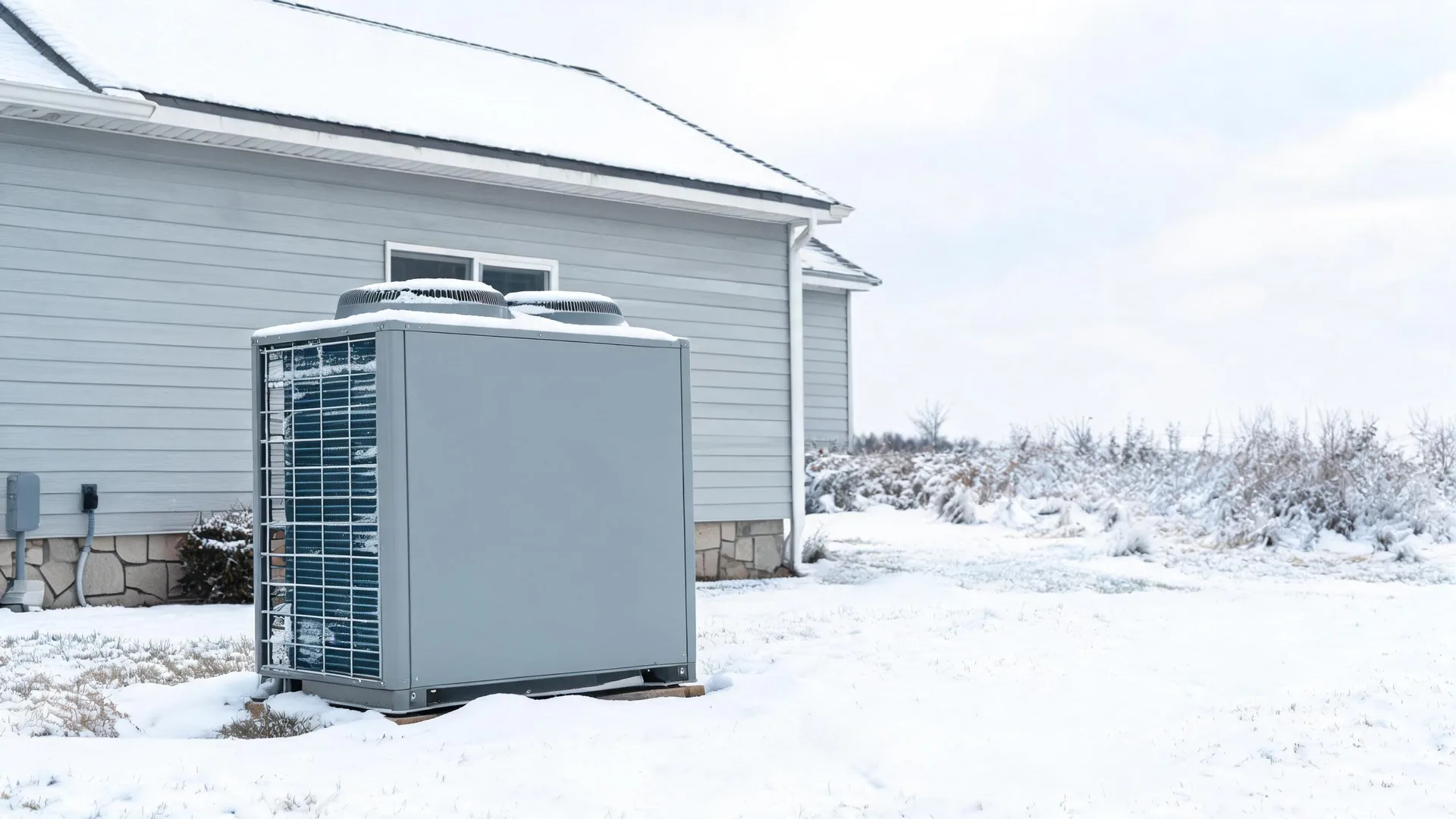
A tune-up starts outside, at the condenser. The tech cuts power to the unit, pulls the panel, and cleans the coil fins with a brush or low-pressure rinse, because a coil caked with grass and dirt can't shed heat the way it's supposed to, and the compressor runs longer to make up for it. From there it's the fan motor and blades, checked for wobble or a bearing that's starting to go. Inside, the evaporator coil gets a look too, along with the blower wheel, since dust buildup there chokes airflow the same way a dirty filter does. The tech checks the refrigerant charge against the pressures that system should be running, tests the capacitor and contactor, and tightens electrical connections that work loose from the unit vibrating all season. Last comes a check of the drain line, so condensation has somewhere to go instead of backing up. None of this fixes a problem that's already there. It's how a tech catches the one that's about to be.