





Is a mini split worth it in a New Jersey home

New system or replacementMini-splitNew Jersey
Step 1 of 2

What ZIP code is the job in?

Is a mini split actually worth it in a New Jersey home?

You've got the mini split in already, and now summer's stuck around or the heating bill came in, and you're wondering if the thing actually earns its keep or if you got talked into a box on the wall. Most people around here still think of gas as the main heat and the mini split as something extra, so it's fair to ask what it's really doing for you and whether it was worth putting in.

Yes, especially for the rooms your main system struggles to cool or heat

A mini split earns its keep in a New Jersey home because it does one thing very well: it controls the temperature in a specific room without running the whole house through the ductwork. In a sticky Jersey summer, that means the bedroom upstairs or the sunroom that your central air never quite reaches gets cooled directly, fast, and stays that way. Since most homes here heat with gas, the mini split usually isn't replacing your furnace, it's covering the gap your heating and cooling system leaves behind. And because electricity here costs more than in most states, running one unit for one room, instead of conditioning air for a space nobody's using, is where the savings actually show up.

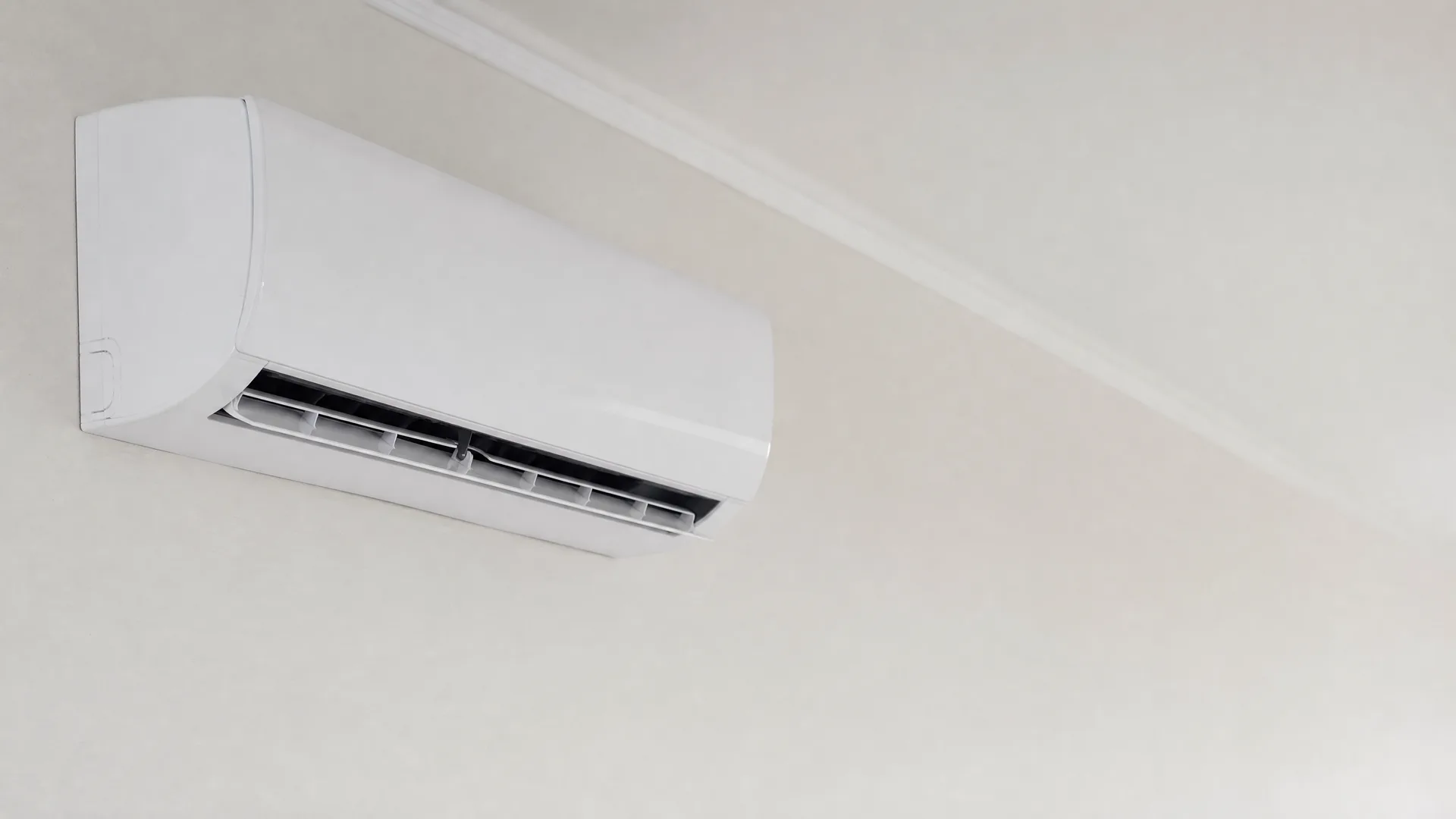
A white wall-mounted mini-split air conditioner indoor unit installed near the ceiling on a plain beige wall.

What it does in July and August

A mini split cools the room it's in directly, with no ductwork losing air along the way. On a sticky New Jersey afternoon, that means the bedroom or the addition it's serving gets cold fast and stays there. If the rest of the house runs on a central system that struggles to keep up, the mini split picks up the slack in whichever room you put it, without the central unit running longer to compensate.

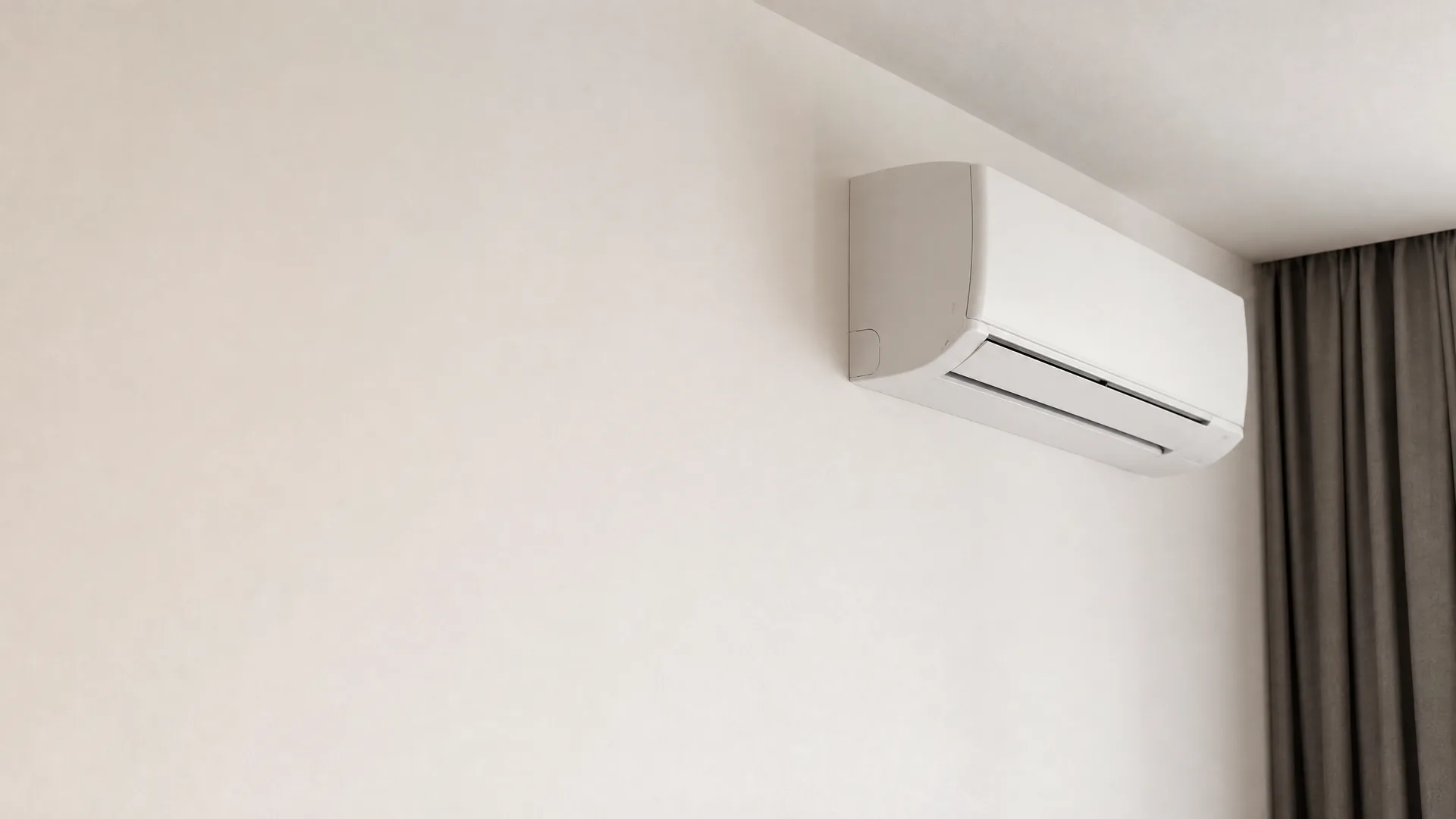
A white wall-mounted mini-split air conditioner on a plain off-white interior wall, with a gray curtain at the right edge.

What it does the rest of the year

Most homes here heat with gas, and a mini split doesn't replace that furnace. What it does is let you heat or cool one room without running the whole system for it. A chilly October evening or a stretch where only one room needs attention doesn't mean firing up the furnace for the whole house. With electric rates as high as they run in New Jersey, that difference shows up on the bill.

Where a Mini Split Pays Off

Where it earns its keep

  • A room or addition that never had ductwork gets real heat and air conditioning without tearing open walls.
  • Most homes here heat with gas, so a mini split in one zone cuts the gas furnace's load without replacing it.
  • You can hold a bedroom at a different temperature than the rest of the house, which a single central thermostat can't do.
  • Power in New Jersey runs among the most expensive in the country, and a mini split only moves heat into the one room it serves, not the whole house.
  • Rooms over a garage or at the end of a duct run that always ran warm or cold tend to even out once the mini split is doing the work directly.

Where it falls short

  • It only conditions the room or rooms it's installed in, so the rest of the house still depends on whatever's heating and cooling it now.
  • If the gas furnace and central air already reach every room evenly, a mini split in one spot won't change the bill much elsewhere.
  • The indoor and outdoor units sit in view, on the wall and against the house, in a way a vent or register doesn't.
  • A mini split still needs its filter cleaned and its outdoor unit kept clear of leaves and snow, the same upkeep as any other system.
  • If the one zone it's serving is small, the difference it makes on a sticky August day may be the only place you notice it.
A woman in a gray sweatshirt with her hair pinned up sits in a living room looking off to the side, with a pale sectional sofa, cushions, a potted plant, framed wall art and a large window behind her.
A woman with long wavy brown hair in a gray top and dark cardigan stands near a window, looking to the side, with a living room, fireplace and round mirror blurred behind her.
A woman with curly dark hair in a grey long-sleeved top sits on a grey couch with patterned cushions, looking off to the side in a softly lit living room.
A woman in a gray knit sweater with her hair in a bun sits on a couch indoors, smiling and looking off to the side, with a dining area and framed picture blurred in the background.

Is yours actually pulling its weight

You notice it most in the room the mini split serves. If that room gets cold fast in July and stays comfortable without the window unit running too, it's doing its job. If you still reach for a fan or a space heater in there, something's off. Check the outdoor unit too. A fan that won't spin, ice building up on the coil in summer, or a short cycle where it kicks on and off every few minutes all mean it's working harder than it should. Left alone, that extra strain shortens how long the unit lasts and keeps the power bill higher than it needs to be, especially with what electricity costs in New Jersey.

A white wall-mounted mini-split air conditioner installed high on a beige interior wall near the ceiling molding, with a light curtain and curtain rod at the left edge.

Running the way it should

A mini split that's earning its keep looks like this: mounted clean near the ceiling, blowing cold air fast once you turn it on, no rattle, no smell. The room it serves stays comfortable even when the rest of the house doesn't. That's the unit doing its one job well.


A wall-mounted mini-split air conditioner indoor unit with a discolored cream plastic casing and dusty outlet vanes, installed high on a plain light-colored interior wall near the ceiling.

Past its best years

Yellowed casing and a film of dust on the vents usually mean years of running without much attention. It might still blow air, but weaker, slower to cool, maybe with a smell when it kicks on. At that point it's costing you more to run than it's giving back.

A dusty white wall-mounted mini-split air conditioner installed high on a beige interior wall below a molded ceiling trim.
Before you get your mini split installation
A white wall-mounted mini-split air conditioner unit installed high on a light gray interior wall near the ceiling, with a white-framed window and green foliage visible at the left edge.
After you get your mini split installation

Finding a pro stops being your job

One installer gets your project, so there's no bidding war over it.

Sending the form costs nothing.

Single-story house with cream vinyl siding, gray shingled gable roof, small front porch with gray door, shuttered windows, and an outdoor AC unit, fronted by a partly dry lawn under a clear blue sky.

A dew point averaging 63°F across June, July and August is what makes a New Jersey summer feel heavy even on a day that isn't that hot. That's the air your mini split is pulling moisture out of every time it runs. A mini split doesn't just cool, it dries the air in the room it serves, so the bedroom or addition it covers can feel noticeably less sticky than the rest of the house even at the same temperature. If it's keeping up, you'll notice the air in that room feels lighter, not just cooler. If it isn't, the room stays cold but still feels damp.

NASA POWER T2MDEW county cells weighted by homes

A white wall-mounted mini-split air conditioner installed near the ceiling on a light-colored interior wall, with a window and green foliage visible at the left edge.
Mounted clean and running quiet, the coil hidden behind that front panel pulling moisture out of the air without a struggle.
A dusty white wall-mounted mini-split air conditioner indoor unit installed high on a beige interior wall below a white ceiling and trim.
A clogged filter and a dirty coil make the unit work harder for less cold air, and the room it serves never quite catches up.
  1. Refrigerant leaves the outdoor compressor and travels inside through a thin copper line.

  2. Indoor air gets pulled across the cold coil behind the front panel.

  3. The coil pulls heat and moisture out of that air as it passes.

  4. A blower pushes the cooled, drier air straight into the room.

A woman with her hair in a bun holds a sleeping boy against her shoulder, both wrapped in a thick cream knit blanket on a couch in a dim room with a lit lamp, potted plants and a shelf behind them.
A smiling older woman with gray shoulder-length hair in a cream cable-knit turtleneck sweater stands behind a wooden board holding a round loaf of bread, in a warmly lit kitchen with a dark window and shelves behind her.

One zone versus the whole house

A mini split handles the room or addition it's mounted in. It won't touch the bedroom down the hall or the basement that never gets cool. If your gas furnace and central air already cover most of the house evenly, the mini split is there for the one space that's always been the problem, the sunroom, the converted garage, the room over the garage that the ductwork never reached. Asking it to do more than that isn't fair to the unit or to you. Judge it on that one room, not on the house as a whole, and it's a different answer.

What it's replacing matters

If the mini split is standing in for a window unit, the comparison is easy. It cools faster, runs quieter, and you're not hauling anything in or out of a window every spring and fall. If it was sold to you as a way to cut your whole heating bill while your gas furnace still runs the rest of the house, that's a harder case to make. It's one zone. It can take some load off the furnace in the room it serves, but it was never going to replace it, and judging it against that promise will always come up short.

Power costs 22.48 cents per kilowatt-hour statewide

At 22.48 cents per kilowatt-hour, every hour your mini split runs shows up on the bill fast. That's also why it's worth running only where you need it. Close it off in a room nobody's using and let the gas furnace or central air handle the rest.

EIA-861 2025 statewide residential average

A mini split earns its keep in New Jersey when it's doing the one job it's built for: keeping the room it serves comfortable without running up the bill that comes with a system this state's power rates make expensive to misuse. If yours is doing that, it was worth putting in. If it's struggling, rattling, or leaving that room muggy anyway, something's off, and it's worth having a local tech look at it rather than living with it through another summer. If you request service, you're matched with one licensed contractor near you, not a handful of companies competing for the callback. Someone who works on these units all season knows what usually goes wrong, a dirty coil, a clogged filter, a refrigerant charge that's drifted, and can tell you fast whether yours needs a repair or just a cleaning. Either way, you'll know where you stand instead of guessing every time the bill comes in.

A dark standing-seam metal roof with a stone chimney in the foreground, backed by mixed forest in autumn color and cloud-covered mountain ridges under an overcast sky.

Let someone else find the pro

Hand off the search

You're not committing to anything by asking.

A mini split that's not pulling cold air fast or cycling too much isn't a small thing to live with once power rates here factor in. Getting it checked now means you're not paying for a unit that's struggling through another New Jersey summer.