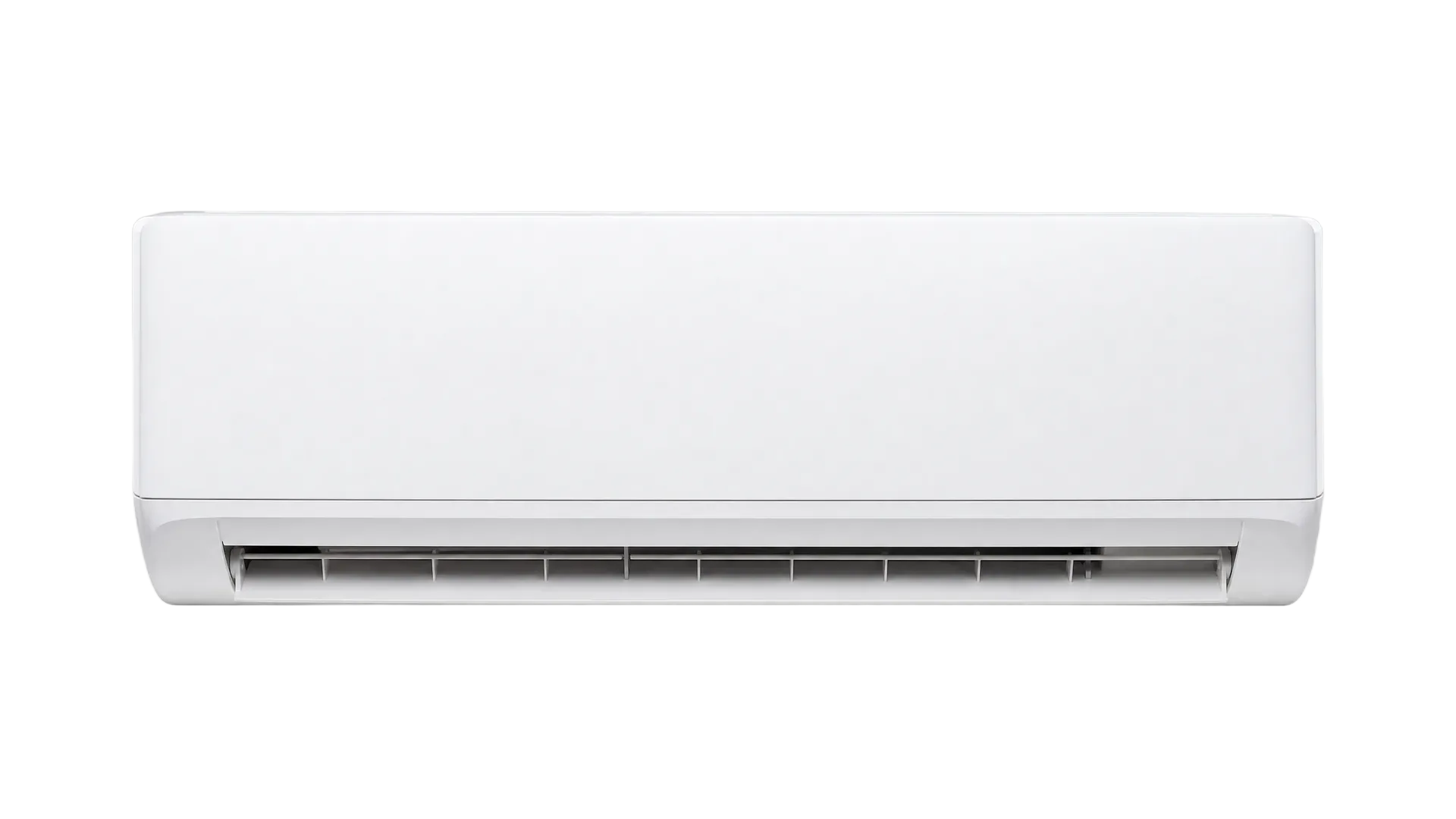
One head cools one zone
A single indoor unit handles the room it's in and maybe the one next to it with an open floor plan. Bedrooms down a hall or a finished basement need their own head to stay comfortable in July.
You've got a mini split and New Jersey summers get sticky enough that you're wondering if it can actually keep the whole house comfortable, or if you're going to need something more once August hits.
A single mini split head cools the room it's in and maybe the space right around it. It doesn't push air through ducts, so there's nothing carrying that cold air to the rest of the house. A one bedroom apartment or a finished basement, fine. A full New Jersey home with separate bedrooms upstairs and a living area downstairs, no. That takes a multi-zone system, with an outdoor unit sized for the whole house and an indoor head in each room that needs one. Get that wrong and you'll feel it in July, with one room ice cold and the rest of the house still sticky, and the outdoor unit working harder than it should on power bills that are already high here.




A single indoor unit handles the room it's in and maybe the one next to it with an open floor plan. Bedrooms down a hall or a finished basement need their own head to stay comfortable in July.
A contractor who knows New Jersey summers will size each zone to the room it serves and account for how your home holds heat, so the system you get actually keeps up when it's humid outside.
If you've got one or two heads running, you've probably already noticed which rooms stay cool and which ones don't. Maybe the living room feels fine but the bedrooms upstairs are warm by evening, or the basement never quite catches up on the muggiest days. That gap usually means the house is asking for more capacity or another head than what's installed now. Left alone through another New Jersey summer, the rooms without coverage stay hot and humid, windows fog or sweat, and anyone sleeping in those rooms deals with it night after night. It's not a sign anything is broken. It's a sign the system was sized for less house than you have.




Getting a mini split system sized right for your whole house usually means more than one contractor visit to even get a straight answer, since sizing depends on how your rooms are laid out and where the heads go, not a guess at square footage. You could spend a few evenings calling around, explaining the same thing about your current setup to each one, then trying to compare quotes that are not quite measuring the same job. With power costs in New Jersey among the highest in the country, an undersized or poorly placed system keeps running and keeps costing you, so getting the load calculation right the first time matters more here than somewhere with cheaper electricity. A local contractor who installs mini splits every summer here has seen which rooms in houses like yours tend to get missed, the finished basement, the bedroom at the end of the hall, and sizes for that instead of for the floor plan on paper. Handing this off means one contractor looks at your actual house, not five guesses at it.
If your current heads are working fine and it's just a bedroom or a finished basement that runs warm, a contractor can add a head or extend to a multi-zone setup off the existing outdoor unit. This works when the outdoor unit has the capacity to spare and the line set runs aren't too long. A local installer who sizes these for a living can tell you from the model number and a look at the layout whether your system has room to grow or whether it's already maxed out.
If the heads you have were undersized from the start, or the outdoor unit is already running at its limit, adding on won't fix the rooms that stay hot. A full reinstall means a real room by room load calculation and heads placed where your house actually needs them, not where the last system happened to put them. It costs more up front than adding a head, but it's the only path when the bones of what's there can't support the house you're trying to cool.
At 22.48 cents a kilowatt-hour, every head you run matters more here than it would almost anywhere else. A mini split sized right for each room earns that cost back by not fighting to cool space it was never set up for. One undersized to your whole house just burns power without catching up.
EIA-861 2025 statewide residential average
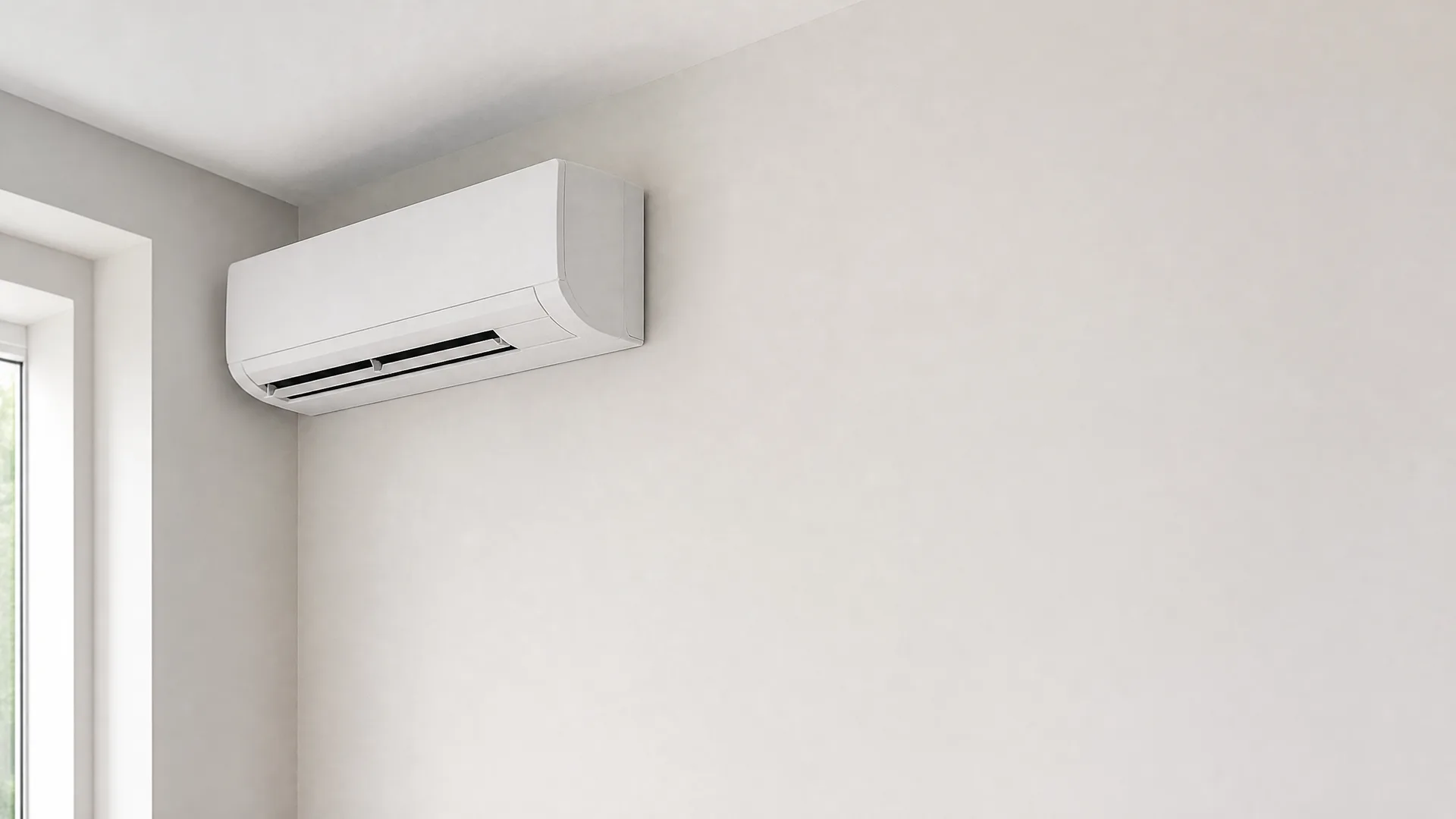
A single-zone mini split tied to one outdoor unit was likely sized for the room it sits in, not the house around it. It can run flat out all day and the bedrooms at the far end still won't match it. That's not a sign anything is broken. It's a sign the system was never asked to cover that much ground in the first place.
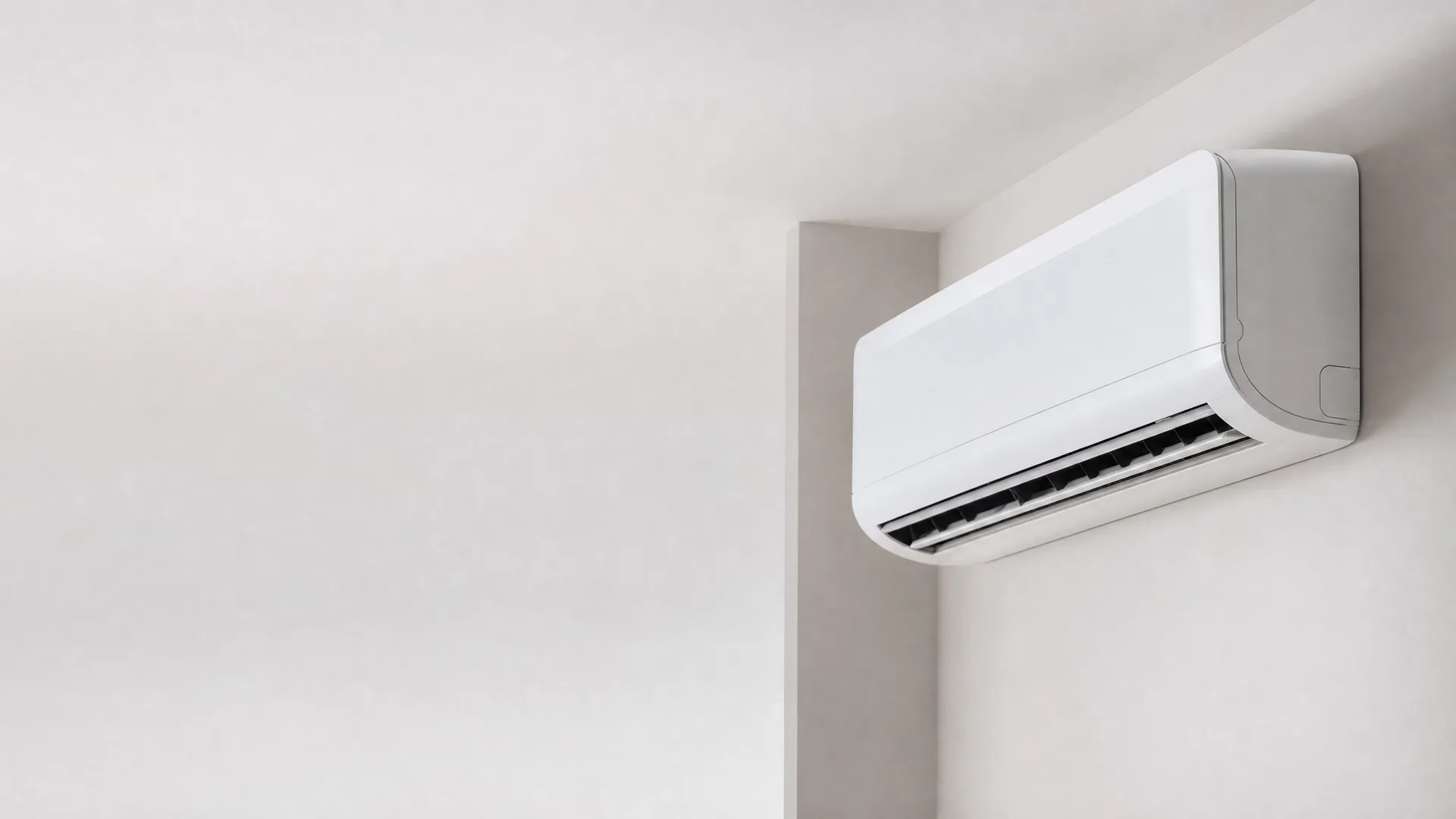
A multi-zone system planned room by room, with heads placed where the load actually falls, can carry a whole New Jersey house through a humid summer without one room fighting the rest. Gas still handles the heat most winters, so the mini split's job stays cooling, and sizing it for that job alone is simpler than trying to cover both.
A mini split can cool your whole New Jersey house, but only if it was sized and placed for every room you want covered, not just the one the first head happened to go in. One undersized head will lose that fight every August no matter how well it runs. The fix isn't a bigger unit, it's the right number of heads in the right rooms, planned around how your house actually splits up, with the load worked out room by room instead of guessed at. A contractor who installs these year round in New Jersey homes can walk your rooms, see where the heat collects, and tell you whether what you have needs another head, a second zone, or just a cleaning. Get that part right and the system stops straining and starts holding every room even, through the sticky months and the cheaper ones, without running up a power bill that's already among the highest in the country.


Skip the search
Your request goes to one pro, not a list of companies.
