

Can a mini split heat a New Jersey home in winter

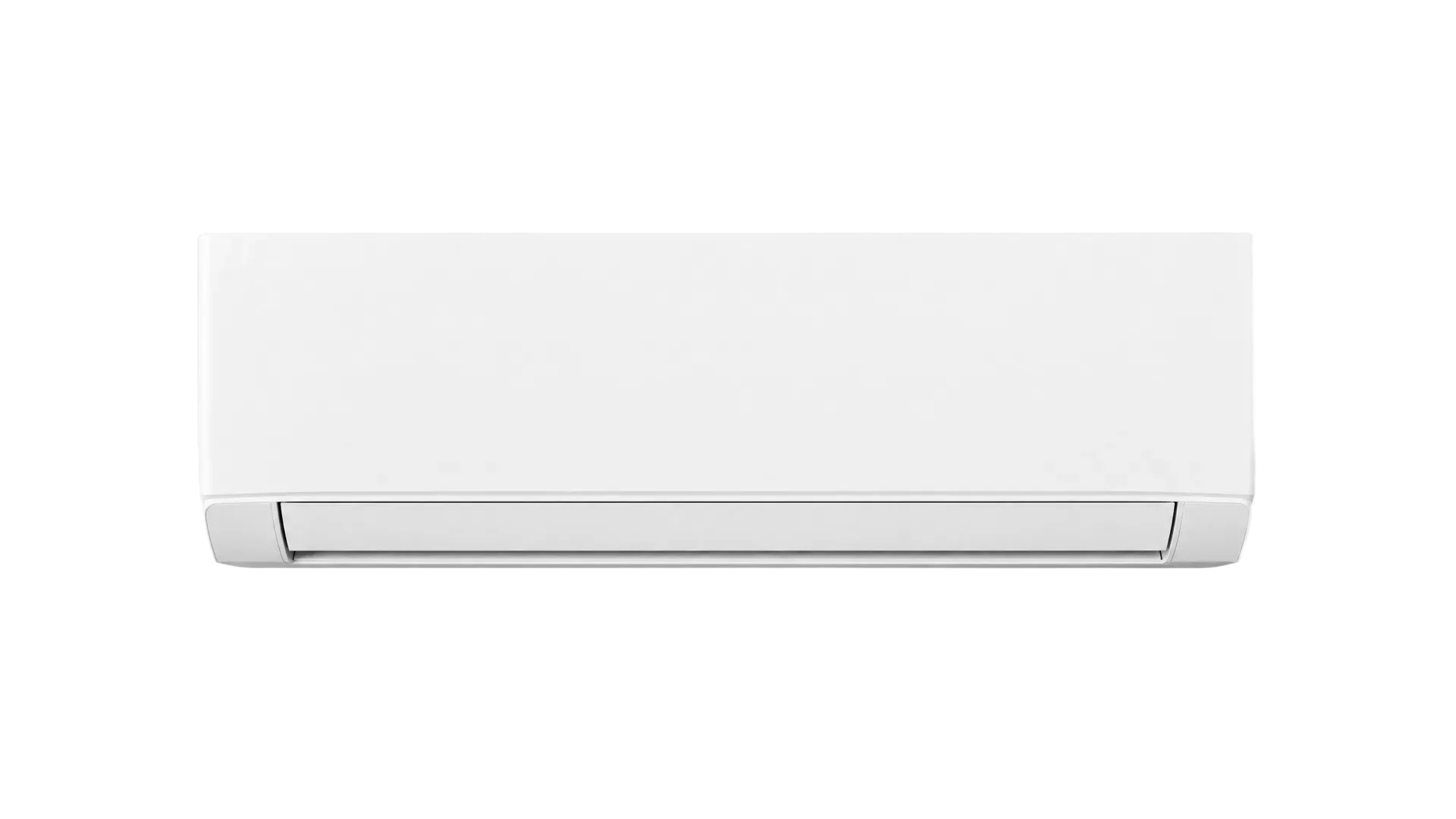
A white wall-mounted mini-split air conditioner indoor unit shown straight-on against a plain light gray background.
Get matched

A mini split can heat a New Jersey home in winter, but it has to be sized and set up for cold weather, because standard models lose capacity as the outdoor temperature drops. Modern cold-climate mini splits keep producing heat down into single digits, pulling warmth out of outdoor air even when it feels like there's none left to pull. Below that, output falls off and the unit may need backup heat to keep the house comfortable on the coldest nights. Most homes here already heat with gas, so a mini split usually isn't replacing the furnace. It works alongside it, covering the mild stretches of fall and spring well and carrying its share of the cold months too, while the furnace handles the rest. Whether that balance works for your house comes down to how the system is sized and installed, not just which brand you buy.

A woman in a cream knit sweater sits in an armchair with her eyes closed near a window showing yellow autumn foliage, with a mug on a round wooden side table beside her.
A gray-haired man with a beard in a blue button-placket shirt reclines on a couch with his eyes closed, beside a sunlit window with a green plant.

What a cold climate unit does

A standard mini split starts losing heating output somewhere around freezing, and by the time it's in the teens it may not keep up at all. A cold climate model uses a different compressor design that keeps pulling heat out of outdoor air well below zero. On a January night in New Jersey, that difference decides whether the unit carries the house on its own or just takes the edge off while something else does the real work.


Why most homes keep gas as backup

Most houses in New Jersey already heat with a gas furnace, and when a mini split goes in, that furnace usually stays rather than coming out. On the coldest nights, the furnace can carry the load while the mini split handles the milder stretches more cheaply than electric resistance heat would. Given what power costs here, running a mini split instead of the furnace on the fall and spring days when the house barely needs heat is often where it saves the most.

A woman with long gray hair wrapped in a checked blanket sits on a sofa by a window with yellow autumn foliage outside, with a lamp, framed picture and plant in the background.
An older woman in a cream knit sweater sits on a sofa by a window, looking out at sunlit trees with yellow and orange autumn leaves, with a bookshelf and lamp behind her.
A woman with gray shoulder-length hair in a dark knit sweater sits on a cushioned seat by a window, looking out at yellow autumn foliage, with a living room, armchair, houseplant and framed picture behind her.
An older woman with gray hair in a bun, wearing a cream knit sweater, sits on a sofa with a gray blanket and looks out a large window toward yellow-green autumn trees, with a lit table lamp and dark armchair behind her.

Replacing your furnace outright

Some homeowners look at a mini split for the whole house, not just a room or two. That works in a newer, well-insulated home, but most houses here were built around a gas furnace and ductwork already in place. A cold climate mini split can carry the heating load on its own if it's sized for your square footage and your coldest days, not just a mild one. Gas is cheaper to run here than electric resistance heat, but a mini split isn't resistance heat. It moves heat rather than making it, so the comparison to your gas bill isn't as simple as electric versus gas looks on paper.

Keeping the furnace as backup

Other homeowners add a mini split to one or two rooms and leave the furnace running the rest of the house. This is the easier install and the lower risk one. The mini split handles the space it's in, down to whatever temperature it's rated for, and the furnace covers the rest of the house and backs up the mini split on the coldest nights if needed. You get the summer cooling either way, since that's the other half of what a mini split does, and sticky New Jersey summers are where a lot of homeowners start thinking about one in the first place.

A wall-mounted mini-split air conditioner indoor unit with visible dust and staining, installed on a beige interior wall below white crown molding.
Before you get your mini split installation
A white wall-mounted mini-split indoor unit high on a beige interior wall, with a potted olive-like tree at right and an armchair and window visible through a doorway at left.
After you get your mini split installation

On a January night when the temperature drops into the teens, a standard mini split starts falling behind, and the room it heats will feel it first.

A cold climate mini split sized for your house keeps pace through that same night, so the room stays warm and your gas furnace isn't picking up the slack on its own.

Power costs 22.48 cents per kilowatt-hour statewide

At that rate, every kilowatt your mini split pulls on a cold night costs more here than in most other states. A cold climate unit is worth the extra attention to sizing for this reason alone: an oversized or poorly matched system wastes expensive power, while a properly sized one keeps your bill in check even when it's running hard.

EIA-861 2025 statewide residential average

  1. Refrigerant pulls heat from outside air, even cold air

  2. A compressor squeezes that refrigerant to raise its temperature

  3. The indoor coil releases that heat into your room

  4. A reversing valve lets the system switch between heat and cooling

Why does one room run cold while the rest of the house is fine

If your mini split is only on duty in one room, you'll notice it first on the coldest nights. The unit runs more or less constantly, the air coming out feels cooler than usual, and the room still doesn't hold the temperature you set. That's a sign it's either not rated for the cold or it's undersized for the space. Left alone, you end up leaning on space heaters to make up the difference, which pushes your electric bill up fast given what power costs here. If the mini split is paired with your furnace rather than replacing it, a struggling unit also means that room isn't getting the backup it's supposed to have.

A two-story house with gray and light gray siding, white-trimmed windows and a white front door, flanked by deciduous trees, with a partly browned lawn in front under a clear blue sky.

Summer here isn't just hot, it's heavy. Average out a June, July and August day across New Jersey and the dew point sits at 63°F, the figure that tells you how much moisture is actually in the air, from NOAA climate records. That same mini split keeping you warm in January is also what pulls that moisture out come summer, and a unit sized right for cold weather heating handles that load without running longer than it should. Get the sizing wrong either direction and you'll feel it both seasons, a room that stays sticky in August or one that can't keep up in January. A local contractor who installs these year round in New Jersey homes knows how to size for both at once, not just the season you called about.

NASA POWER T2MDEW county cells weighted by homes

The right pro for this job

One installer gets your project, so there's no bidding war over it.

It costs nothing to send, and you don't have to hire anyone.

A white wall-mounted mini-split air conditioner unit installed high on a plain beige wall near the ceiling, with empty wall space to the right.

Running a mini split alongside gas heat

Most houses here already have a gas furnace and ductwork doing the main work of keeping the place warm. A mini split in this setup takes over one room or zone, so the furnace can run less while that room has its own heat source. On a mild December day the mini split might carry the room on its own. On the coldest nights, the furnace still carries the load it was sized for.

A white wall-mounted mini-split air conditioner indoor unit on a plain light-colored wall, with a beige curtain at the right edge of the frame.

Running a mini split as the only heat

A whole house system asks more of the install. Every room needs either its own indoor unit or ductwork sized to move that much heat, and the outdoor unit has to be sized for your home's heat loss, not just its square footage. Done right, it can replace a furnace. Done with the wrong size unit, you get a system that runs hard all winter and still falls short on the coldest nights.

What happens inside a mini split when it's freezing outside

You already know the basics of how a mini split moves heat instead of making it. What you actually want to know is what happens to that process once the air outside is as cold as it gets in a New Jersey winter, and whether the unit is straining or just working the way it's built to.

It defrosts itself, then keeps going

When the outdoor coil gets cold enough, frost builds up on it the same way frost builds on the inside of a freezer. A mini split checks for this and every so often runs a defrost cycle: it briefly reverses the refrigerant flow, sends warm gas to the outdoor coil, and melts the frost off before switching back to heating. You might notice the outdoor fan stop for a few minutes or see steam coming off the unit. That's normal. A cold climate model is built to run this cycle efficiently and get back to heating fast, which matters on a night in the teens when the room can't afford a long gap.

A white wall-mounted mini-split air conditioner unit installed high on a beige interior wall below white crown molding, with a window and woven shade at the left edge showing green foliage outside.

Running clean

A mini split that's been serviced keeps the coil and filter clear, so it pulls heat from outside air without a fight. It holds the room's temperature steady on a cold night and doesn't run longer than it has to.

A dusty, stained white wall-mounted mini-split air conditioner indoor unit installed high on a plain off-white interior wall near the ceiling.

Running dirty

Dust built up on the coil like this blocks airflow and makes the unit work harder for the same heat. On a cold January night that's when it falls behind first, and the room it's supposed to heat is the one that feels it.

A woman in a cream sweater and jeans stands in the open doorway of a white stucco house, holding the dark door, while a man in a dark quilted jacket seen from behind walks toward the entry past potted plants.

A mini split can carry you through a New Jersey winter, if it's sized for one

A cold climate mini split, matched to your house and your setup with the furnace, will keep a room warm on the nights that matter most. The sizing, the placement, the balance with your existing heat, all of it decides whether that's true for you specifically. That's not something to guess at from a spec sheet.

A local contractor who installs these units every winter has seen which ones hold up in a New Jersey January and which ones get installed wrong and disappoint the homeowner by February. Once you request a match, one licensed contractor from your area reaches out, not a handful competing for the job. They'll look at your house, your furnace, and the room you're trying to heat, and tell you straight what size and setup makes sense here.

Interior corner with a beige sofa holding a dark green and a light cushion and a textured throw, a potted small-leaved tree beside a white-framed window, and a dark shallow bowl on a wooden coffee table in the foreground.
At dusk, a dark board-and-batten house with a standing-seam metal roof and lit entry walkway of stone pavers, with two large outdoor heat pump units on a stone-walled pad at right and trees and hills in the background.

Mini Split Installation

Matched to your mini split job

New system or replacementMini-splitNew Jersey
Step 1 of 2

What ZIP code is the job in?

  • A brown leather and wood armchair with a cream knit throw sits in a corner beside a woven basket holding a dark cushion, under a framed mountain photograph, with a wood-trimmed window showing yellow and green foliage.
    • Say what's going on with your mini split, and a pro who works on them reaches out.
    • A local pro who knows mini splits gets your details and gets in touch.
  • A dark wood dresser against a pale wall holds a ceramic vase of eucalyptus branches, a stack of books with a wooden bowl, and a woven basket, with a framed landscape painting above and a woven basket holding a knit blanket on the floor beside a window.
    • Send the form and stop researching installers for the new mini split.
    • One request ends the search for a mini split installer.
  • A window seat with beige linen and brown textured cushions, a chunky knit blanket, and an open book, beside a window showing blurred yellow autumn foliage.
    • Answer a few questions instead of calling shop after shop.
    • Describe your mini split job once, to one pro.
  • A cream upholstered armchair with a rust-colored pillow and knit fringed throw sits beside a window with a ceramic vase of orange-leafed branches on the sill, overlooking autumn trees and leaf-covered ground.
    • Your request goes to one pro, not a list of companies.
    • The pro who reaches out is licensed in New Jersey.