
Still running fine
If your unit looks clean and the pad around it is clear, it's keeping up with what a New Jersey summer asks of it. Repairing a single part on a unit like this makes sense. A tech can fix what broke and send you on your way.

Your air conditioner is on the older side and something just went wrong with it again. Calling a repair tech feels like the easy move, but you don't want to keep paying to patch up a unit that's just going to fail again next August. With how muggy New Jersey summers get, you need to know the AC will actually hold up, not just limp through to October.
Most central air conditioners are built to last somewhere between 12 and 15 years. Past that point, the compressor and other parts have put in a lot of work, especially through a New Jersey summer where the system runs hard from June into September. A repair might get you through this season, but the next breakdown is never far off, and parts for an older unit get harder to find. If your AC is within that age range and the repair is a single straightforward fix, like a capacitor or a fan motor, fixing it is the better move. Past 12 to 15 years, with the sticky summers here pushing the system that hard every year, replacing it is usually what pays off.
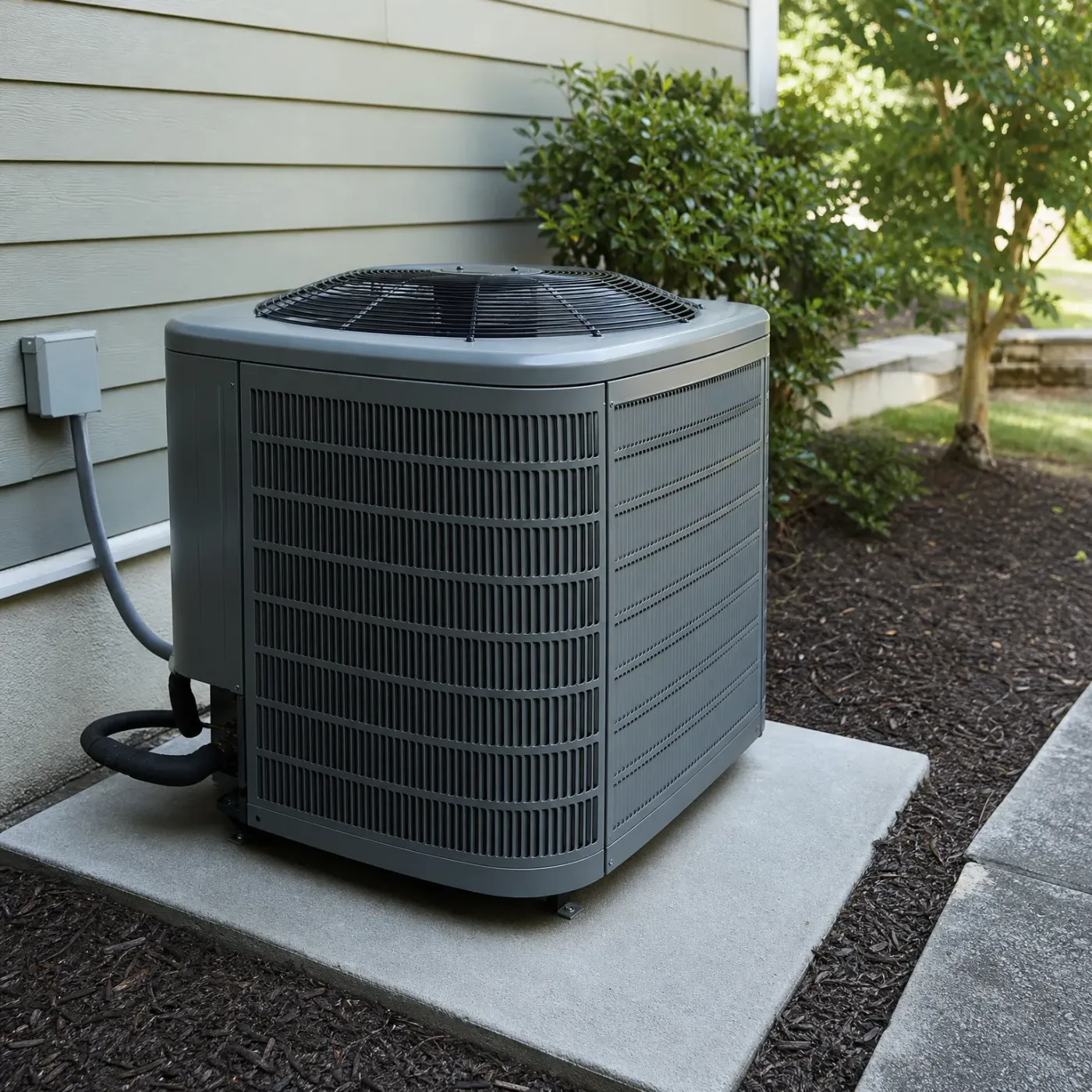
If your unit looks clean and the pad around it is clear, it's keeping up with what a New Jersey summer asks of it. Repairing a single part on a unit like this makes sense. A tech can fix what broke and send you on your way.

Grime caked on the fins and a casing that's seen better days usually means more than one problem. A unit this worn draws more power to do the same job, and on New Jersey electric rates that adds up fast. Replacing it stops the cycle of repeat repairs.
Notice the room next to the thermostat never quite gets cool, or the unit outside runs longer than it used to just to hold the temperature. Maybe it short cycles, kicking on and off every few minutes instead of settling into a steady run. You might hear a rattle or a hum that wasn't there last summer, or catch a burnt smell when it starts up. The bill is higher than it should be for what the thermostat says you're using. None of these mean the unit is finished, but they're the kind of signs that show up before a bigger failure, and in a New Jersey summer, a system that quits on a humid week leaves the house uncomfortable fast.

A compressor or condenser coil is built to last the life of the unit. When one of those fails, it's usually a sign the whole system is wearing out together, and a repair bill on an old unit often just holds the line until the next part quits. Replacing the outdoor unit resets that clock, and a new system run on a SEER2 rating well above what your old one carries will pull less off a power bill that's already steep in this state.
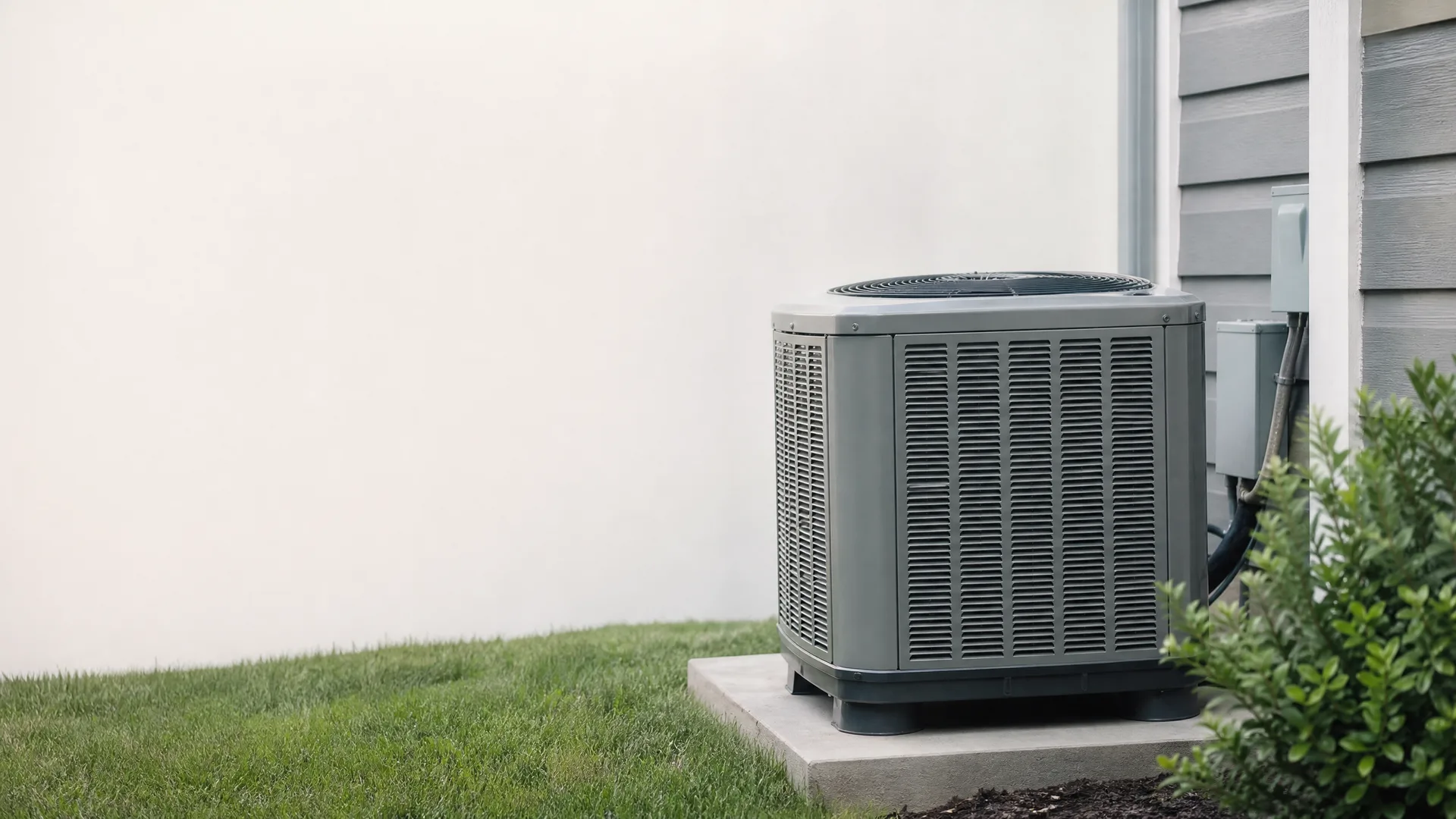
New Jersey summers push humidity as hard as heat, and a unit that's undersized or aging strains to pull moisture out of the air along with cooling it. That strain shows up as longer run times and higher bills before it ever shows up as a breakdown. A properly sized replacement handles both jobs at once, so the house feels dry as well as cool, without the outdoor unit running nonstop to get there.
At that rate, an old unit that's lost efficiency costs you real money just to limp along. A worn compressor or a low charge makes it run longer to do the same job, and every extra hour shows up on your bill. A new unit sized right for your house earns that cost back faster here than almost anywhere else.
EIA-861 2025 statewide residential average




A unit that's already losing the fight against a New Jersey summer isn't going to get easier to live with. Every month you run it longer to hold the same temperature is a month you're paying New Jersey power rates for air you're not getting. A local contractor who installs these systems all season knows which brands hold up in this humidity and which sizing mistakes cause the short cycling and uneven cooling you're dealing with now. That's different from a tech who shows up once to patch a failing compressor. Getting matched with someone who actually installs units for a living, rather than a general repair call, means the person looking at your house is thinking about what replaces the system, not just what keeps it alive another month. You already know what the unit is costing you to run and what it's failing to do. The next reasonable step is finding out what it would take to be done with it.
What's actually wrong with your unit decides this, not how old it is. A unit holding the temperature without a fight just needs the broken part fixed, and that's a single visit. A unit short cycling, running long, or losing its compressor is telling you it's done, and another repair just delays the same conversation. Either way, the next step is the same: get someone to look at it who knows what they're looking at.
A contractor who services New Jersey systems all summer sees this exact decision constantly, on units the same age as yours, with the same parts failing in the same order. That's not guesswork on their end. They know what a compressor on its way out looks like versus a part that just needs swapping, and they'll tell you which one you've got instead of selling you on the more expensive answer by default.
When you put in the request, it goes to one licensed local contractor, not a batch of companies calling you back all afternoon. That's one person who knows the equipment, looking at your situation specifically, not a lead getting resold around town. If it's a repair, they fix it. If it's a replacement, they size the new unit to your house so it actually keeps up with a New Jersey summer instead of running flat out to get there.
You don't have to figure out which category you're in before you reach out. That's what the visit is for.
Only one pro gets your request, so you hear from one company.
No fee to send it, and nothing to sign.