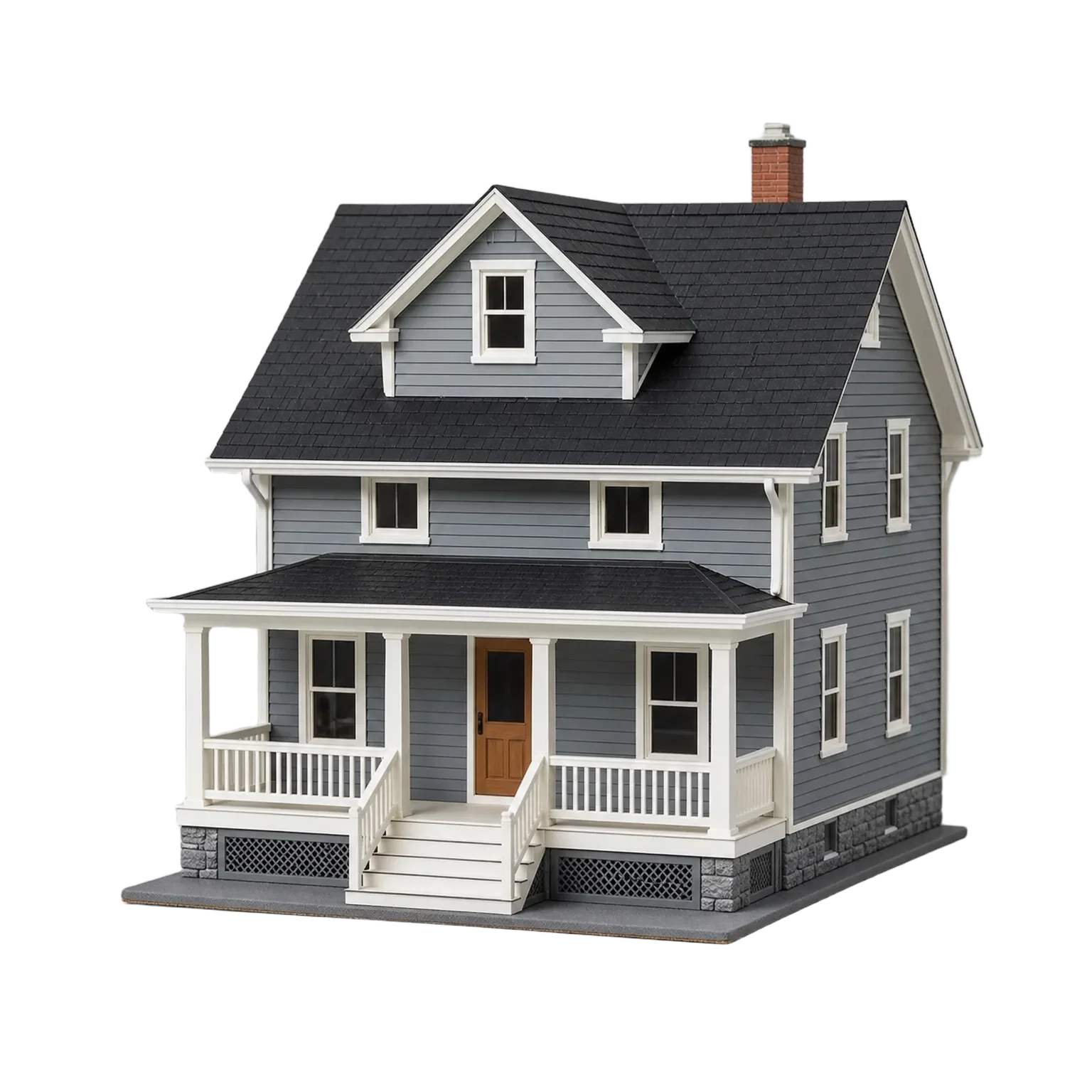
Draining the way it should
Condensation forms on the indoor coil and drips into a pan, then down a drain line and out away from the house. When that line is clear, you never see or think about any of it. The unit outside just keeps running.
Get matched with someone who does this kind of work in Bergen County.
Get matchedWater showing up around your indoor unit or dripping from the ceiling below a vent is never normal, and with the sticky summers in Bergen County, the system is running long hours and producing a steady amount of condensate that has to go somewhere. When it doesn't, it ends up on your floor or your ceiling instead of down the drain line.
Your air conditioner pulls moisture out of the air and that water is supposed to run down a drain line and out of the house. Algae and dirt build up inside that line over time and clog it, and once it's blocked the water backs up into the drain pan and overflows. The other common cause is a dirty air filter or low refrigerant, either of which can make the evaporator coil ice over. When that ice melts faster than the pan and line can handle it, you get water where you don't want it. With how much your system runs through a Bergen County summer, both of these build up faster than they would somewhere with a shorter cooling season.

Condensation forms on the indoor coil and drips into a pan, then down a drain line and out away from the house. When that line is clear, you never see or think about any of it. The unit outside just keeps running.

Algae and dirt build up inside that drain line over a season or two and block it. Once it's blocked, the pan fills and overflows, and water finds its way out through the ceiling or down a wall instead.
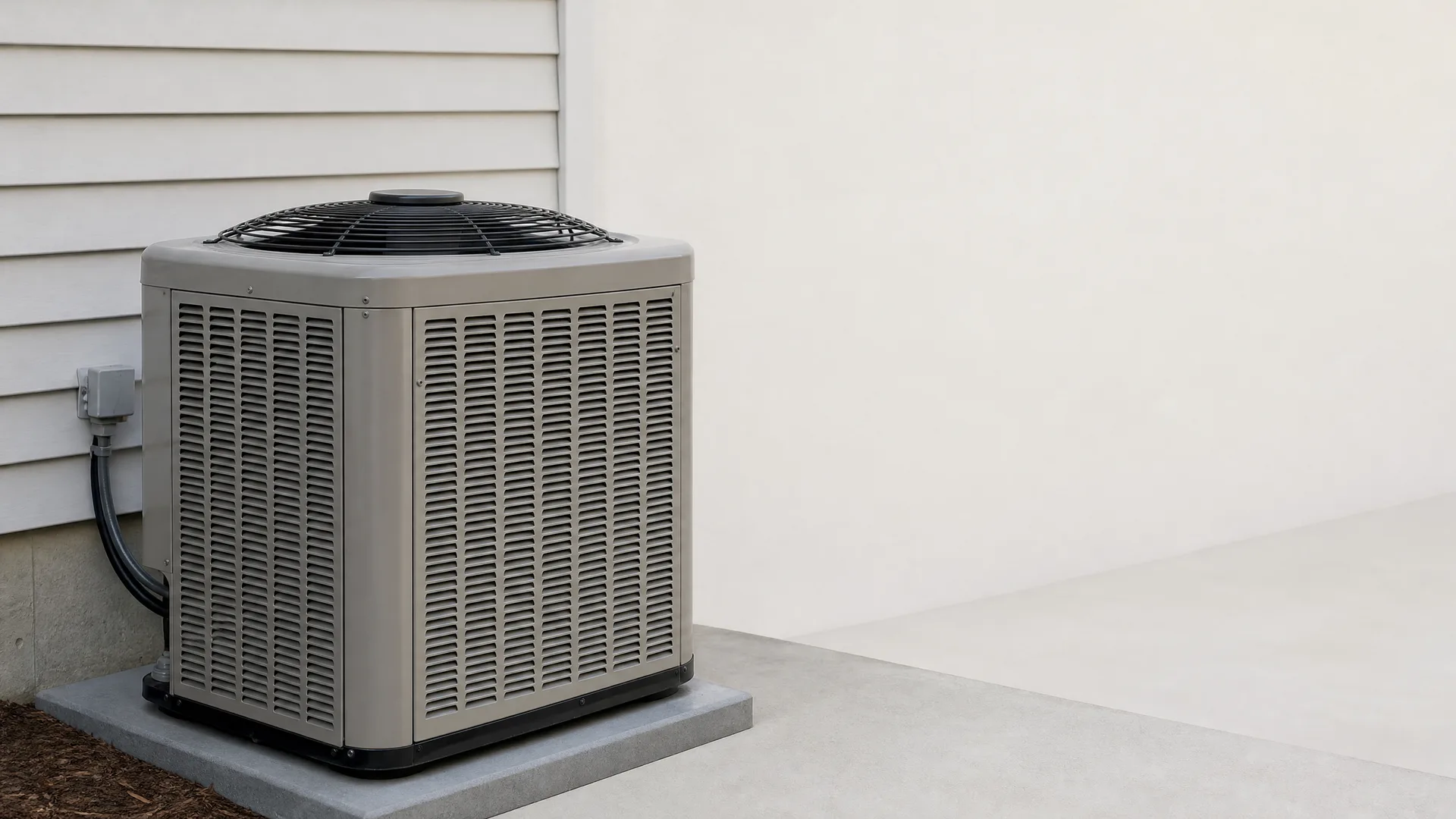
The drain pan under the indoor coil is shallow, usually an inch or two deep, built to catch condensation on its way to the drain line. It was never meant to hold standing water for long. Once the line backs up, that pan fills fast and has nowhere else to go but over the side. If your unit sits in an attic or a closet above living space, that edge is often right above a ceiling.
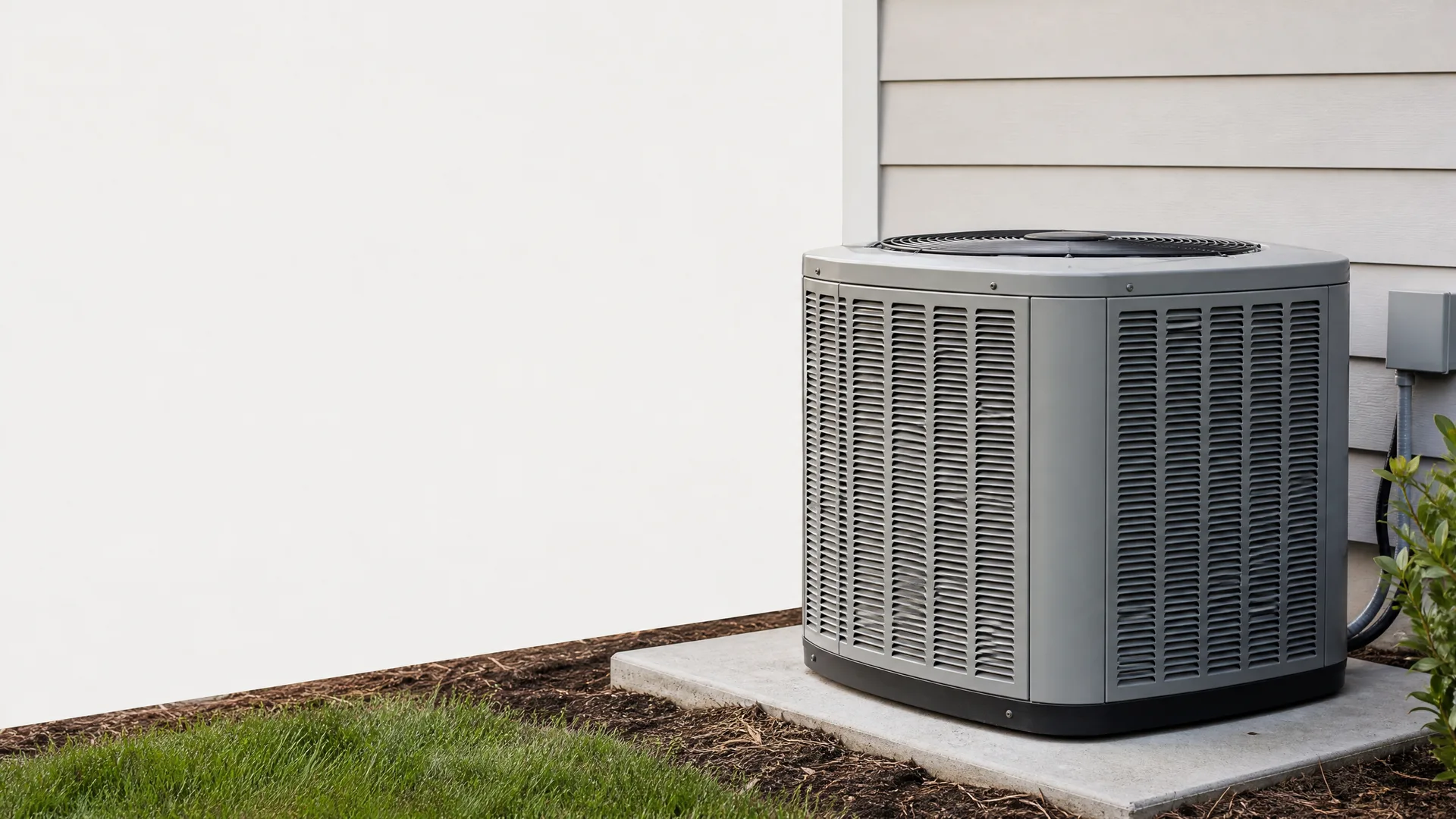
Many systems in Bergen County have a float switch sitting in the pan or the line, wired to shut the unit off if water rises too high. When it works, you get a warm house instead of a wet ceiling, because the compressor stops before the pan spills over. If your system cycles off for no clear reason in the middle of summer, a tripped float switch is worth checking before anything else.

The water that backs up has to go somewhere, and in most homes here that means the floor or ceiling under the indoor unit. If your air handler sits in a closet or attic, a few hours of running on a clogged line can soak the subfloor or stain the ceiling below it before anyone notices. Carpet, drywall, and the wood under them don't dry out on their own, and they don't forgive being wet more than once.
Shutting the system off stops the leak from getting worse, but it leaves you without cooling during a stretch where Bergen County summers don't let up for long. A local contractor who services this kind of unit every summer has seen which drain lines clog first and where the water tends to show up in homes built like yours, and can get the line cleared and the system back on without guessing at the cause.





The pro who gets in touch is licensed in New Jersey and works in Bergen County.
You only hire the pro if you want to.
Check around the indoor unit when the system has been running a while, especially on a hot, humid day when it's working hardest. A damp spot on the floor, a musty smell near a closet air handler, or water staining the ceiling under an attic unit all mean the drain line is already behind. Some systems have a float switch that shuts the unit off when the pan fills, so the AC stopping cooling on a humid afternoon can be the first sign something is wrong with the drain, not the compressor. Catch it at this stage and the fix is usually just clearing the line before anything gets soaked.
Leave a clogged line alone and the water has nowhere to go but the pan, then past it. A few more hot, sticky days of the system running long hours means more water working its way into the subfloor or the ceiling below. Drywall holds the stain even after it dries, and wood under a closet air handler can stay damp long after the leak is gone. If the unit lacks a float switch, nothing shuts it off automatically, so the running continues until someone notices the water or the smell. The earlier a local contractor looks at the line, the less of the house it touches.


The coil, the pan, and the drain line all have to work together, and a problem with any one of them shows up as water somewhere you don't want it. The pan sits just below the coil to catch condensation, so if the air handler has shifted even slightly, water can miss the drain opening entirely. Most pans have a float switch meant to cut power to the system once water gets too high, which is why some homeowners find their AC simply off rather than running and leaking. Where the water actually goes next depends on the drain line itself, whether it runs by gravity to a floor drain or relies on a condensate pump to push it out. A clogged filter adds another path to the same problem, since it can ice the coil and send a rush of meltwater the pan was never built to hold. Older systems sometimes have a second pan or safety line underneath the main one, and water showing up there means the primary drain has already failed. In an older pan, rust or a cracked seam can let water out before it ever reaches the line.


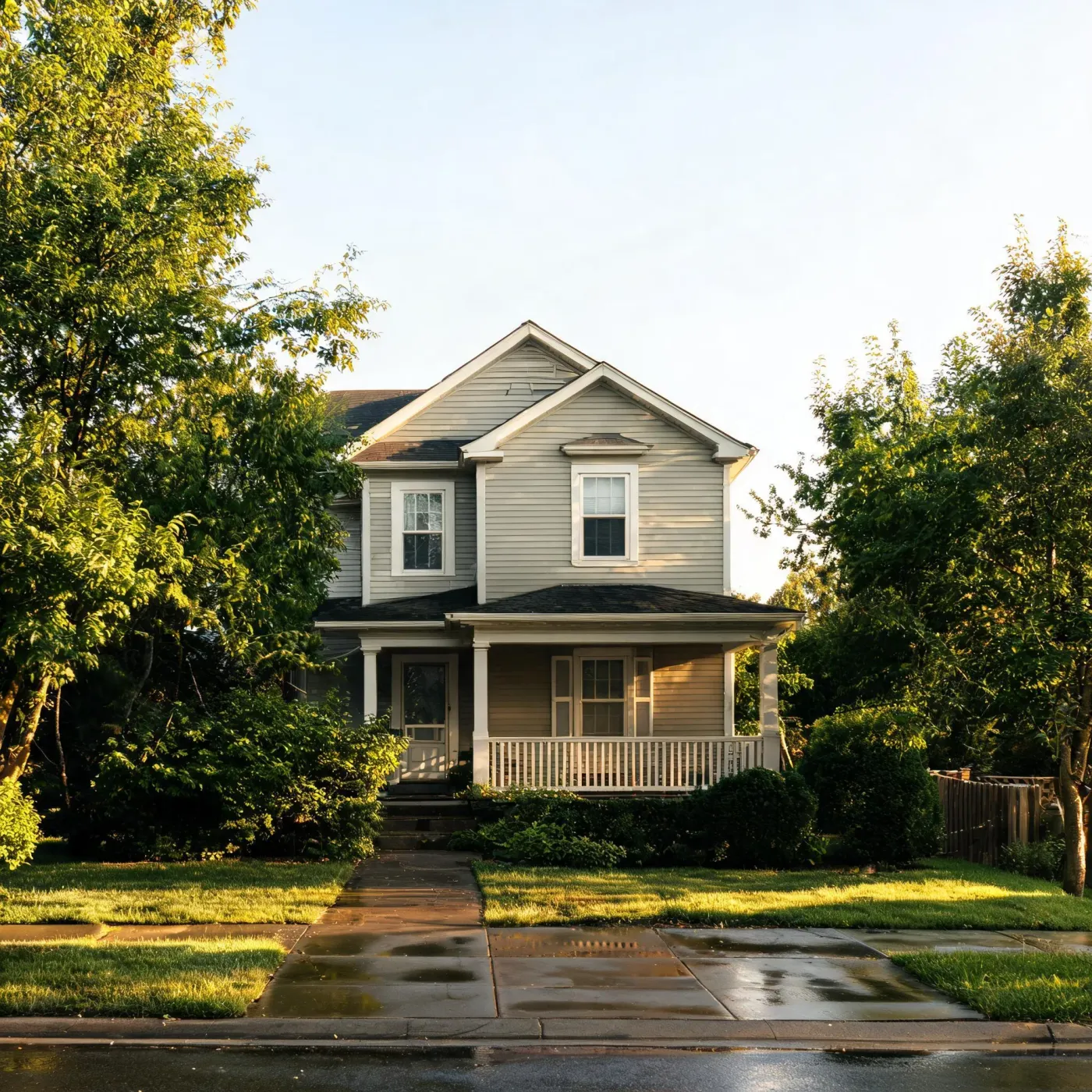
Summer air in Bergen County holds a dew point around 62°F, a figure from NOAA climate records for the area. That's heavy, sticky air, and it means your air conditioner is pulling a lot of moisture out of the house every time it runs, not just cooling it down. More moisture pulled from the air means more water moving through the drain pan and drain line, day after day, for weeks at a stretch. A line that's a little narrowed by algae or dust can keep up when there's not much water to move. It has a much harder time keeping up with what a muggy Bergen County summer sends through it.
NASA POWER T2MDEW


Three months isn't long, but your AC runs hard through all of it, pulling moisture out of the house every time the compressor kicks on. That steady, concentrated use is exactly what pushes a drain line to clog partway through the summer rather than at the start.
NOAA nClimDiv 1991-2020
A leaking AC almost always comes down to a drain line or pan that stopped doing its job, and that's a repair, not a reason to live with towels on the floor. Once it's fixed, water goes where it's supposed to go and the ceiling or closet underneath stays dry. A contractor who works on these systems all summer in Bergen County has seen this exact clog more times than almost anything else that brings them out on a service call, and knows to check the float switch and the pan's tilt along with the line itself. You'll be matched with one licensed local contractor for this job, not a handful of companies calling you back at once, so you can deal with one person who already understands what's likely going on before they walk in. From there it's a matter of getting someone out to look at it and clear what's blocking the water from draining the way it was built to.
A licensed pro who works in Bergen County gets your request.