AC unit frozen up in Hackensack, NJ

A Bergen County pro who repairs air conditioners gets your request.

Find a pro near me

Ice on the lines or the indoor coil usually means airflow is restricted or the refrigerant charge is low, and the system keeps running anyway, making the problem worse. A dirty filter is the most common cause, but a failing blower motor or a low charge from a slow leak can do the same thing. Once ice builds up, the coil can't absorb heat from the air, so the house stops cooling even though the unit is running constantly. Running it longer won't melt the ice. The right move is to shut the system off and let it thaw fully, which can take several hours, before anyone can see what's actually wrong underneath. In Hackensack's humid summers, a frozen unit often means days without real cooling while the ice melts and the cause gets found, so it's worth having someone qualified look at it rather than guessing and refreezing it.

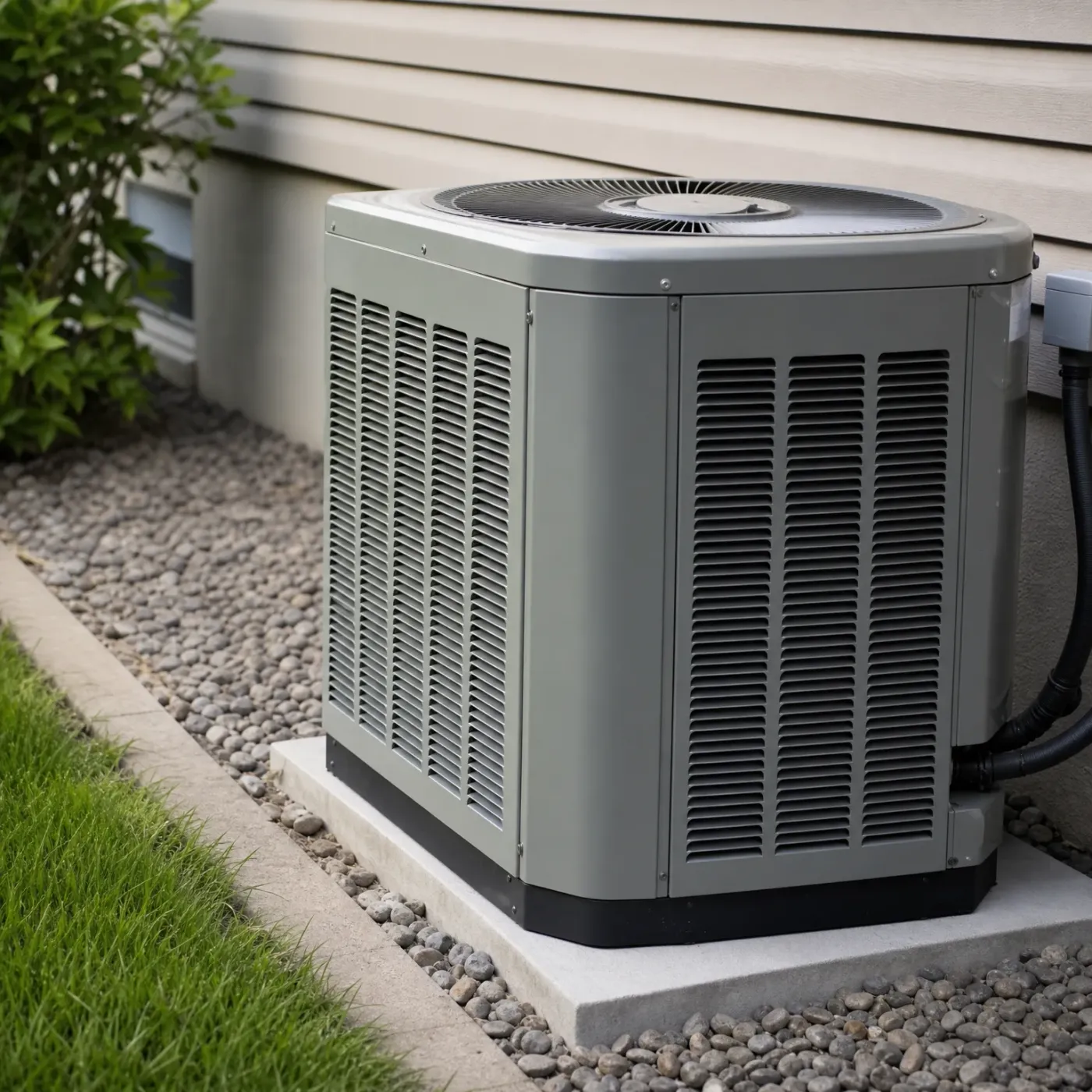
A gray outdoor air conditioner condenser unit sits on a concrete pad beside a house, with a gray electrical disconnect box and conduit on the lap-siding wall above it and a green shrub and pine straw at the lower left.

Why it keeps running while frozen

A central air system has no way of knowing ice has formed on the coil. The thermostat calls for cooling, the compressor runs, and the system keeps pulling warm air across a coil that can no longer absorb heat properly. That lets the ice build thicker over hours, which is why a unit left frozen overnight often needs a full day to thaw before anyone can tell what caused it.

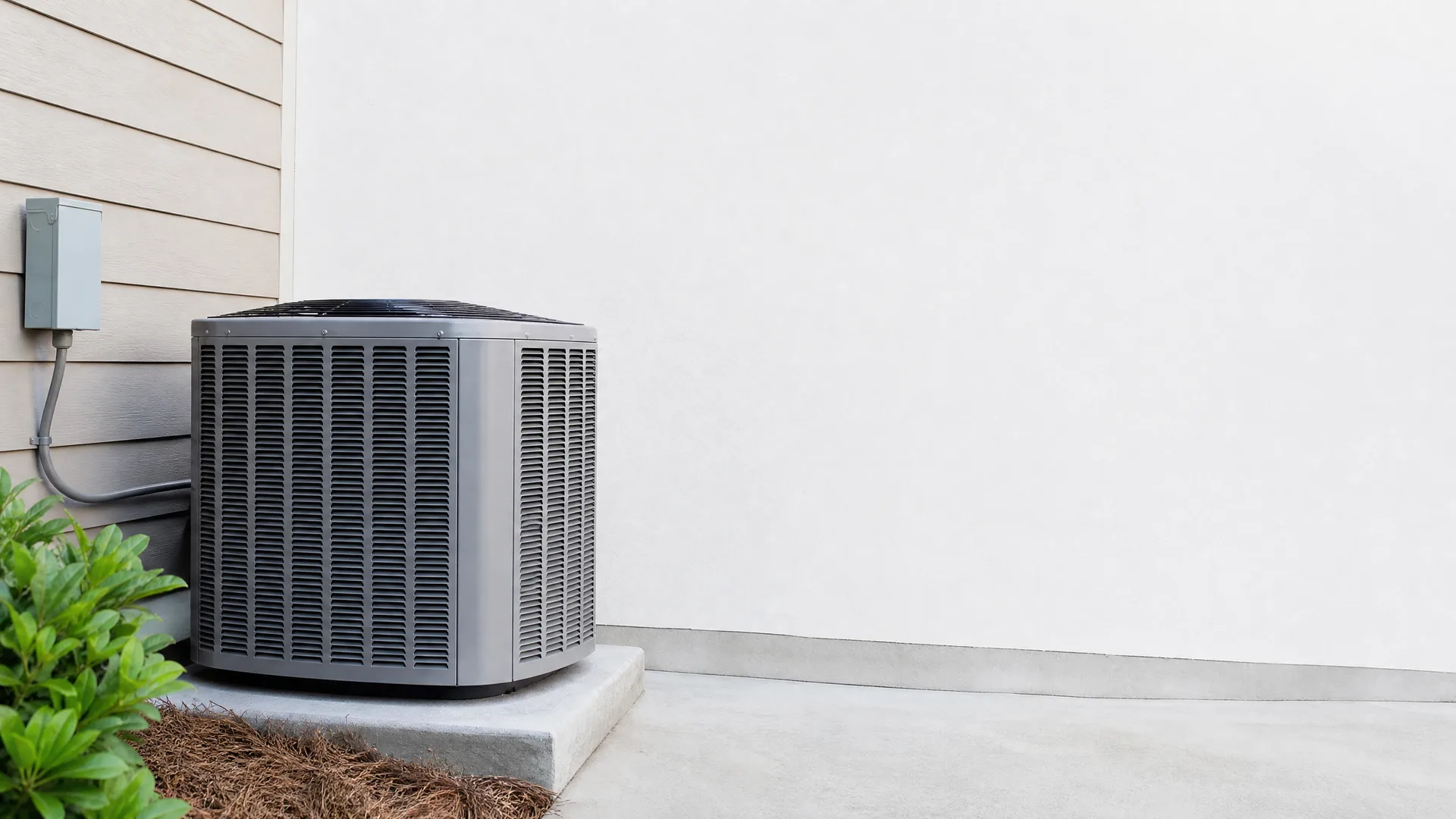
A gray outdoor air conditioner condenser unit on a concrete pad beside a light-colored stucco wall and horizontal lap siding, with an electrical disconnect box, conduit, mulch, and a shrub at right.

What the thaw will show you

Shut the system off at the thermostat and let the ice melt on its own. Running the fan only, without the compressor, speeds this along. Once it's clear, look at the filter first. A clogged filter starves the coil of airflow, and that's the most common reason ice forms in the first place. If the filter is clean and ice comes back within a day, the cause is somewhere else in the system.

Cooling runs June through August

Three months isn't much time for a system to carry Hackensack through the sticky part of the year, so when it freezes up in July, there's no slack left to wait it out. A frozen unit in the middle of a short cooling season usually means it's been struggling for a while before you noticed.

NOAA nClimDiv 1991-2020

Turn it off and wait

Switching the system to off and the fan to on lets the coil thaw on its own, usually in a few hours. This gives you a chance to check the filter and clear anything blocking the return vents while you wait. It costs nothing and doesn't require touching any refrigerant lines. The drawback is you're guessing at the cause. If the freeze comes back once you switch the cooling on again, the filter wasn't the only problem, and you've lost a day of cooling in July finding that out.


Have it looked at now

A contractor who works on these systems all summer can tell from the coil, the lines, and the charge whether this is a filter, a blower motor, or a refrigerant leak. That's the difference between a fix that holds and one that freezes up again next week. It means arranging a visit instead of handling it yourself this afternoon. For a system that's frozen more than once, or one where the thaw-and-restart hasn't held, this is what actually finds out what's wrong.

A man with gray-brown hair and stubble in a dark sweater sits on a light-colored sofa in a living room, looking off to the side, with a houseplant, framed picture, shelving and a sunlit window behind him.
A gray-haired bearded man in a dark blue shirt over a white t-shirt sits on a leather sofa in a living room with built-in shelves, a floor lamp, an armchair and large windows, looking off to the side.
A gray-haired man in a dark green sweater sits smiling on a sofa in a sunlit living room, with a houseplant, shelving unit, and dining table visible behind him.
A gray-haired man in a dark green knit sweater sits on a beige sofa with a dark cushion, looking to the side, with a potted plant, shelves and sunlit windows behind him.
A gray outdoor air conditioning condenser unit on a concrete pad beside a house with horizontal lap siding, surrounded by gravel, a shrub, and a strip of lawn.

Get matched with an air conditioner pro in Bergen County

A licensed pro who works in Bergen County gets your request.

Your request goes to a Bergen County pro who takes air conditioner jobs.

Get my match

It costs nothing to send, and you don't have to hire anyone.

A gray outdoor air conditioner condenser unit on a concrete pad beside a house with horizontal siding and a stucco foundation, with a disconnect box and conduit on the wall, decorative gravel, mulch, and a shrub nearby.
This is what normal looks like: clean coils, clear airflow, the unit running without strain on a hot Hackensack afternoon.
An outdoor air conditioning condenser unit on a concrete pad beside a house with horizontal lap siding, with an electrical disconnect box and conduit on the wall, mulch and a green shrub to the right, and a concrete walkway in the foreground.
This is a unit losing the fight: dirt packed into the coil grilles blocks airflow, and that's how ice gets started.

How a Coil Actually Freezes

  • Ice forms first on the suction line, then spreads across the indoor coil as airflow drops further.
  • The coil has to stay above freezing to pull moisture out of the air, and ice means it's lost that ability.
  • As ice builds, it insulates the coil from the warm air passing over it, so cooling output drops even as the compressor keeps running.
  • Water from the melting ice can overflow the drain pan once the system is shut off, so towels or a wet vac near the air handler help.
  • A coil that freezes repeatedly after a full thaw often points to a refrigerant leak rather than a one-time airflow problem.
  • Running the system while it's frozen can push liquid refrigerant back into the compressor, which is the kind of damage a tech works to avoid.

A frozen coil doesn't happen all at once. It starts small, usually on the suction line where refrigerant is coldest, then spreads across the indoor coil as ice blocks more and more airflow. The coil's job is to stay just above freezing so it can pull moisture out of the air passing over it. Once ice takes hold, that job is over. Ice acts as insulation, so the coil can no longer absorb heat from the air the way it's supposed to, and the compressor keeps working without getting the result it should. If the system gets shut off to thaw, as it should be, the ice melts into water, and that water has to go somewhere. It collects in the drain pan and can overflow if the pan fills faster than the drain line clears it, so keeping towels or a wet vac nearby during the thaw isn't a bad idea. What happens after the thaw matters too. If the coil freezes once and stays clear after the filter's changed and airflow's fixed, that's usually the end of it. If it freezes again after a full thaw with no airflow problem in sight, that points toward a refrigerant leak, not a filter or a blocked vent. And running a frozen system instead of shutting it off risks pushing liquid refrigerant into the compressor, which isn't built to handle liquid. That's damage a tech works to catch before it happens, not after.

An outdoor air conditioner condenser unit on a concrete pad beside a house with light horizontal vinyl siding, surrounded by bare dirt, gravel and dry leaves, with refrigerant lines and conduit running along the wall.
Before you get your air conditioner repair
A gray outdoor air conditioner condenser unit on a concrete pad beside a house with horizontal lap siding, with a flowering shrub at left and a disconnect box with conduit on the wall at right.
After you get your air conditioner repair
A gray outdoor air conditioner condenser unit on a concrete pad beside a house with dark horizontal siding and a stone base, surrounded by gravel, with a flowering shrub at left and a concrete walkway in front.

Running the way it should

Clear gravel around the pad, nothing stacked against the cabinet, and the disconnect box within reach. Air moves through the fins without resistance, so the coil stays warm enough to do its job and the system cycles the way it was built to.

An outdoor air conditioner condenser unit sits on a concrete pad beside a stucco wall, with refrigerant lines and conduit running to the wall and a shrub to the left.

A unit that's been neglected

Years of grime packed into the fins and casing choke off airflow before the compressor ever struggles. The lines still run to the house, the unit still turns on, but the coil underneath that buildup is the one that ices over first.

A smiling man in a denim shirt and white t-shirt stands in an open dark doorway of a stucco house, facing a woman with long brown hair and a green jacket seen from behind in the foreground.

Thaw it out, then get the cause fixed

A frozen AC unit is airflow or refrigerant, almost every time. Shut it off, let the ice melt, check the filter. That part you can do yourself. Finding why it froze in the first place, and keeping it from happening again next week, takes someone who works on these systems in Hackensack all summer and knows which part tends to go first.

Once you request service, you're matched with one licensed local contractor, not a handful of companies calling you back at once. They'll reach out to look at your system directly, see what's actually blocking the airflow or pulling the charge down, and deal with that instead of just the ice on top of it.

A mug and a small round vase sit on a wooden windowsill beside sheer and heavier curtains, with blurred autumn trees seen through the rain-speckled window and a sofa with cushions and a throw in the foreground.
A woman with shoulder-length brown hair, wearing a beige knit cardigan, white top and a small gold pendant necklace, sits in a light upholstered armchair and looks toward a window with green foliage outside; shelves with framed photos are behind her.
A woman with her hair in a bun sits on a couch with a sleeping child resting against her, both wrapped in a cream knit blanket, with a lit floor lamp, houseplant and dark window behind them.

Air Conditioner Repair

Find an air conditioner repair pro in Bergen County

A licensed pro who repairs air conditioners in Bergen County gets your request.

A black-framed smartphone standing upright against a plain light gray background, its screen filled with solid green.
RepairCentral ACBergen County, NJ
Step 1 of 2

What ZIP code is the job in?