

One clogged drain line, one flooded pan
A condensate line only needs a small blockage of algae or dirt to back up. Once it does, the pan fills faster than it can drain, and water finds the nearest way out.
Tell a local repair pro what your air conditioner is doing.
Water showing up around your indoor unit or dripping from a vent is unsettling, especially when the AC has been running nonstop trying to keep up with New Jersey's humidity. You want to know if this is something minor or if it's about to get worse, and whether it's safe to keep running the system while you figure out what to do.
Your air conditioner pulls moisture out of the air and sends it down a drain line. When that line clogs with algae or dirt, the water backs up and spills out wherever it can, often into a pan or straight onto your floor or ceiling below. The other common cause is a frozen evaporator coil that melts and overflows the drain pan once the system shuts off. With how much moisture New Jersey summers put into the air, your AC is removing water for hours at a time, so a partial clog that would never show up in a dry climate becomes a real leak here. Either way, running the system while it leaks can mean water damage, so it is worth shutting it off until a contractor looks at the drain line and the coil.
Humid air hits the cold evaporator coil and forms condensation.
Water drips off the coil into the drain pan below.
A drain line carries that water out to a safe spot.
Algae, dirt or a clog block the line over time.




A condensate line only needs a small blockage of algae or dirt to back up. Once it does, the pan fills faster than it can drain, and water finds the nearest way out.
Low refrigerant or weak airflow can freeze the evaporator coil. When it thaws, all that ice turns to water at once, more than the drain pan is built to catch.

A drip from a vent or a wet patch on the ceiling below the unit is water that found its way through drywall, insulation or a floor to get there. That means it's been sitting somewhere above or behind that spot for a while first. In a closet or attic installation, it can run before you ever see a stain, soaking into wood and subfloor the whole time. If your unit sits over finished space, that's your ceiling or your floor it's working against.
You don't need to figure out whether it's the drain line, the pan or the coil before you get someone out to look. Trying to chase it down yourself risks missing the actual cause and losing time while it keeps dripping. A technician who works on air conditioners around here all summer has seen this same leak in plenty of other houses and knows where to check first. Getting matched with one licensed contractor near you means one visit, one person looking at your system, not a string of calls to sort through.


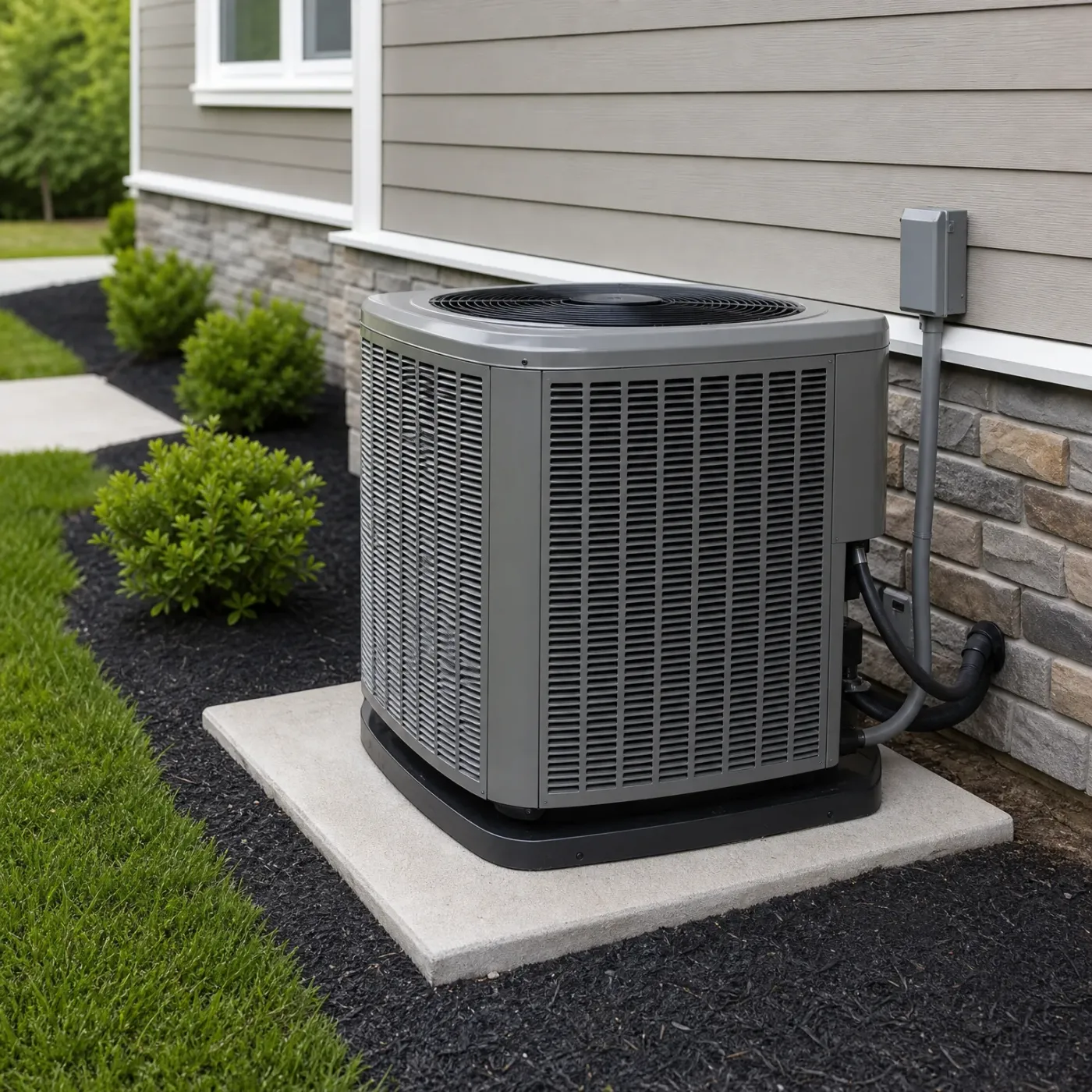
A unit kept clear of grass clippings and mulch pulls air through the fins the way it should. The coil stays cold and even, condensation forms the way it's supposed to, and the drain line carries it off without backing up.

Dirt packed into the fins chokes airflow across the coil. Parts of it run too cold and ice over, then melt faster than the pan and line can carry off. That's often where the water inside your house starts.


Your request stays with one local pro.
Say what's going on with your air conditioner, and a pro who works on them reaches out.
You only hire the pro if you want to.
You might have caught it already: a stain spreading on the ceiling under a vent, a musty smell in the room where the unit sits, or water pooling on the floor near the indoor equipment. Maybe the AC shut itself off and won't start back up. Maybe you just noticed the pan under the unit is full. None of that is normal, even with how hard your system has been working through a sticky New Jersey summer. Left alone, that water keeps finding new paths through drywall and flooring, and what started as a drip can turn into a damp spot that doesn't dry out, or a system that trips off right when you need it most.

This is a condenser doing its job. The lines running up to the disconnect are intact, the pad is level, and nothing is blocking airflow through the fins. A unit set up like this moves condensate out through the drain line instead of backing it up into the house.

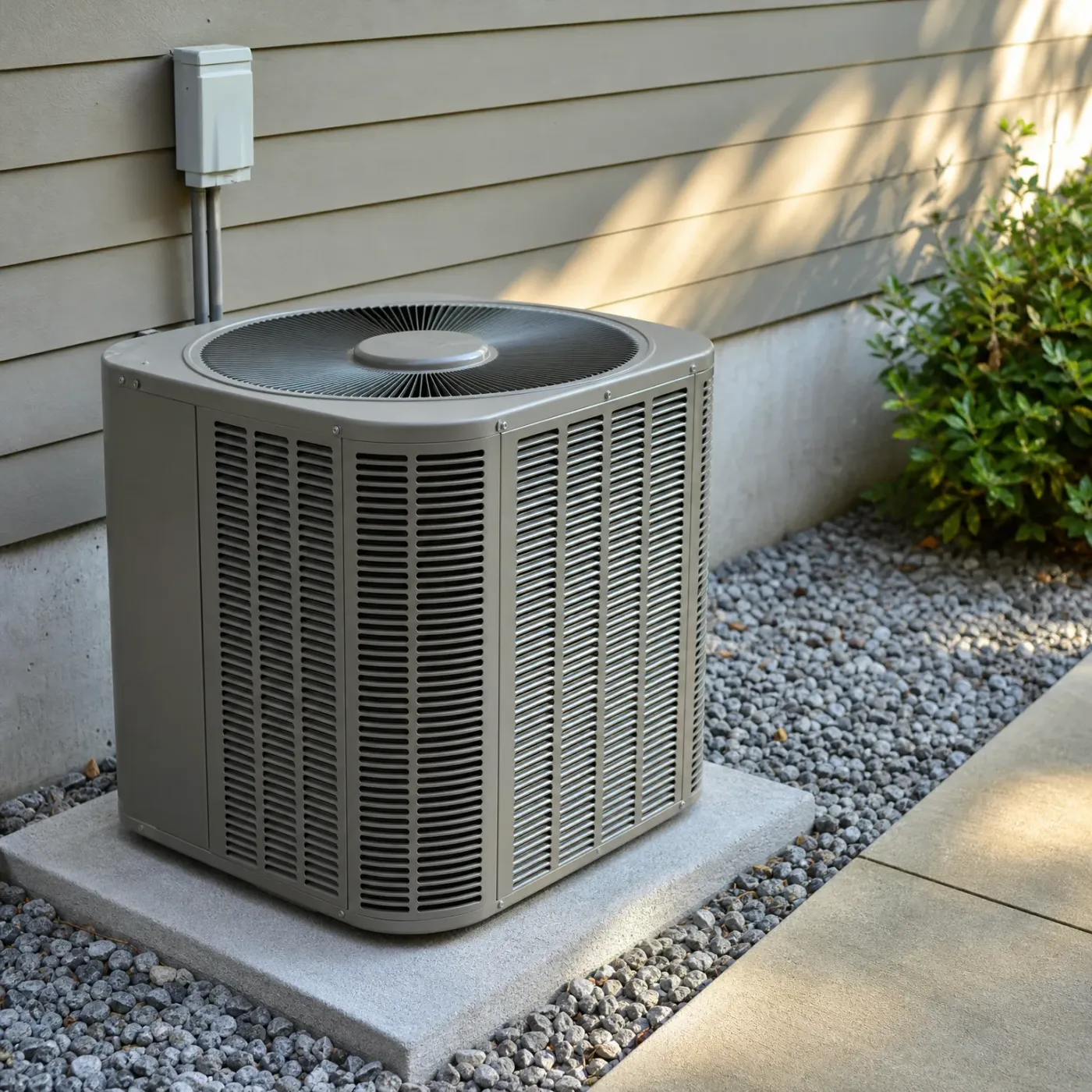
Dirt and grime coat the fins on this one. A coil this dirty can't pull air through evenly, so it runs colder than it should and ice can build where condensation is supposed to just drip off. When that ice melts faster than the pan and drain line can handle, water ends up somewhere it shouldn't.


Water keeps finding its way out, whether that's a drip from a vent, a damp patch on the ceiling, or a puddle by the indoor unit. The AC might cycle off on its own during the hottest part of the day, right when you need it most. You're mopping up or running a fan to dry a spot that shouldn't be wet in the first place. Meanwhile the stain on the ceiling or the wall keeps spreading a little more every week it's ignored, and the smell in that room isn't going away by itself.
The line that was backed up is clear again, and the pan underneath the coil drains the way it was built to. No more checking the ceiling every time the AC has run a few hours straight. The unit cycles the way it should instead of shutting down mid-afternoon. Whatever drywall or flooring got wet still needs to dry out and get looked at separately, but it stops getting worse. You can run the system on a sticky New Jersey afternoon without wondering what's dripping somewhere out of sight.
At 22.48 cents per kilowatt-hour, every hour your AC fights a clogged drain or a frozen coil instead of cooling normally costs you more than it should. A unit stuck in that cycle all summer shows up as a bigger bill before you ever see the water.
EIA-861 2025 statewide residential average
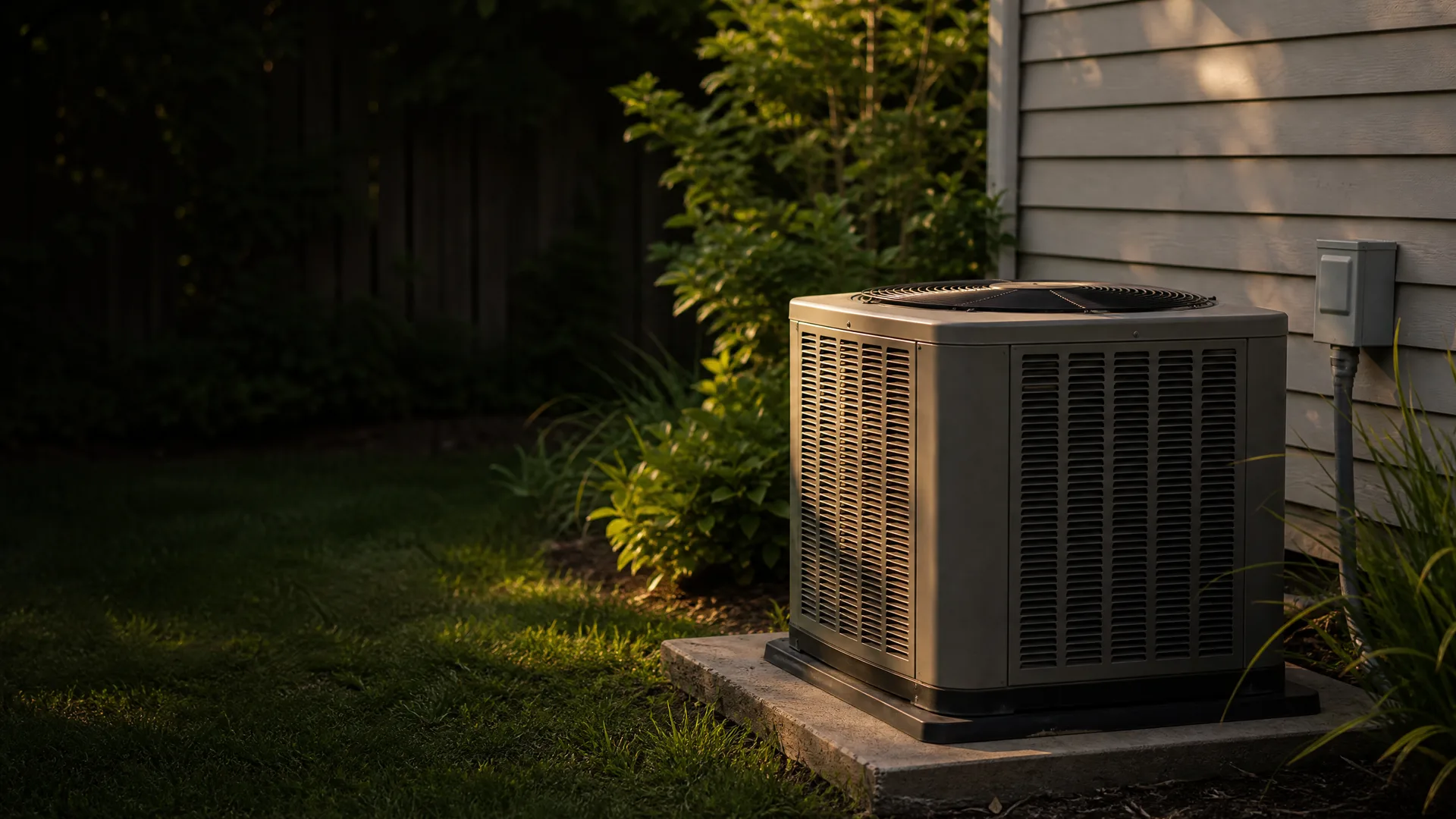
The sun is low over the yard, that orange light you get around seven in August. The condenser sits by the fence, and the fan behind the grille isn't moving. No hum, no hum of air pushing through, just the cicadas. Inside, the house has gone a little warmer than it should be this time of evening, the air heavier, the kind of sticky that makes you check the thermostat twice. You crouch by the unit and feel the side panel, warm to the touch, a faint smell of wet grass clippings packed against the fins. The light keeps dropping. Somewhere above the unit, inside, water is finding somewhere to go.
A clogged drain line or a frozen coil is causing that water, and it won't stop on its own while the AC keeps running. Letting it go longer means more water finding its way into the ceiling or the floor around the unit. A contractor who works on these systems all summer in New Jersey has seen this exact problem on plenty of other units, usually caused by the same handful of things, and can tell you which one it is once they look at yours. You'll be matched with one licensed contractor local to you, not a handful of companies competing for the job, so you're dealing with one person who knows the equipment and can get to the drain line or the coil directly. Your AC should pull moisture out of the air and send it out through the drain line, not into your house. Once that's fixed, it goes back to doing that.
Your request goes to one pro, not a list of companies.
Asking costs nothing, and the choice to hire stays yours.