

Running clean
A healthy system drains as it cools. The pad stays dry, the grille stays clear, and the air coming through the vents just feels cold, nothing damp about it. No smell when it kicks on, none while it runs.
You walk in from the heat and the first thing you notice is the smell before the cool air even registers. It's not smoke, it's not anything burning, just a damp, closed-up smell coming through the vents. With how sticky it gets here, you want to know if this is something to worry about or just normal for a New Jersey summer.
Your AC pulls moisture out of the air all summer long, and that water has to go somewhere. It collects on the evaporator coil and drains out through a condensate line. When that line clogs, or when the coil stays wet longer than it should, mold starts growing right there in the airflow, and every time the system kicks on it pushes that smell through the house. New Jersey summers run humid for months at a stretch, so the coil and drain pan rarely get a chance to dry out completely between cycles. A dirty air filter makes it worse, since it slows airflow across the coil and leaves more moisture sitting still. The smell itself isn't dangerous to ignore for an afternoon, but it means something inside the system is staying wet when it shouldn't.
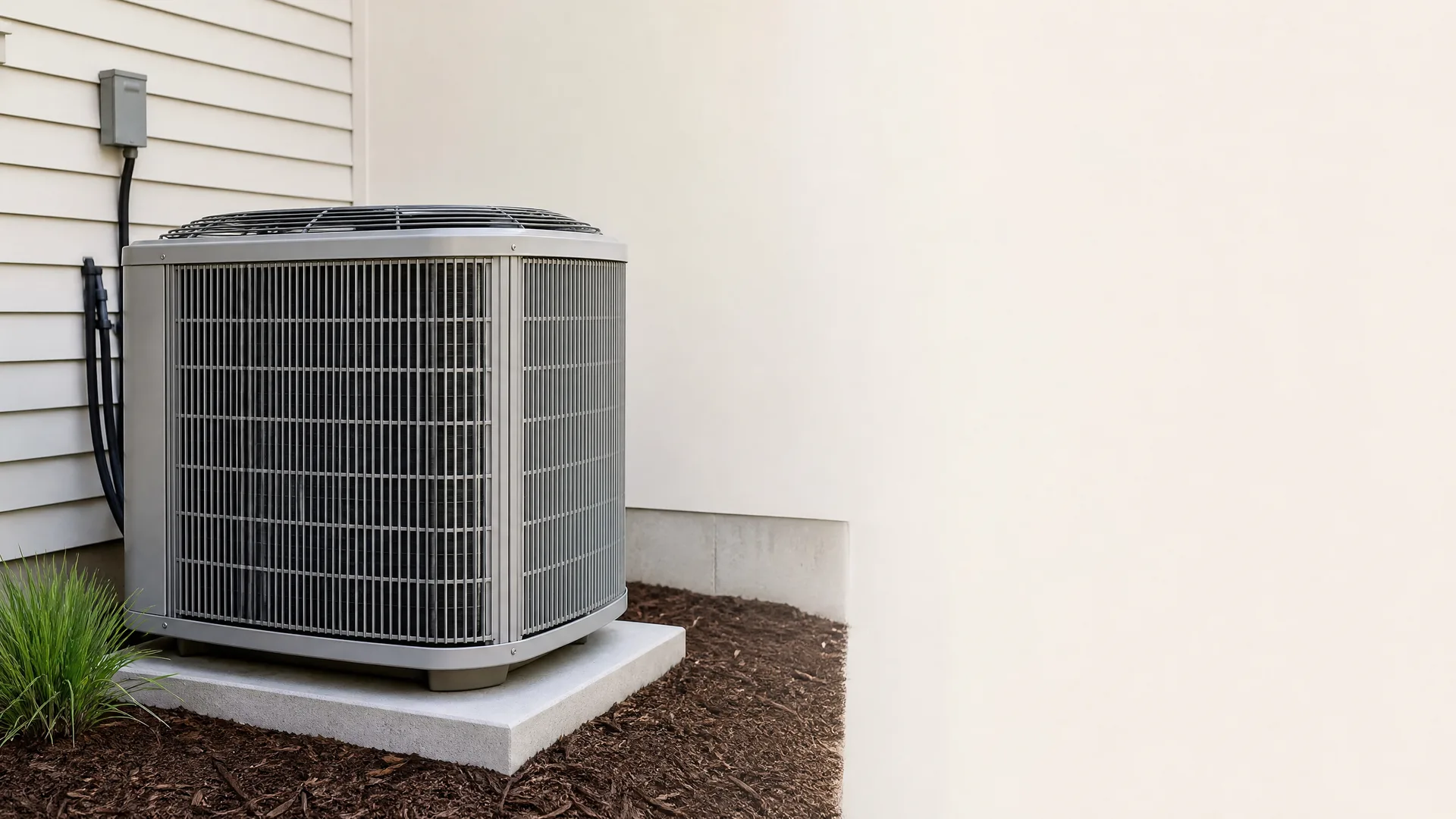
Air conditioners pull moisture out of the air as they cool it. That water is supposed to drip into a pan and drain outside through a condensate line. If that line is slow or clogged, water sits instead of draining, and standing water next to a dark coil grows mold fast. The musty smell is that mold, riding the air right back through your ducts every time the system runs.
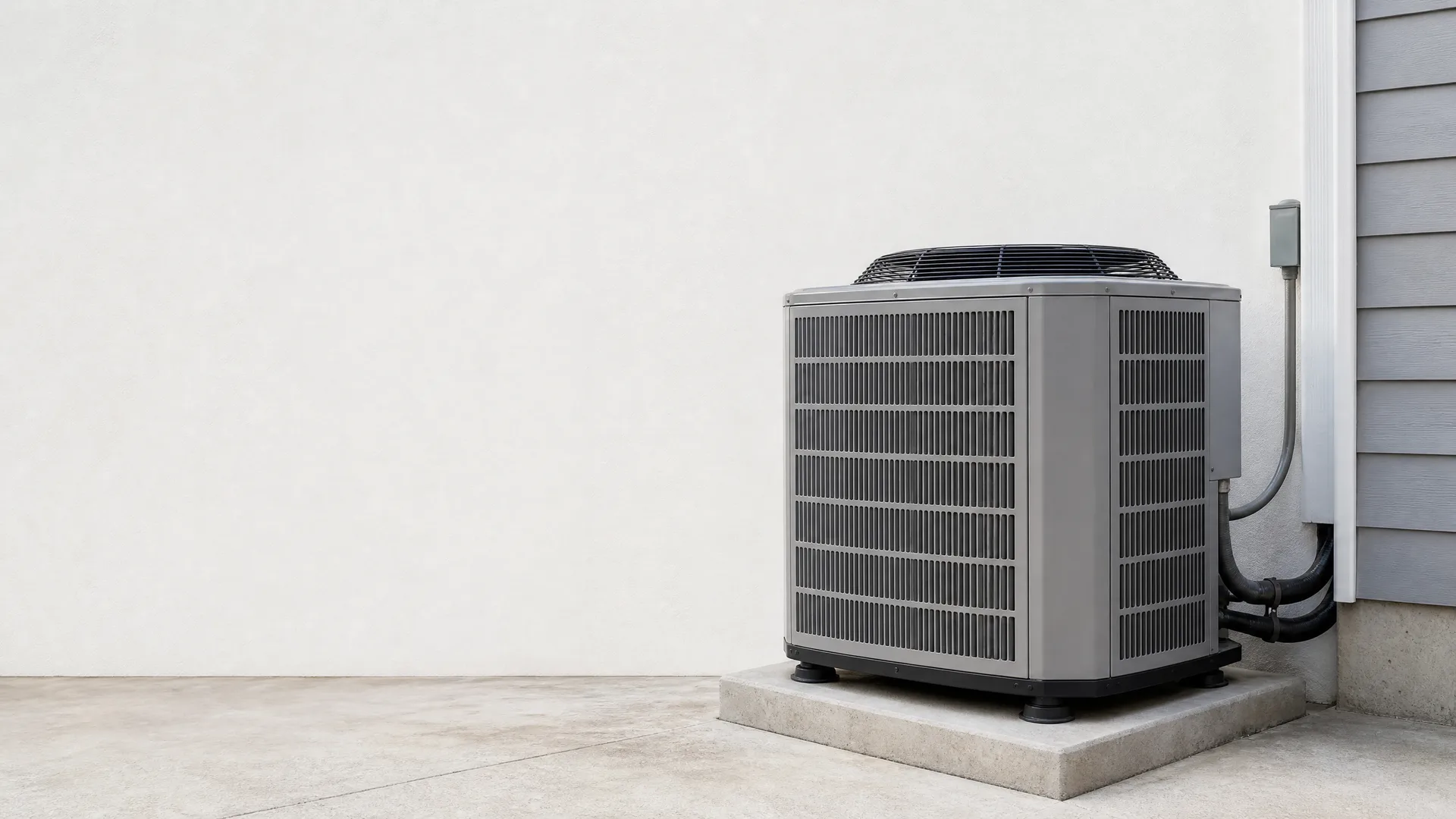
The stickier the air outside, the more water your AC pulls out of it, and the more water has to find its way down that drain line. A system running long hours against heavy humidity is pulling more moisture than one in a dry climate ever would. More water through the same drain means more chances for it to back up, and more chances for mold to get a foothold on the coil or in the pan underneath it.
Once the smell starts, it usually doesn't go away on its own. You might notice it strongest right when the system kicks on, then fading as air moves through the house, but it comes back every cycle. Some rooms may feel muggier than others even with the AC running, since damp coils and a wet drain pan make it harder for the system to pull moisture out of the air the way it should. Left alone, that standing water and the mold growing on it can spread, and in a New Jersey summer with the system running for weeks at a stretch, what started as a smell can turn into a bigger problem inside the unit itself.

A healthy system drains as it cools. The pad stays dry, the grille stays clear, and the air coming through the vents just feels cold, nothing damp about it. No smell when it kicks on, none while it runs.

Dirt and pine needles have built up on the grille, choking off airflow across the coil. A coil that can't shed heat properly stays wetter longer between cycles, and that extra moisture is what you're smelling inside.




That musty smell isn't going to clear up on its own, and in a New Jersey summer, with the kind of humidity that keeps the AC running most of the day, it has plenty of chances to come back worse. Finding out whether it's a clogged condensate line, a dirty coil, or standing water in the pan means someone has to look at the unit, and that's usually where people get stuck: searching for a contractor, calling a few, explaining the smell and when it happens to each one, then waiting on quotes to compare. With power costs what they are here, a system that's not draining right is also one working harder than it should. Sending this request means you stop doing that legwork. You describe what you're smelling and when, and the search for who's going to fix it is no longer something you have to carry while the house still smells like a damp basement every time the air kicks on.
The coil is where this starts. Warm, humid air passes over it, the coil pulls the moisture out, and that film of dust and water is exactly what mold needs to grow. On a system that's working right, the blower doesn't shut off the second the compressor does. It keeps moving air a while longer, drying the coil so it starts the next cycle clean. That drying step is the part that quietly stops working when airflow is weak. A dirty filter is the usual reason. Air gets forced through a narrower path, less of it reaches the coil, and the coil stays wet instead of drying between cycles. Give that a few days in a row and you've got standing moisture on a surface, sitting still, every single night. Underneath all of this is the condensate pan, right below the coil, catching whatever drips off it. Anything growing on the coil doesn't stay up there. It washes down into the pan with the condensate and sits in that water too. So the smell isn't coming from one spot, it's coming from the whole wet stretch of the system, coil down to pan, that never gets the chance to dry out. In a house running the AC most of the day through a New Jersey summer, that cycle repeats constantly, which is why the smell doesn't fade, it builds.


At 22.48 cents per kilowatt-hour, a system working to drain a clogged line or push air through a dirty coil costs more to run than one that's clear. A musty AC is often one that's running longer than it should just to keep up, and here that difference shows up fast on the bill.
EIA-861 2025 statewide residential average



New Jersey summers hold a dew point around 63°F, NOAA's average across June, July and August, which is the kind of heavy air that never really lets your AC rest. The system has to pull more water out of the air just to keep the house feeling dry, and all that extra moisture has to drain out through the same condensate line and coil. When that path is already slow or caked with dirt, a muggy stretch is what pushes it from damp to dripping, and from a faint smell to one that hits you at the door. The wetter the air outside, the harder a struggling system has to work to keep up, and the worse it smells doing it.
NASA POWER T2MDEW county cells weighted by homes


The smell means water is sitting somewhere it shouldn't, in the pan, in the line, or soaked into the coil, and running the system harder won't dry it out. That takes a contractor opening the unit, finding where the water is backing up, and clearing or fixing it. You could spend your evening calling around, explaining the smell to three different companies, and comparing what each one quotes you for a job you can't see for yourself. Or you could send one form and let someone else carry that part. Your air conditioner still needs the same repair either way. What changes is whether you're the one tracking down who can do it. In a New Jersey summer, with the air this heavy for months at a stretch, that's time you'd rather spend anywhere but on the phone.





Fill out one short form instead of calling around.
No charge to send it. You decide if you hire them.