One wall, one path
The line set runs through a single hole to the outside. A placement that shortens that run keeps installation simpler and leaves less line set exposed on the exterior wall.
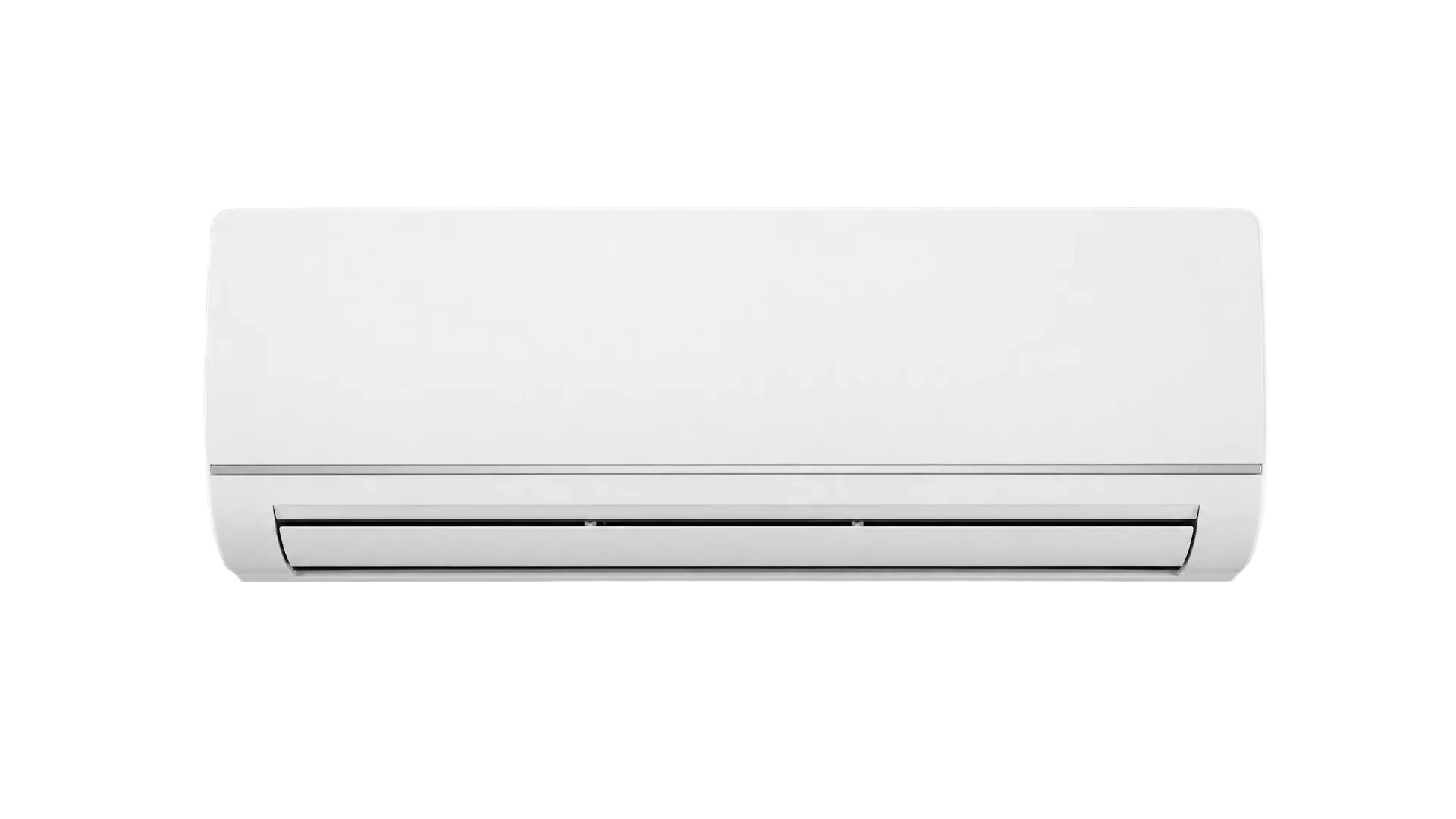
The indoor unit goes on an interior wall that has a clear path to the outside for the line set, usually a wall shared with a room you actually spend time in, like the main living area or the bedrooms you run the most. Placement matters because a mini split heats and cools by moving air across a room, so a unit mounted high on a long interior wall, away from doorways and furniture, throws air across the whole space instead of just the corner it sits in. The outdoor unit needs to sit somewhere it won't get buried in snow or packed against a fence or siding, with room on all sides for air to move through the coil. In a New Jersey yard that often means a spot with a few inches of clearance and a stand or pad to keep it above drifting snow. Get the location right and the unit handles both the sticky summers here and the cold snaps all winter without straining. Get it wrong and one room stays warm while the next one doesn't, no matter how new the system is.
At 22.48 cents per kilowatt-hour, every hour your mini split runs shows up on the bill fast. Putting the indoor unit where it covers the room you actually use, without reaching into hallways or closed-off spaces, keeps it from running longer than it needs to just to cool air nobody's sitting in.
EIA-861 2025 statewide residential average
Put the indoor unit over a doorway or in a corner where it has to blast across the whole room, and it will run long to reach the far wall, costing you more each month it's on.
Put it on the wall that faces the couch, the bed, or wherever you actually sit, and it cools or heats that space directly, cycles off sooner, and still leaves the room even.




The line set runs through a single hole to the outside. A placement that shortens that run keeps installation simpler and leaves less line set exposed on the exterior wall.
A mini split has no belts to wear out, and most don't run on a backup fuel. Where you mount it decides how hard it works to keep the room steady.
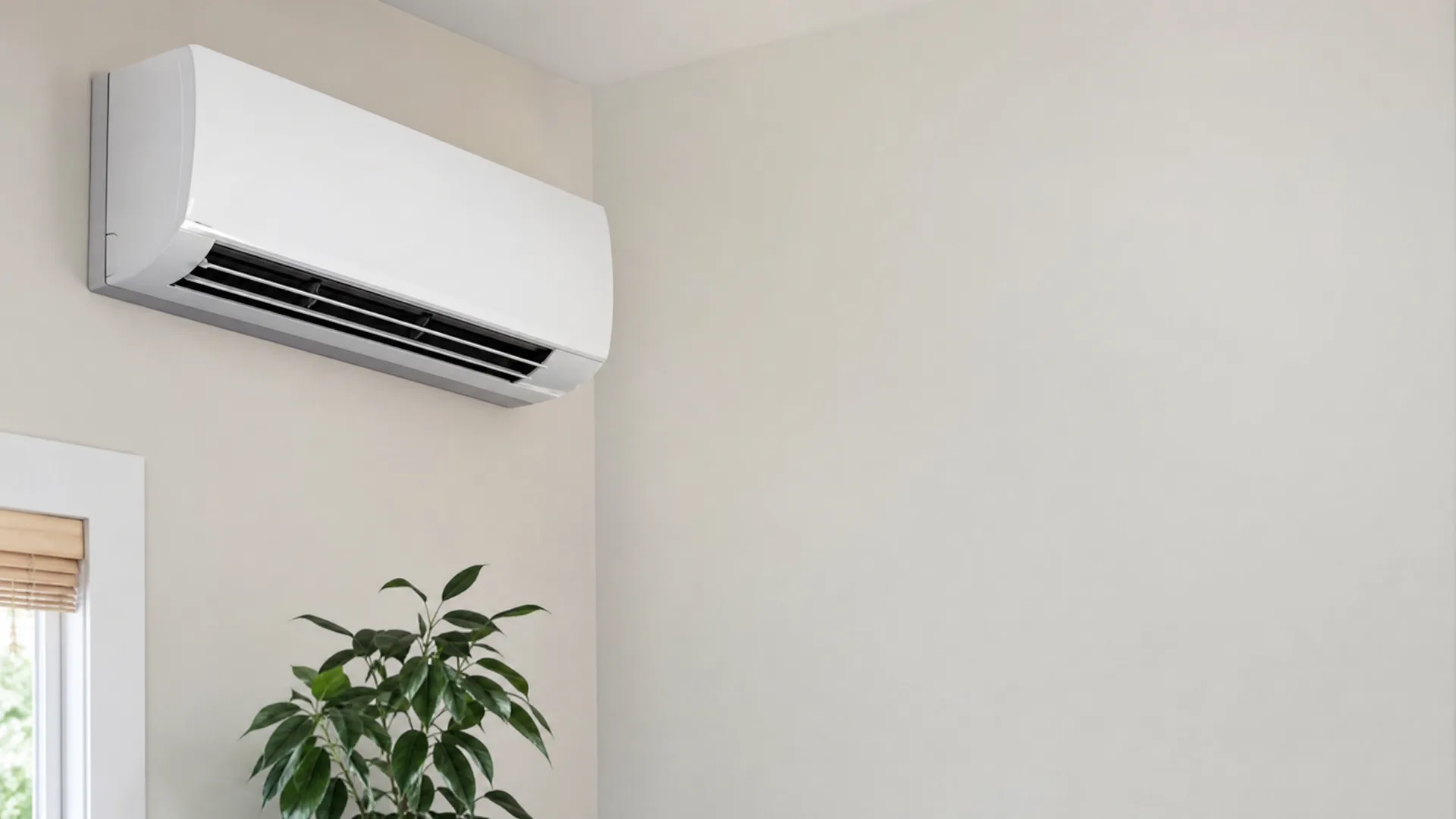
A mini split mounted where it has to push air across a kitchen or down a hallway to reach where you sit will cycle longer to hold the temperature there. You'll notice it as a unit that never seems to shut off during the sticky months, and a January gas bill that doesn't explain why the bedroom still feels cold at the register farthest from the wall it's on.
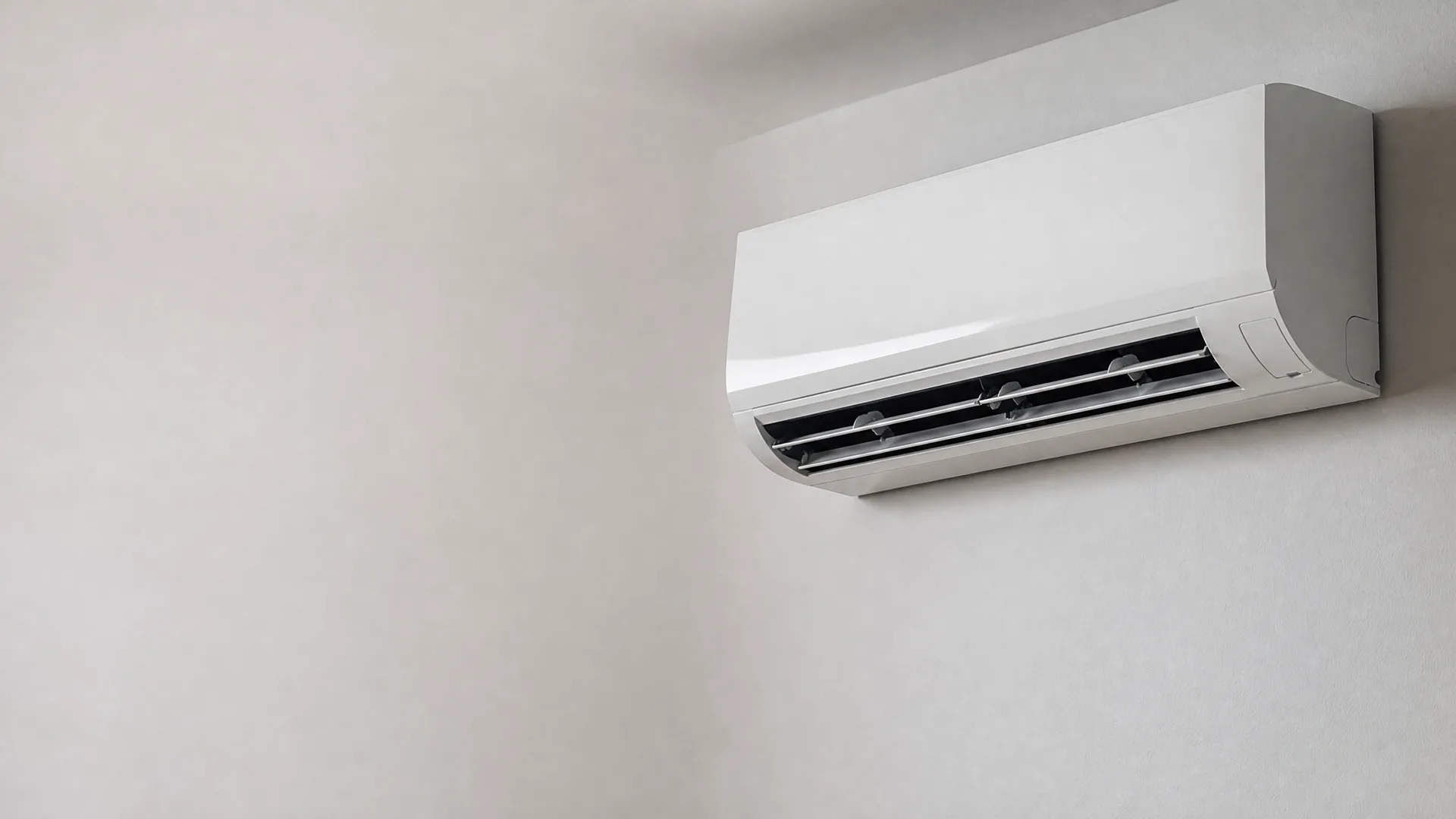
New Jersey runs among the highest electric rates in the country, so a mini split working harder than it should isn't a small thing on the bill. The same unit placed to face the room you actually occupy, rather than an entry or a corner it has to clear first, reaches your thermostat setting and stops. Over a full summer that difference is hours of runtime you're paying for and not getting any comfort from.
You've got a spot on the wall picked out, but you're not sure if height matters or if the installer just centers it wherever looks right. With summers here getting sticky, you want the unit actually moving air through the room, not just sitting up there.
A mini split's indoor unit mounts high on the wall, close to the ceiling, because that's how the airflow is designed to work. Cool air drops as it leaves the unit, so starting near the ceiling lets it spread through the whole room on the way down instead of just blasting the nearest few feet of floor. It also needs clearance above it, usually a handful of inches, so air can pull in across the top and cycle through properly. Mount it too low or crowd the top, and it has to work harder to cover the same space, which on a New Jersey power bill means longer run times you'll notice.

A summer dew point averaging 63°F across June, July and August, per NOAA, is the kind of sticky that sits on your skin even after the temperature drops in the evening. That moisture load is what a mini split is actually working against, not just the degrees on the thermostat. A unit placed where it can pull air straight from the room you're sitting in will pull that moisture out steadily. One that's mounted to cover a hallway or a kitchen it doesn't really reach will run long and still leave the room you're in feeling damp. You'd notice it as a room that's cool but never quite dry.
NASA POWER T2MDEW county cells weighted by homes
Skip the round of in-home estimates for a new mini split.
There's no charge for the request.
A single indoor unit makes sense when you're trying to cool the room you're actually in, a main bedroom or an addition that the ducted system never reached well. It handles that one space and nothing else, and the installer has one wall and one line set to plan. If the rest of the house stays comfortable on its own system, this is the simpler job, and simpler means less exterior wall covered in line set and fewer wall penetrations to seal and maintain.
Some homes need more than one room covered, say the upstairs bedrooms plus a finished basement, and that calls for a multi-zone system with one outdoor condenser running several indoor heads. Each head still needs its own wall with a path outside, so the installer is now routing more than one line set back to the same outdoor unit, which takes more planning around where that unit sits and how far each run has to travel. It costs more upfront than a single zone, but it means you're not leaving half the house dependent on whatever the gas furnace can reach.


A mini split moves heat, it doesn't make cold air out of nothing. Refrigerant inside the indoor coil absorbs heat from the room, turns to a cold gas, and carries it out through the line set to the compressor outside. Every foot of that line set is a foot the refrigerant has to travel without losing pressure, which is one reason installers want the indoor and outdoor units reasonably close and lined up on the wall. Inside, the fan is doing the simple part: pulling room air across the coil and pushing it back out. If a dresser, a curtain, or a headboard sits in front of where that air comes out, the unit is fighting its own placement before it ever reaches the far side of the room. Above and in front of the unit needs to stay open too, since it has to pull a full return of air to read the room accurately. That matters because the thermostat isn't on your wall anymore, it's built into the indoor unit itself. Wherever it hangs is the spot it treats as the whole room's temperature. The condensate line adds its own rule: it has to pitch downward the entire way to the outside, so the wall an installer picks has to allow for that drop, not just a clear shot for the line set. Outside, the compressor needs open air on at least two sides to breathe, which can rule out a wall that otherwise looks convenient.



Where the indoor unit goes comes down to one test: it should face the room you actually sit in, with a short, clear path to the outside for the line set. Get that right and the unit cools the space you live in without fighting a hallway or an empty corner. Get it wrong and it runs longer than it should, every muggy day from June through September, on some of the highest power rates in the country.
You don't have to work out the rest on your own. Instead of searching for installers, calling a few, explaining your layout over and over, and comparing quotes that are hard to put side by side, you send one form and a licensed contractor who installs mini splits in New Jersey homes takes it from there. They'll look at your walls, your line set path, and the room you want cooled, and tell you exactly where the unit belongs in your house.

Let someone else find the pro