 Match me with a pro
Signs your AC is low on refrigerant in New Jersey
Tell a local repair pro what your air conditioner is doing.
Your AC is running but the air coming out isn't cold the way it should be, or the house just won't get down to temperature no matter how long it runs. In New Jersey, with the air as sticky as it gets from June through September, that's the kind of thing you notice fast. Low refrigerant is one of the reasons it happens, and it's not something to leave alone. A system low on refrigerant has to work harder to do less, and on a system that already runs long hours against summer humidity, that adds up.
Refrigerant doesn't get "used up" the way fuel does. If your system is low, it's because it's leaking somewhere, and that leak doesn't fix itself. It also won't get better on its own between now and next summer. The part that actually needs a trained eye is finding where the charge is low and where it's escaping, and that's not something to diagnose from a thermostat setting or a quick look at the outdoor unit.
That's the part a licensed contractor sorts out, someone who can check the charge, trace the leak and tell you what's actually going on with your system. What this page does is get you to that person without the usual runaround: no searching through listings, no calling three or four companies and repeating the same description of your AC each time, no sitting on hold waiting for someone to call you back. You answer a few questions about your situation and a contractor who handles this kind of repair in New Jersey reaches out to you directly.
Power here already costs more than in most of the country, and a system fighting a low charge all summer doesn't help that. Below, you'll find the specific signs that point to low refrigerant, so you know what you're looking at before anyone shows up.
Why is my AC blowing warm air in New Jersey?
You've got the AC running, maybe for hours, and the air coming out of the vents is lukewarm instead of cold. With New Jersey summers as muggy as they get, that's not something to wait on. The house stays sticky, the unit keeps running, and the electric bill climbs while nobody gets any relief from it.
Warm air usually means the system is low on refrigerant or the airflow is blocked
Refrigerant is what actually pulls the heat out of your house, so if the level dropped from a leak, the air coming through the vents won't be cold no matter how long the unit runs. A dirty filter or a frozen coil causes the same thing by cutting off the airflow the system needs to work. Either way, the unit keeps drawing power without doing its job, and in New Jersey, where electric rates run high and summer asks a lot of your AC, that shows up fast on the bill. A contractor can check the refrigerant charge and the coil to find out which one it is.




Does your house feel sticky even with the AC running
A system low on refrigerant can't pull the moisture out of the air the way it should, so the house feels damp and clammy even when the thermostat says you're close to your setting. You might see ice building up on the copper line or the indoor coil. You might hear a hissing or bubbling sound near the unit, which can mean there's a leak somewhere in the line. The air at the vents feels cool but not cold, and it takes longer and longer to bring the house down. Left alone, the compressor is doing more work than it should, and that's the part that's expensive to replace.
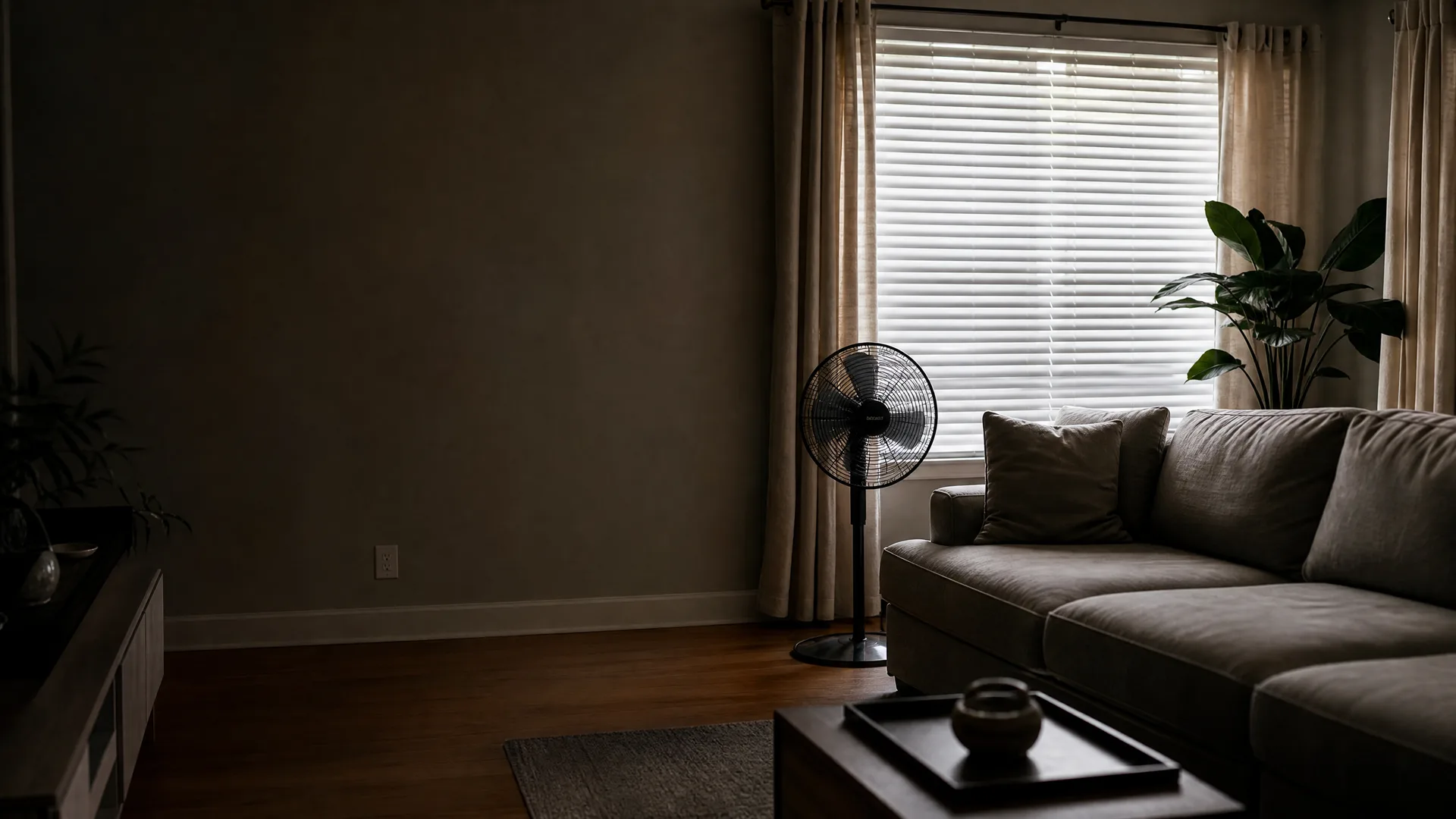
By three o'clock the blinds are shut against the sun and the floor fan is going full speed next to the couch, pushing the same warm air around instead of cooling anything. You've had the AC running since noon. The thermostat still reads four degrees above where you set it. Your shirt is sticking to your back and the dog's stretched out on the hardwood by the hallway, away from the vent, like the air coming out of it isn't worth lying under anymore. You keep checking the display, half expecting the number to drop if you wait a little longer. It doesn't. Outside the window the street is empty, nobody's out in it, and the house just sits there heavy with it, another July afternoon that won't break.



Refrigerant leaks slowly from a cracked line or worn coil fitting
The compressor keeps pulling on a charge that keeps shrinking
Pressure in the coil drops low enough for moisture to freeze on it
Ice builds along the coil and blocks airflow moving across it
Low Refrigerant or Something Else
Low Refrigerant
- Airflow at the vents stays strong, but the air itself doesn't feel cold even with the system running steady.
- Ice forms on the copper line or the indoor coil, and it keeps coming back even after it melts off.
- The compressor runs long stretches without the house ever reaching the temperature on the thermostat.
- A hissing or bubbling sound near the indoor unit can mean refrigerant escaping through a crack or worn fitting.
- The problem gets worse over weeks or months as more refrigerant leaks out, not better on its own.
Other AC Problems
- Weak or no airflow at the vents usually points to a failing blower motor or a duct that's blocked, not refrigerant.
- A system that won't turn on at all is more likely an electrical issue, a bad capacitor, or a tripped breaker.
- Short cycling, where the AC turns on and off every few minutes, often comes from a thermostat or sensor problem.
- Warm air blowing right away, with no ice and no hissing, can mean the compressor itself has failed.
- A burning smell or tripped breaker points to a wiring or motor issue, something refrigerant level won't explain.


A local pro for your air conditioner repair
A system low on refrigerant doesn't fix itself by running longer. It leaks slowly, so a unit that's cooling fine in May can be struggling by August, and by the time you notice warm air or ice on the line, the compressor has been working harder than it should for weeks. That's wear that adds up on top of a power bill that's already among the highest in the country. Finding out takes a gauge on the line and someone who knows what the pressure should read for the unit you have. Instead of pulling up a list of HVAC companies, calling each one, describing the same symptoms over and over, and weighing quotes against each other while your house stays sticky, you can hand off the legwork. Fill out the form once and a contractor who covers your part of New Jersey takes it from there, so you can stop chasing estimates and get back to a house that actually cools.
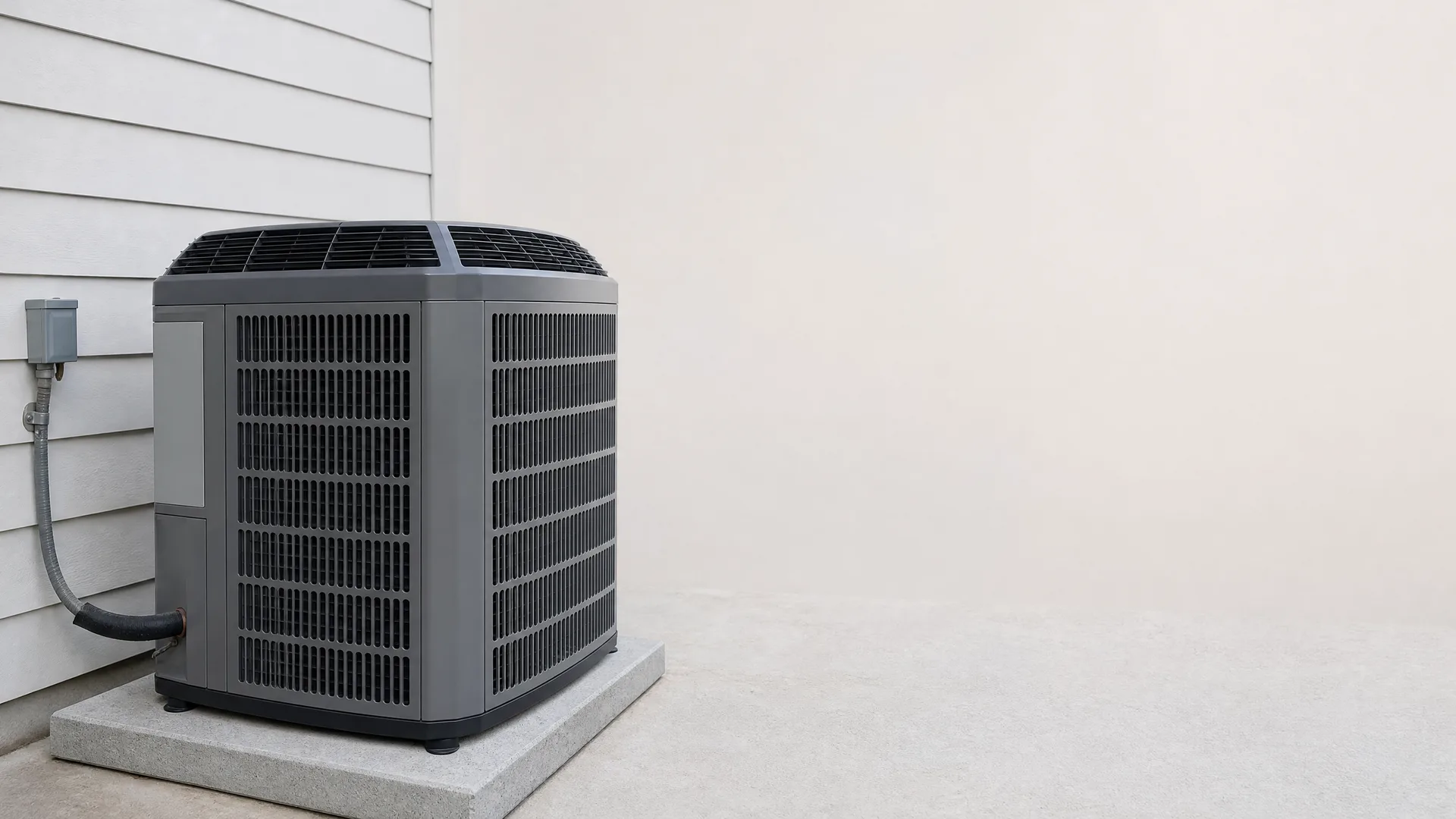
Refrigerant doesn't get used up
A furnace burns gas and an air conditioner doesn't burn refrigerant. The same charge is supposed to cycle through the coil and compressor for as long as the system runs, year after year. If the level has dropped, it only got out one way: through a leak somewhere in the line set or the coil itself. A system that needs refrigerant added needs that leak found, not just topped off.
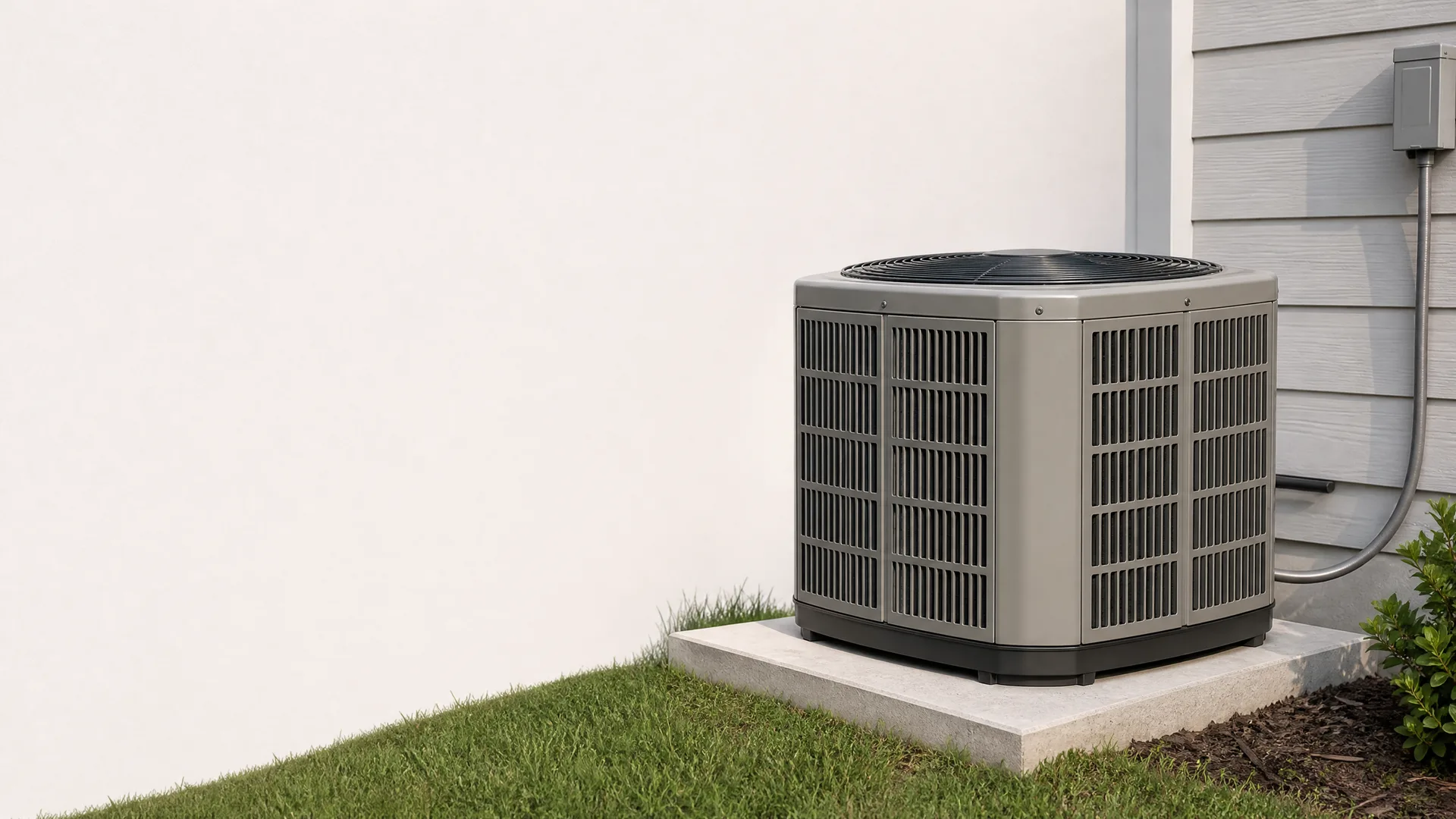
A low charge raises the bill
New Jersey already has some of the higher electric rates in the country, and a compressor straining to cool a house on a weak charge pulls more power to do less work. It runs longer to chase a setpoint it can't reach, which shows up on next month's bill before you've even pinned down why the house still feels muggy. The unit isn't broken outright, it's working harder for less air.

What a low charge does to your house, day after day
A system that's lost some of its charge doesn't just make the house less comfortable. It runs longer to chase a setting it can't reach, and in New Jersey, where the power bill is already one of the higher ones in the country, that extra runtime shows up fast. You'll see it in July's bill before you see it anywhere else, since that's when the compressor is working the hardest to make up for refrigerant that isn't there.
There's also the part you can't see from the thermostat. A compressor running low on charge for weeks runs hotter than it's built to, and that kind of strain is how a slow leak turns into a bigger repair. Instead of tracking down a contractor yourself, calling a few, and explaining the same warm-air problem each time, you can get matched with one who handles this and have them reach out to you directly.

Power costs 22.48 cents per kilowatt-hour statewide
At 22.48 cents per kilowatt-hour, a system that's low on refrigerant costs you more every hour it runs long trying to reach a temperature it can't hit. That extra runtime shows up on your bill before the warm air at the vents tells you something's wrong.
EIA-861 2025 statewide residential average



New Jersey summers carry a dew point around 63°F on average across June, July and August, according to NOAA climate data. That's heavy, damp air, the kind that makes a properly charged AC work to pull moisture out along with heat. A system low on refrigerant can't do both. It'll cool the air some but leave the moisture behind, so the house feels clammy even with the thermostat close to where you set it. You end up with sheets that feel damp, windows that fog, a general stickiness that a fan can't fix. That dampness is often the first thing people notice, before they ever think to check the vents for warm air.
NASA POWER T2MDEW county cells weighted by homes
Warm air at the vents, ice on the line, a house that stays sticky no matter how long the system runs. Any one of those points to the same thing: your AC doesn't have the refrigerant it needs to do its job. It won't correct itself, and running it longer only asks the compressor to work harder against a charge that keeps shrinking. Instead of searching through contractors, calling a few, explaining the same problem on each call, then sitting with quotes trying to work out who to trust, you can be matched with a contractor who handles this kind of repair and have them reach out to you directly. You already know what you're dealing with. What's left is getting a licensed contractor to the house to find the leak, recharge the system, and get cold air moving through the house again before another muggy afternoon goes by.
Get the right pro for your air conditioner
Skip searching for an air conditioner pro and answer a few questions instead.