 Match me with a pro
Why your AC won't turn on in New Jersey
Tell a local repair pro what your air conditioner is doing.
You went to turn the AC on and nothing happened. No hum, no air, maybe not even the click you're used to hearing. In New Jersey, that's not a problem you want to sit with. Once the heat and humidity settle in, a house closes up fast, and a day or two without cooling is a long day or two.
There's a reason it's worth sorting out quickly instead of waiting to see if it fixes itself. A system that won't start at all is usually telling you something specific: power isn't reaching it, a safety switch has tripped, or a part inside has failed. None of those get better on their own, and running the system off and on while you guess can turn a simple fix into a bigger one.
You don't need to figure out which of those it is before you do anything. What you need is someone who works on these systems for a living, in your area, who can look at your specific unit and tell you what's actually wrong. That's a different thing than reading about common causes online. Your furnace might be gas and your electric rates among the highest around, but the AC itself is its own system, with its own wiring and its own failure points, and it takes someone standing in front of it to know which one you're dealing with.
That's what this page connects you to. Tell it a little about your situation and it matches you with a contractor who handles AC repair in your area, someone who takes it from there. You're not left to track down names or make calls comparing quotes. Once you send the form, it's off your plate. The contractor reaches out to you.
Enter a few details below and let someone who knows these systems take it from here.
A dead AC usually comes down to one of a few things. The thermostat might be set wrong or out of batteries, which is the easy fix. More often, a breaker tripped, or a safety switch shut the system down on purpose, which happens when a condensate pan fills up or a filter is so clogged the system senses trouble and stops itself before something worse happens. Sometimes the problem is bigger: a bad capacitor, a failed contactor, or a compressor that's drawing too much power and tripping the breaker every time it tries to start. None of these fix themselves, and running the system over and over while it trips isn't doing it any favors. In a New Jersey summer, a day without cooling turns a house sticky and uncomfortable fast, and a part that's struggling now is a part that fails completely when you need it most. Figuring out which of these it is takes someone who can test the system rather than guess at it.


Most dead ACs trace back to a float switch by the indoor coil. It senses the condensate pan filling up and cuts power before water gets to your ceiling. There's no button to reset. It drops back down once the line drains, so a clogged drain is almost always behind it. A breaker tells a different story. Reset it once. If it trips again right away, that's a capacitor or a shorted compressor, not a loose wire, and resetting it again won't help. There's also a disconnect box mounted outside near the compressor, separate from the breaker panel, and if that block is pulled or loose the outdoor unit gets no power at all, with nothing to see from inside. Since the furnace blower usually moves the air for your AC too, a furnace control board acting up, or a panel left open, can block cooling even when the outdoor unit runs fine. And a slow refrigerant leak won't trip anything. The compressor keeps running. The house just never cools.
Why It Actually Stops
- A safety switch near the indoor coil shuts the whole system off the moment the condensate pan gets too full, before water ever reaches your ceiling.
- That float switch has no reset button; it drops back down on its own once the pan drains, so a clogged drain line is the usual cause.
- A tripped breaker can also look like a dead switch, but a breaker that trips again right after reset usually means a bad capacitor or a shorted compressor, not a loose wire.
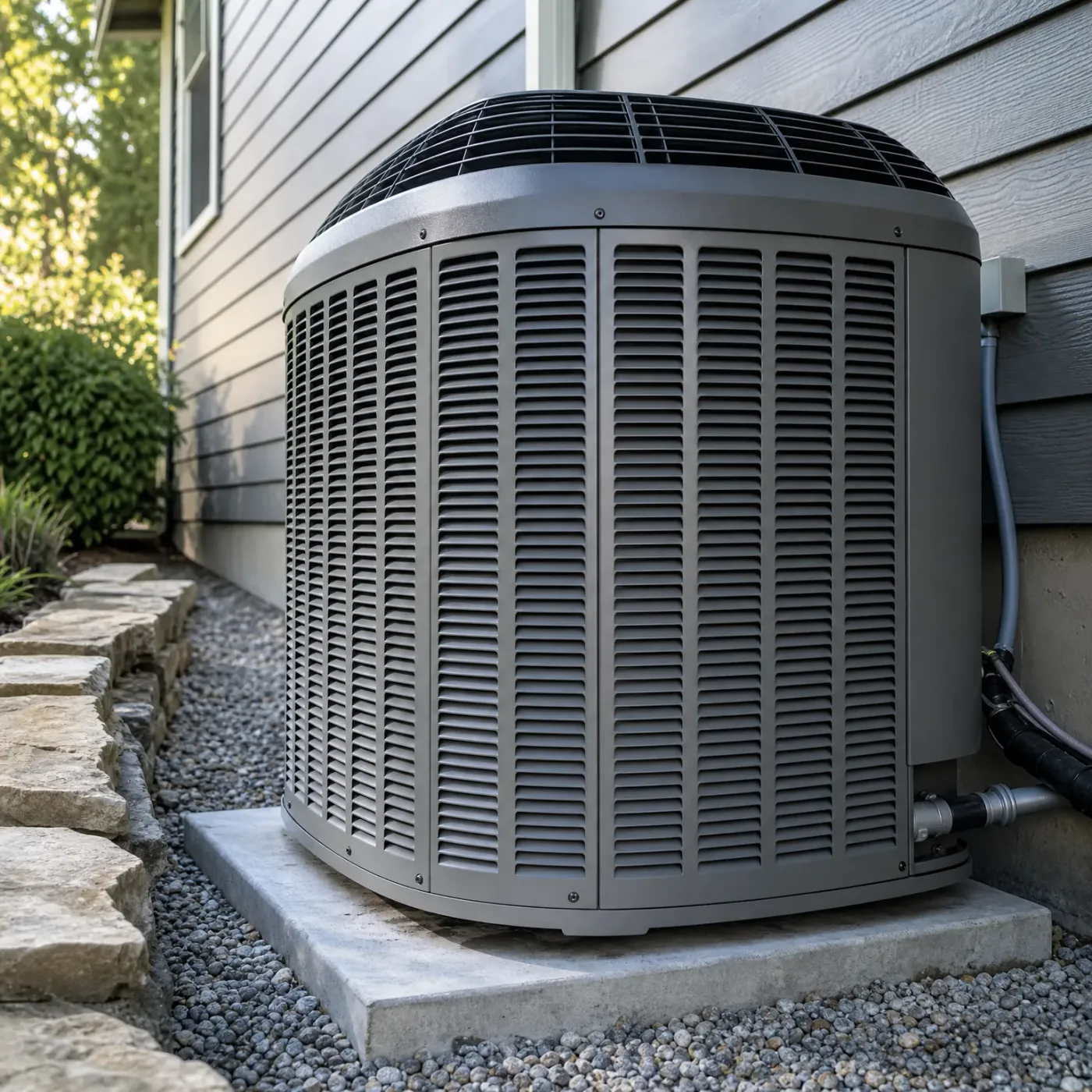
- Outdoors, a separate disconnect box feeds power to the compressor and fan, and a pulled or loose block there will stop the unit with no warning inside the house.
- Inside, the furnace blower often moves air for the AC too, so a furnace control board problem or open panel can block cooling even though the outdoor unit looks fine.
- Low refrigerant from a slow leak won't trip a switch at all; it just lets the compressor run while the house never actually cools.




A pro who works on air conditioners
After this form, you can stop searching for an air conditioner pro.
Describe your air conditioner job, and a local pro who handles it gets in touch.
There's no charge for the request.

A dead AC in a closed-up house doesn't stay harmless for long
Once your house is shut tight against the heat outside, it holds that heat in too. Upstairs bedrooms climb first. If anyone in the house is older, very young, or has a breathing condition, a hot house for a day or two is more than an inconvenience. Food in the fridge is fine, but a sticky house makes everyone in it miserable fast, and New Jersey summers don't let up to give you a break.
There's also what you don't see: a tripped breaker or a full condensate pan is the system telling you it stopped itself before something worse happened. Leave it alone too long and a small fix turns into a bigger one. Once you send in what's going on, you're not the one who has to track down who's free and who knows your kind of system. That part gets handed off, and a contractor who covers your area reaches out to you directly.

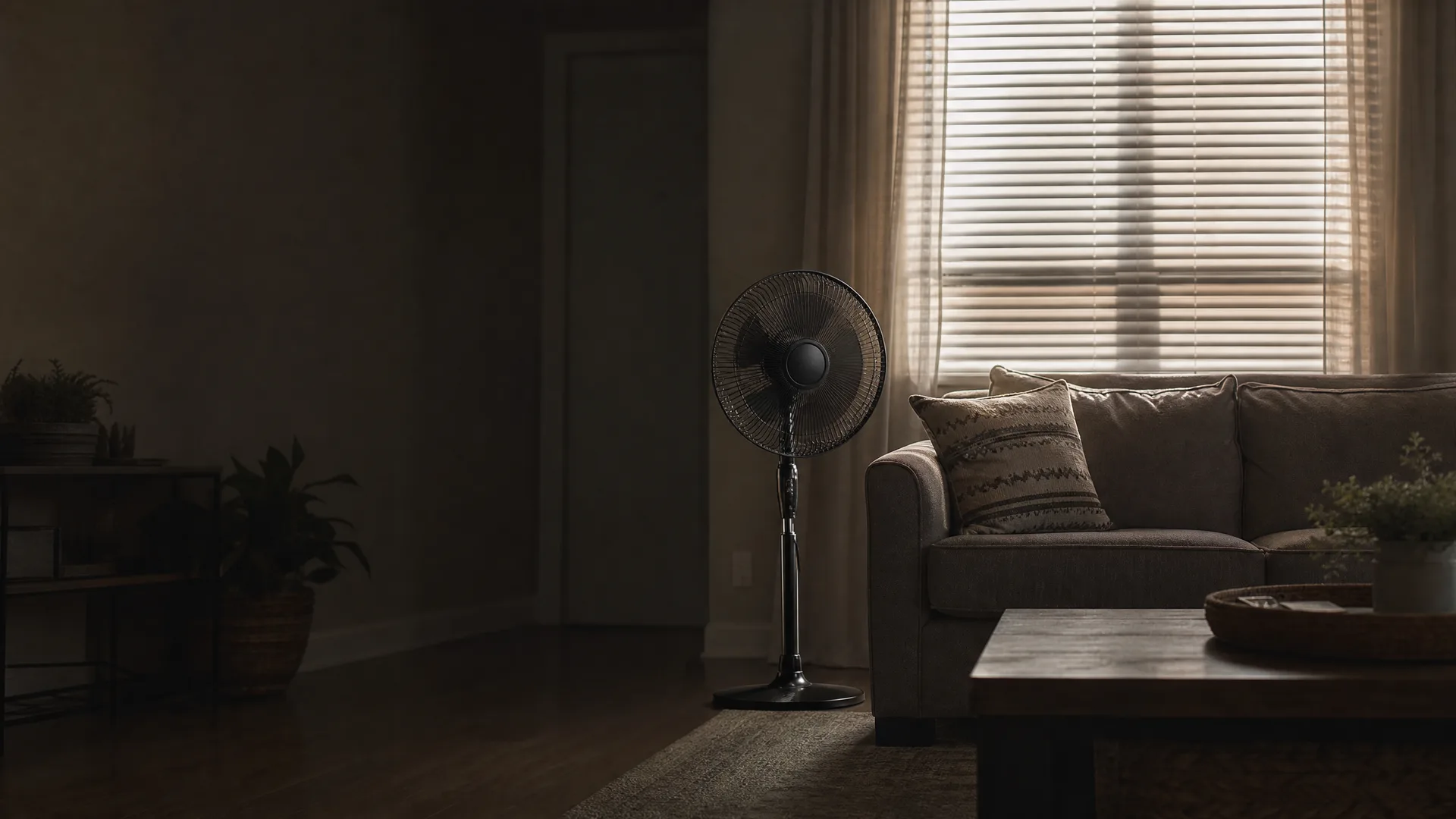
The blinds have been down since noon, but the living room still feels close to ninety. The floor fan next to the couch is on its highest setting, pushing the same warm air back and forth. Outside, the light is flat and white, the kind of July afternoon New Jersey gets when the air sits heavy and nothing moves. You've stopped checking the thermostat every few minutes. The dog is stretched flat on the tile by the kitchen, away from the rug. A glass of ice water is sweating a ring onto the side table, the ice already gone soft. Somewhere down the hall a door is propped open, trying to get any air to cross the room.
Power costs 22.48 cents per kilowatt-hour statewide
At 22.48 cents per kilowatt-hour, every hour your AC runs short-cycling or straining to catch up costs more here than almost anywhere else. A repair that gets it back to running normally keeps that rate from working against you.
EIA-861 2025 statewide residential average


What a Dead AC Usually Means
- A thermostat that won't respond, a tripped breaker, and a full condensate pan account for most AC failures in New Jersey homes.
- A float switch shutting the system down is doing its job, stopping water damage, not malfunctioning on its own.
- Heat builds fast in a closed-up house, and upstairs rooms climb first once the AC stops moving air.
- At over 22 cents per kilowatt-hour, a system straining to catch up costs more here than it would almost anywhere else.
- Sending in the details is the last step on your end; a contractor takes it from there.
- Most of what stops an AC cold is a known problem with a known fix, not a mystery.
Most of the time, a silent AC is one of a handful of ordinary things going wrong, not something rare or complicated. A thermostat loses its batteries. A breaker trips. A pan fills and a float switch does exactly what it's built to do, cutting power before water gets into the ceiling below. None of that means the system is wrecked. It means something specific stopped it, and that something can be found and fixed.
What makes it urgent here is the house around it. Once the heat gets in and the doors stay shut against it, that heat has nowhere to go. Rooms upstairs feel it first, and if anyone inside is older or young or deals with breathing trouble, a warm house stops being just uncomfortable. Letting it sit a few more days to "see if it resets on its own" usually just means more hours of a system pulling hard at 22 cents a kilowatt-hour, or no system running at all while the house keeps heating up.
The fix usually doesn't take long to find once someone's looking at the actual unit, the actual pan, the actual breaker panel. That's the part that stops being your problem the moment the details go in. A contractor picks it up from there, and what was a dead AC and a hot house becomes someone else's list to work through, not yours.
Get your air conditioner to the right pro
Send it once and finding someone is no longer on you.