A dirty filter cuts cooling before it cuts power
A clogged filter starves the indoor coil of airflow. The unit keeps running and your bill keeps climbing, but the room stops getting cold.
You caught this before it turned into a bigger problem, which is the right move. Your mini split is running, maybe even blowing air, but that air isn't cold, or the room just isn't dropping to where you set it. In a New Jersey summer, when the air outside is thick and sticky, a mini split that's merely moving air instead of cooling it falls behind fast, and you want to know what's actually wrong before it gets worse.
A clogged filter blocks airflow across the indoor coil, so the unit runs but can't pull enough heat out of the room. That's the easiest fix to check for yourself. If the filter is clean and it's still not cooling, the refrigerant charge is probably low, usually from a slow leak in the line set, and that's not something you can see or fix by looking at the unit. A mini split low on refrigerant will often run constantly without the room ever reaching your set temperature, which in a muggy New Jersey summer means long stretches of running for little relief and a higher power bill, given how much electricity costs here.


A clogged filter starves the indoor coil of airflow. The unit keeps running and your bill keeps climbing, but the room stops getting cold.
A mini split that's low on refrigerant is leaking somewhere in the line. It needs to be found and sealed before a recharge holds.

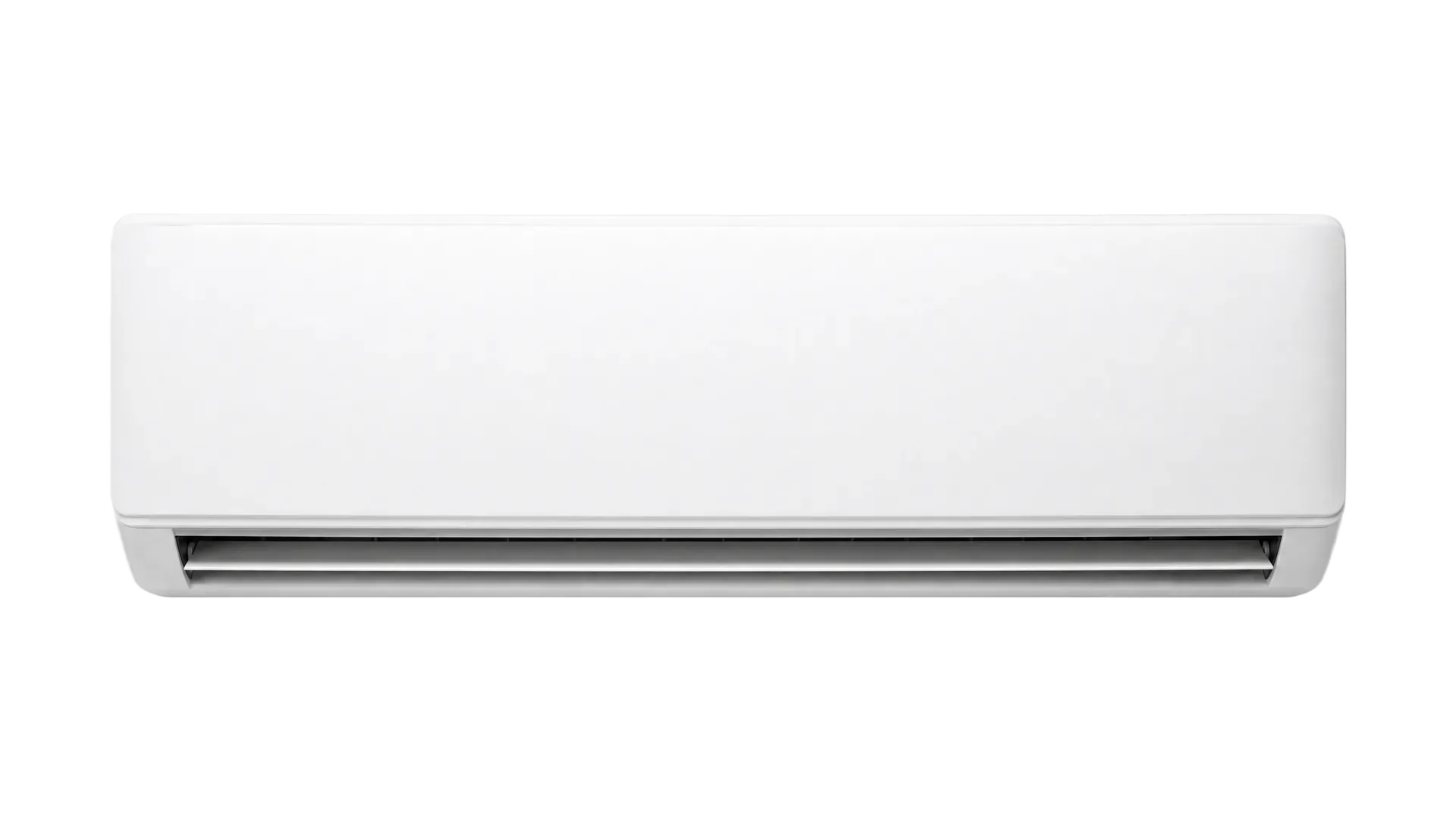
This is what a mini split looks like when it's keeping up. Air moves freely across the indoor coil and out into the room, so the thermostat setting and the air actually coming out match.

Dust and grime like this build up slowly, coating the vents and the top of the unit. Once it covers the coil, the unit can't pull heat out of the air the way it should, no matter how long it runs.




Fill out one short form instead of calling around.
No charge to send it. You decide if you hire them.
A mini split that can't cool runs longer to chase the same temperature, and in New Jersey that extra runtime hits a power bill that's already among the highest rates in the country.
The fix is usually a filter, a charge, or a coil, not a new system, so the cost of waiting is higher bills now, not a bigger repair later.
At 22.48 cents per kilowatt-hour, a mini split that's lost its cooling but kept running costs you more for less comfort. It's pulling the same power to blow warm air as it would to actually cool the room, so a stuck problem shows up fast on the next bill.
EIA-861 2025 statewide residential average
A technician looks at the indoor coil, checks the refrigerant charge, and pulls the filter in one visit. That covers the problems that actually stop a mini split from cooling. You get a diagnosis and, in most cases, a fix on the same trip, instead of guessing which part is at fault or replacing parts one at a time to see what helps. Being matched with a contractor who handles mini splits means you skip the part where you call three companies, describe the same symptoms three times, and wait to hear back from whoever answers first. The match is based on what you actually need fixed, not a general listing.
You could run it another week and see if it gets worse. Some homeowners do, especially if the air coming out is still a little cool and the house isn't unbearable yet. But a mini split that's lost some of its cooling capacity tends to keep losing it, not level off. Meanwhile you're still paying New Jersey's power rates to run a unit that isn't doing its job well, and the search for a contractor still has to happen eventually. Waiting doesn't make that search easier later. It just moves it to a hotter week, with a less patient household and the same calls to make.


Warm air passes over the indoor coil and gives up its heat.
Refrigerant inside the coil absorbs that heat and turns to gas.
The compressor in the outdoor unit pumps the gas outside.
Outside, the coil releases the heat and the refrigerant turns back to liquid.

A mini split that won't cool your house in New Jersey almost always comes down to one of three things: a dirty filter, a low refrigerant charge, or a coil that can't shed heat. None of those fix themselves, and none of them mean the unit is done. A technician who gets eyes on it can usually tell which one you're dealing with in the same visit.
What you get from here isn't just a repair, it's being matched with a contractor who handles mini splits and has them looking at your specific setup. That means you skip the part where you search for someone local, call a few numbers, explain the same problem three times, and sit on quotes trying to compare them. You get connected, they reach out, and you go from a warm room to someone who can tell you what's actually wrong with it.


A mini split pro near you