
When it's working right
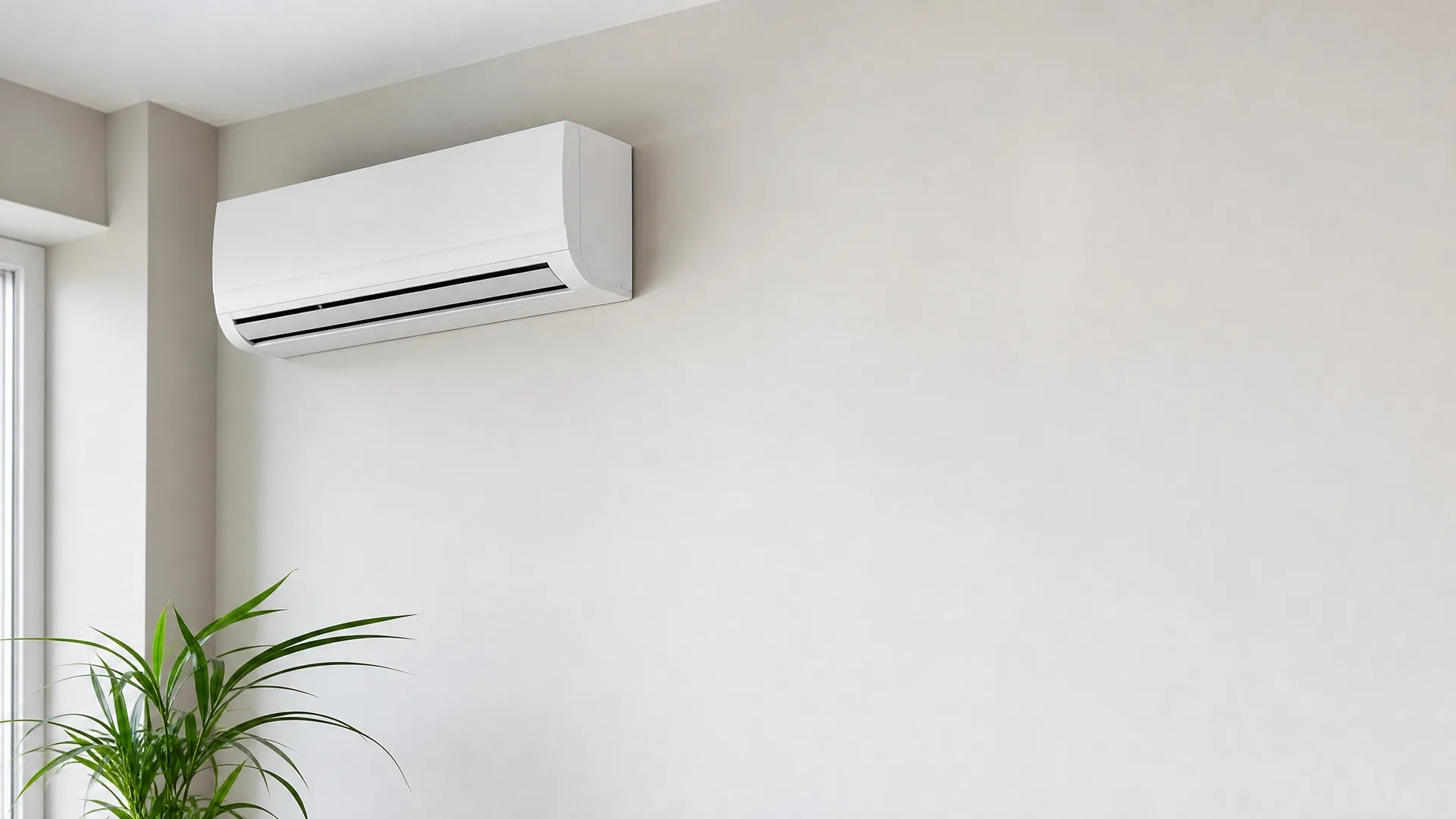
A mini split heating a room the way it should doesn't need to be loud or obvious. Warm air moves steadily from the vents, the wall unit stays clean, and the room holds its temperature without the system straining to keep up.
A Bergen County pro who repairs mini splits gets your request.
Match me with a proCold is settling in and the mini split is blowing air that never seems to warm the room. In Bergen County, with winters that get genuinely cold, that's not something to wait out. You want to know whether this is something simple or a sign the unit is struggling to keep up with the kind of cold Hackensack sees once the temperature really drops.
A mini split heats by pulling warmth out of the outdoor air, even when that air is cold, and pumping it inside. When temperatures drop hard in Bergen County in January, the unit has to work harder to do that, and anything already wrong with it, low refrigerant, a failing compressor, ice built up on the outdoor coil, shows up fast. A unit that kept up fine in November can fall behind once it gets into the 20s. Frost on the outdoor unit that doesn't clear on its own, or air coming out barely warm, usually points to something mechanical rather than just the cold. It needs a technician to check the refrigerant charge and the outdoor coil to find out which.

A mini split heating a room the way it should doesn't need to be loud or obvious. Warm air moves steadily from the vents, the wall unit stays clean, and the room holds its temperature without the system straining to keep up.

Dust and grime built up like this across the casing and filter block airflow before the heat ever reaches the room. A unit this soiled is working harder for less warmth, and in a Bergen County winter that shows up fast on the thermostat and the bill.
A mini split pulls heat from outside air even when it's cold out, which means the outdoor coil runs colder than the air around it. Moisture in the air freezes on that coil. The system is built to run a defrost cycle every so often to clear it off. When that cycle fails, ice builds up, less heat gets pulled in, and the air coming out of the indoor unit turns cooler and weaker.
The indoor unit has a sensor that reads the air right where it sits, not the room as a whole. If that sensor drifts or sits near a draft, the system thinks it's hit the set temperature and backs off, even though the rest of the room is still cold. This is why a mini split can show a warm number on the display while the air coming out feels barely different from the room.

A mini split that won't heat doesn't stay a small problem in your house. The room it serves gets colder day by day, and if that's where someone spends most of their time, you'll feel it before the thermostat shows it. Bergen County winters don't let up for long, so a unit that's struggling in December is likely to still be struggling in February, and the part causing it now isn't going to fix itself while you wait.
There's also the bill. A mini split that runs constantly trying to reach a temperature it can't hit is pulling power the whole time, and electricity here isn't cheap. Instead of spending evenings on hold with one company after another, or collecting quotes you have no way to compare, you can get matched with a contractor who knows mini splits and have them reach out to you directly about your system.

Cooling runs June through August
Cooling runs June through August. Three months is a short stretch, which means most of the year the burden falls on heat, not cooling.
Heat runs October through May
Heat runs October through May here. That's eight months your mini split needs to work, so a unit that won't heat is a long season to get through.
Power here costs 24.67 cents per kilowatt-hour
Power here costs 24.67 cents per kilowatt-hour. A mini split that's struggling to heat still draws power the whole time it runs, without the comfort to show for it.
NOAA nClimDiv 1991-2020 · EIA-861 2025

This is what a mini split looks like doing its job. The housing is clean, the vane sits open, and the air coming off it reaches you warm within a few feet of the wall. Nothing about it should call attention to itself. Set the thermostat and leave it alone.

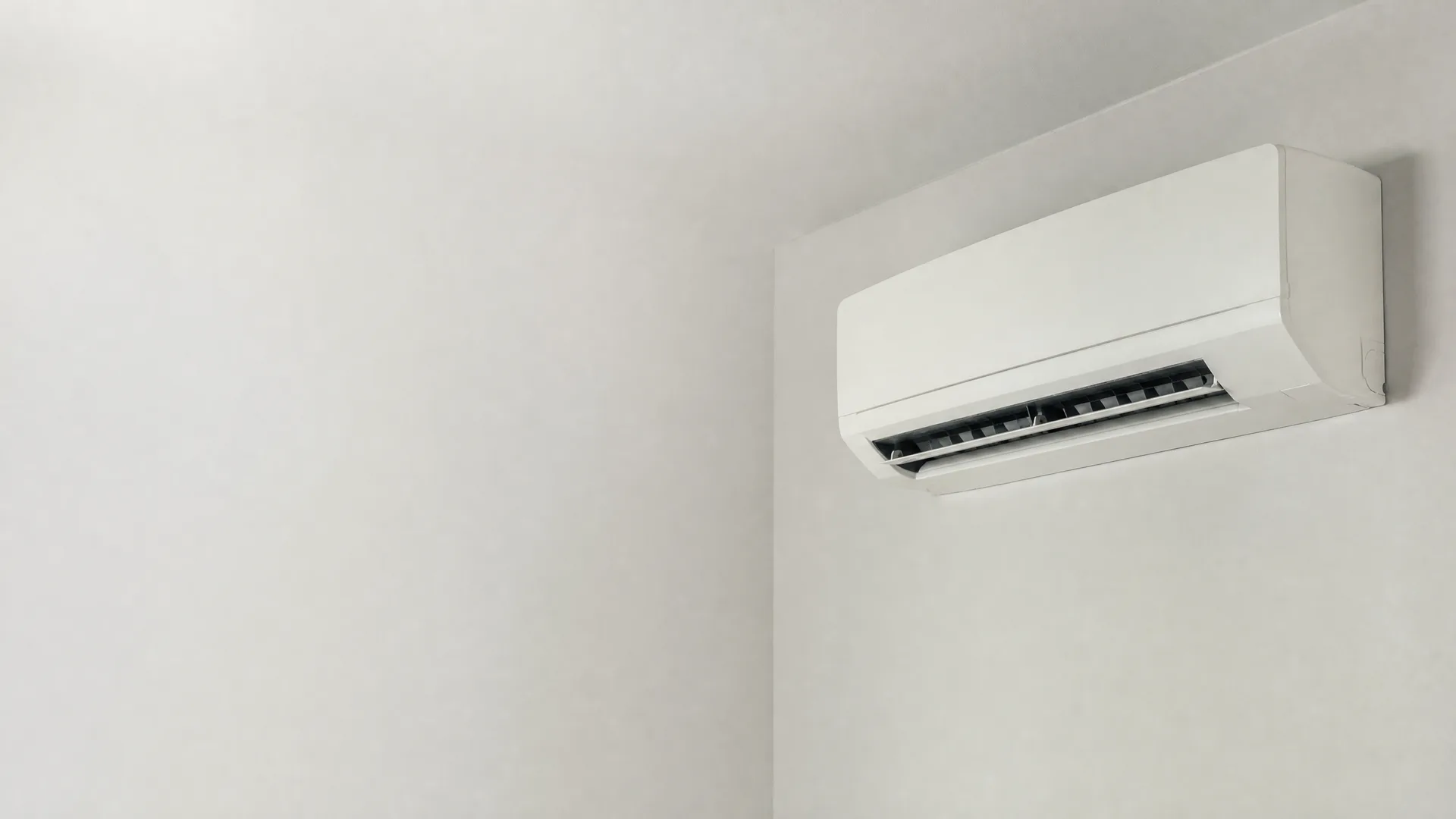
Dust has built up across the housing and the vane isn't opening the way it should. A unit that looks like this is usually pulling less air through the coil than it needs to heat the room, and the air that does come out falls short of warm. That's worth a look before it stops heating altogether.


Skip searching for a mini split pro and answer a few questions instead.
Your request goes to a Bergen County pro who takes mini split jobs.
You only hire the pro if you want to.




Calling now means a contractor looks at the outdoor unit, the refrigerant charge, and the board before the next cold snap turns a sluggish system into one that's iced over or dead. Most of what goes wrong with heat in a mini split, a failing reversing valve, a low charge, a frozen coil, gets harder to fix the longer it runs that way. You lose less by catching it early, and the room that's been running cold warms back up on a schedule you control.
Riding it out through January and February means the room stays cold while you decide, and a system already struggling to heat is more likely to ice over or shut down outright on the coldest nights, when you'd rather not be without it. It also means more calls to make later: finding someone available on short notice, explaining the problem over again, and paying whatever that urgency costs. None of that changes what's wrong with the unit. It just delays the point where you deal with it, usually at a worse moment than this one.


You keep calling around, explaining the same problem to each contractor, and comparing quotes while the room stays cold and whoever's home has to deal with it.
You answer once, and a contractor who handles mini splits in Bergen County reaches out to you. No more calls to make or quotes to sort through yourself.
Three months of cooling a year means your mini split spends the other nine carrying heat, not air conditioning. That's the load it has to hold up under all winter in Bergen County, so a breakdown now isn't a side job for it, it's the main one.
NOAA nClimDiv 1991-2020
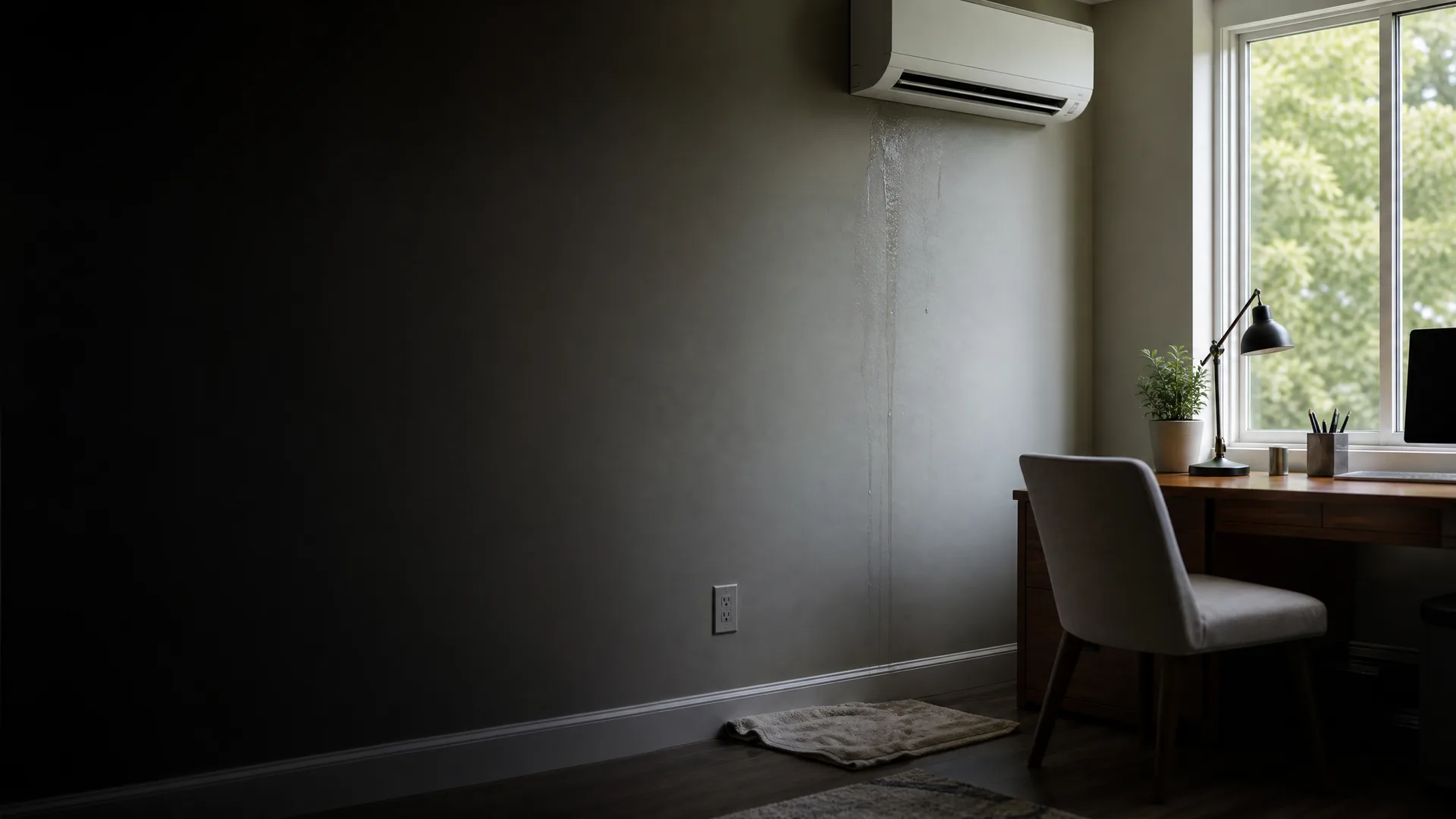
It's the middle of a summer afternoon and you're at the desk in the home office, trying to get through a few emails before picking up the kids. The mini split on the wall has been running all day against the Bergen County heat. You notice the wall under the unit first, a dark streak working its way down toward the baseboard. By the time you get up to look, there's a small pool forming on the floor, and you grab a towel to catch it before it reaches the rug. The unit is still blowing cold air like nothing's wrong.
A mini split that won't heat in Bergen County usually comes down to a handful of things: low refrigerant, a failing board, a frozen outdoor coil, or a part worn out from carrying the whole winter's load. None of those get better by waiting. What you need next is someone who can look at the outdoor unit and the charge and tell you which one it is. Finding that person is its own job, calling around, explaining the same cold room to each one, waiting on quotes that come back on different days for different amounts. Getting matched means you describe the problem once, to one contractor who works on mini splits in your area, and they call you. The room stays cold until someone gets to it, but at least you're not the one doing the legwork of finding who that is while everyone at home waits on the heat to come back.

Get your mini split to the right pro