
Running clean
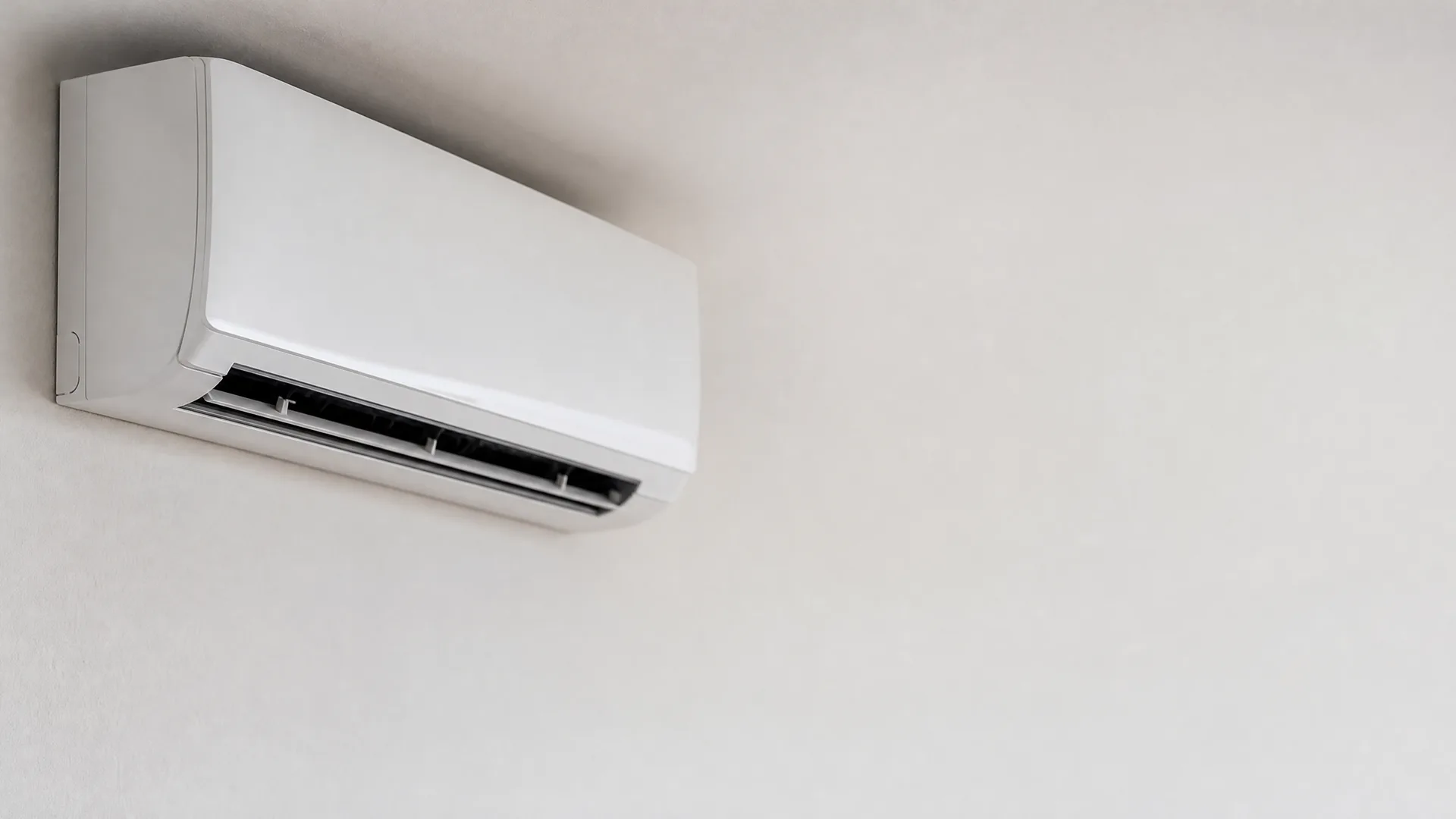
Air moves out of the vents cold, the coil stays dry, and the wall around the unit stays the color it was painted. This is what a mini split looks like when the coil can shed heat the way it's supposed to.
A mini split with ice on the coil won't cool the room until that ice is gone, and running it harder only keeps it frozen. That's a job for someone who works on these systems through every Newark summer and knows the usual reasons one freezes up, from a dirty filter to a refrigerant leak. Finding that person yourself means searching, calling a few numbers, explaining the same symptoms more than once, then weighing quotes against each other while the unit sits there iced over. Here, you ask once. You get matched with one licensed New Jersey contractor suited to the job, not a list of five companies competing for your callback. No sorting through bids, no repeating yourself to a second or third contractor. Tell them what you're seeing, let them take it from there.
You went to check why the room isn't cooling and found ice on the indoor coil, maybe even on the lines running outside. It's alarming to see ice on a unit that's supposed to be pumping out cold air in the middle of summer. You've probably already tried turning the fan up or the temperature down, and neither did anything. The unit just keeps running without actually cooling the room.
A frozen coil almost always comes down to one of two things. Either the indoor filter or coil is too dirty for enough air to pass over it, or the system is low on refrigerant because of a leak. Either way, the coil gets too cold, moisture in the air freezes on it, and that ice blocks even more airflow. It feeds on itself from there. The unit keeps running, the compressor keeps working, but the room stays warm because ice, not cold refrigerant, is what's sitting behind that fan now. Shutting it off and letting the ice melt is the only way to stop it getting worse while you wait for someone to find out which of the two caused it.
Ice on the coil means refrigerant is staying too cold for too long on its way through the system. Run the unit in that state and liquid refrigerant can make it back to the compressor instead of finishing its trip as gas. A compressor is built to pump vapor, not liquid, and it wears fast when it has to handle what it wasn't made for. That part is the most expensive thing in your mini split.
Someone who services mini splits around Essex County all summer sees the same handful of causes repeat. A dirty filter choking off airflow across the coil. A refrigerant level that's dropped from a slow leak. A blower wheel caked with dust turning too slowly to move enough air. Each one freezes the coil the same way but gets fixed differently, which is why a visual guess from indoors rarely settles it on its own.
Look at the indoor head and you'll likely see frost or solid ice across the coil, sometimes creeping onto the plastic housing. The airflow from the vents feels weak or just room temperature instead of cold. You might hear a hissing or gurgling sound as refrigerant moves through, or notice water pooling under the indoor unit as the ice melts between cycles. Outside, the line set may feel cold to the touch or have ice on it too. If you've kept running the unit hoping it works itself out, check the compressor housing outdoors. A compressor pushed too long while the system is frozen can fail outright, turning a repair into a full replacement.

Air moves out of the vents cold, the coil stays dry, and the wall around the unit stays the color it was painted. This is what a mini split looks like when the coil can shed heat the way it's supposed to.

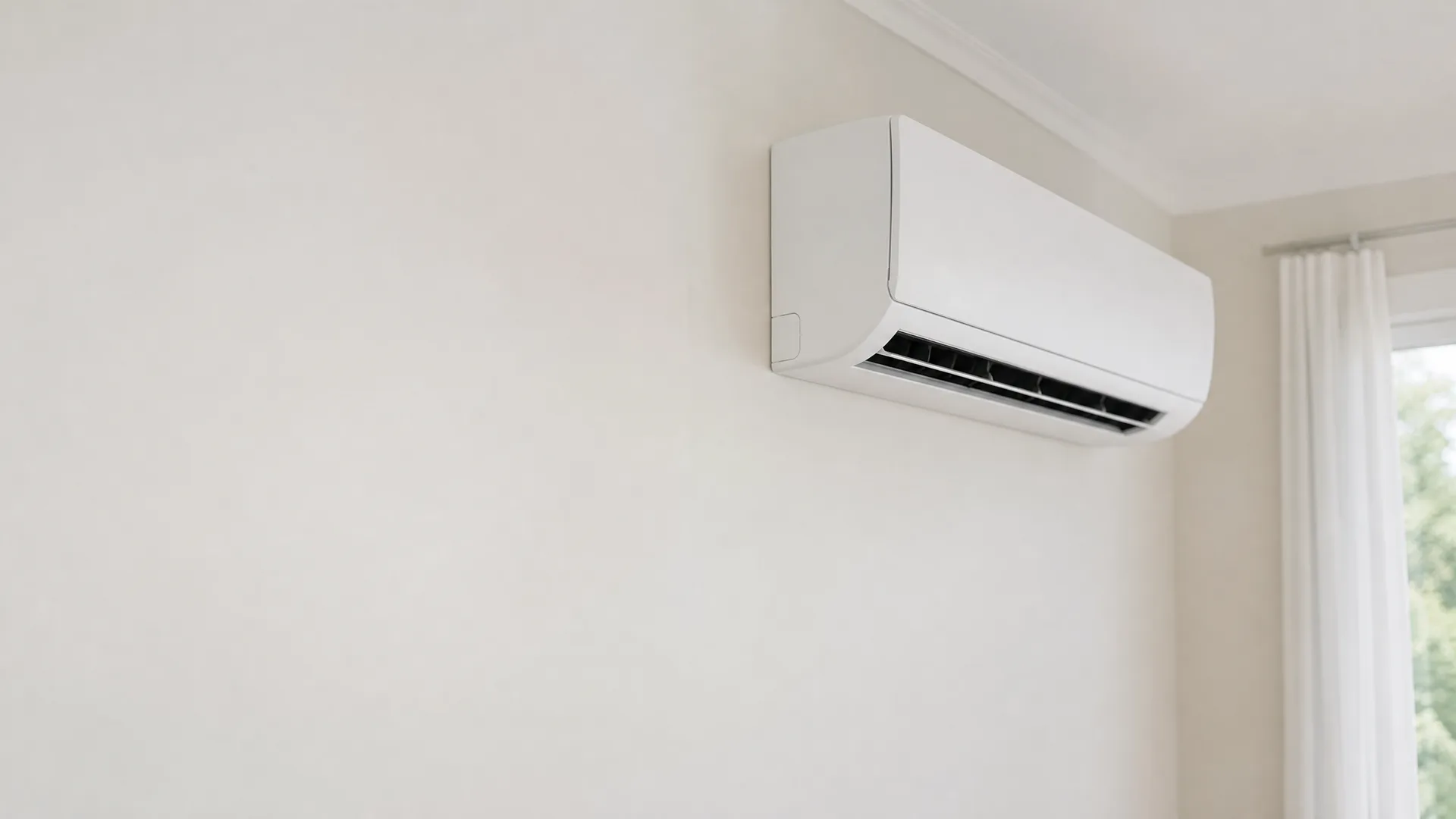
Dust has built up across the coil and the wall above the unit has darkened. A coil that dirty can't move heat the way it needs to, and that's often how the freezing starts in the first place.




You've already turned the unit off and let it sit, hoping the ice melts on its own, and now you're stuck figuring out who even works on mini splits around Newark. That search usually means calling a few places, repeating what you found on the coil each time, then sitting on quotes trying to guess which one actually knows this equipment instead of just window units and central air. A mini split that freezes is its own kind of problem, and it takes someone who sees that specific failure on Essex County systems every summer, not just whoever picks up first. Submitting the request here sends it to one contractor local to the area, someone who already knows the handful of things that usually cause a coil to ice over on these units and can speak to your situation directly instead of working from a script. No comparing bids from five companies, no explaining the ice three separate times. Just the one call, about the unit you actually have.
A mini split cools by moving heat, not by making cold air out of nothing. Refrigerant runs through the indoor coil cold enough to pull heat out of the air passing over it, then carries that heat outside. For that to work, air has to move across the coil steadily, warming the refrigerant back up before it cycles through again. Cut that airflow down, with a clogged filter or a blower wheel caked in dust, and the coil loses its one job: shedding the cold fast enough. It drops below freezing and starts pulling moisture straight out of the air onto itself as ice.
Low refrigerant does the same thing from the other direction. Less refrigerant means lower pressure in the coil, and lower pressure means colder metal, cold enough that the line itself frosts over rather than just running cool to the touch. Either way, once ice starts forming, it keeps forming. Ice is a worse surface for trading heat than metal, so the coil gets colder still, and the ring of ice grows out from the line into the housing.
The outdoor unit isn't separate from this. It shares the same refrigerant loop, so when the indoor coil backs up, the outdoor coil often frosts too. Inside the unit, a sensor is meant to catch the dropping temperature and shut the compressor off before things get this far. When that sensor fails, nothing stops it, and the unit keeps running itself colder instead of warmer.
Cooling runs June through August
Cooling runs June through August. A frozen coil in the middle of that stretch leaves you without relief on the hottest days of the year, not a mild inconvenience.
Heat runs October through May
Heat runs October through May. If the same unit handles your heat, a coil freezing up now cuts into eight months you depend on it, not three.
Power here costs 24.38 cents per kilowatt-hour
Power here costs 24.38 cents per kilowatt-hour. A unit icing up and running longer to chase a temperature it can't reach adds up fast at that rate.
NOAA nClimDiv 1991-2020 · EIA-861 2025
You shut the unit down, open the panel, and leave it be while the ice melts on its own. That part is free and it works, given enough hours. What it doesn't do is tell you why the coil froze in the first place. If the cause was a dirty filter you clear that yourself, but if it's a blower wheel caked with dust, a low refrigerant charge, or a stuck valve, the ice comes right back the next time the unit runs long enough to get cold again. You're left guessing at a cause you can't actually see.
A contractor who works on mini splits through Newark summers has seen this before and knows where to look first. They'll check airflow across the coil, pull panels to look at the blower wheel, and check the refrigerant charge with gauges you don't have. That tells you the actual cause instead of a guess, and it means the fix addresses what made the coil freeze rather than just waiting out the ice and hoping it was a one-time thing. One visit, one answer, instead of you taking the unit apart to find out.
Three months is the whole window you get to use this unit, so a frozen coil in July isn't a small setback, it's a chunk of the only cooling you have all year gone to waste. Once it's fixed, there's not much summer left to lose again.
NOAA nClimDiv 1991-2020

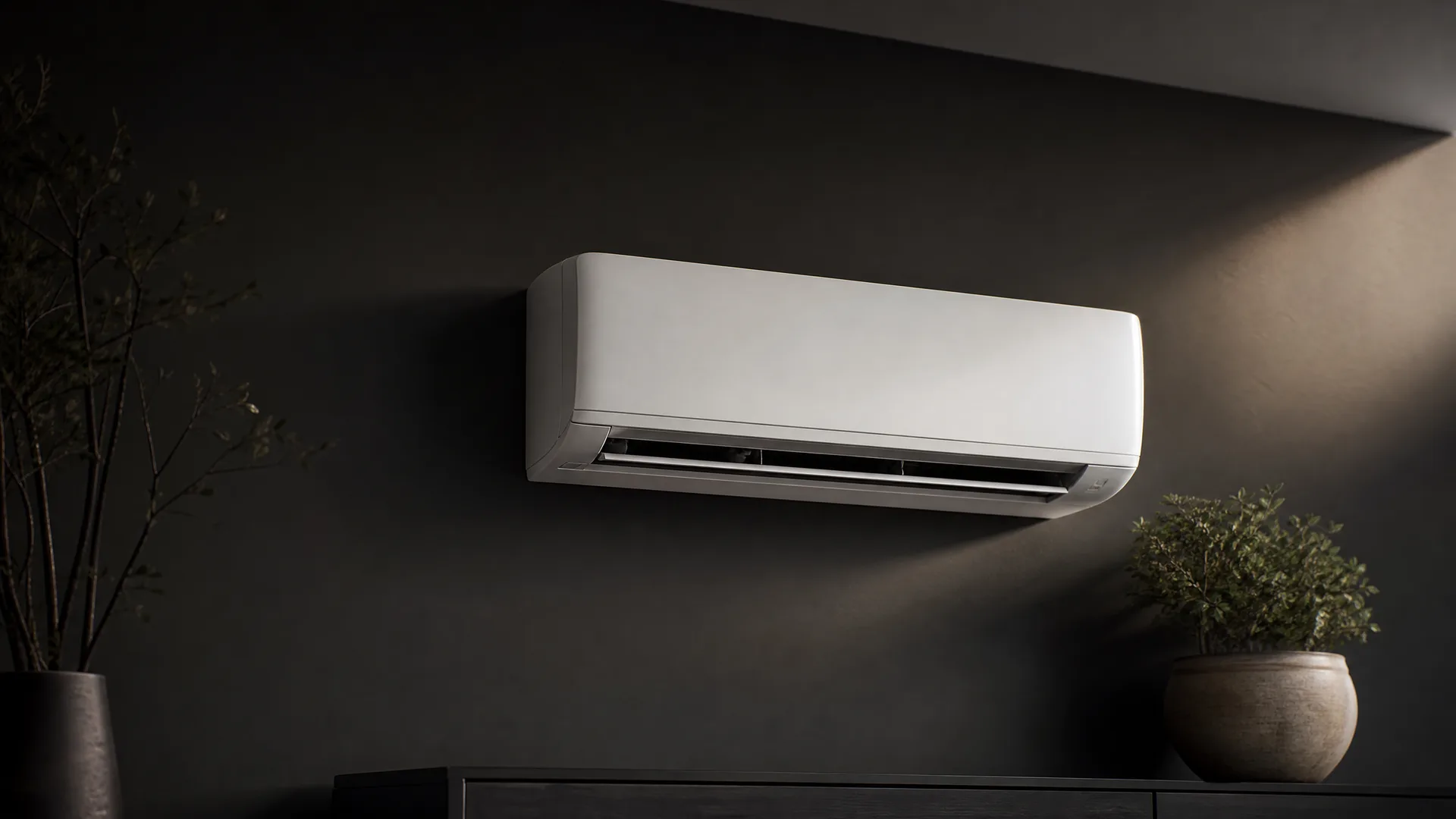
Cold air moves out of the vents, the coil stays dry, and the wall under the unit keeps the color it was painted. Nothing drips, nothing hums louder than it should. This is what the room feels like when the coil is clean enough to shed the heat it's pulling out of the air.

Dust sits on the casing and grime rings the vents, the kind of buildup that comes from a filter or coil that hasn't been cleaned in a while. That same grime cuts airflow across the coil, and less airflow is one of the usual reasons a coil turns to ice instead of just getting cold.
A frozen mini split comes back from one thing: whatever starved the coil of airflow or refrigerant gets fixed, and it stays fixed. Melting the ice yourself buys a few hours, not an answer. Someone who services these units all over Newark and Essex County every summer has likely already seen this exact unit, this exact symptom, and the handful of causes behind it, which means less time spent guessing and more time with the coil actually dry. You'll be matched with one licensed local contractor for this job, not a list of companies competing for your callback, so there's no need to repeat the story of the ice and the weak airflow more than once. They show up knowing mini splits, knowing what Newark summers do to them, and knowing where to look first. The room will cool again once the coil can shed heat the way it's built to. Until then, nothing changes by waiting it out.
No phone calls to make