Heat pump running all the time in Hackensack, NJ
Get matched with a pro who works on heat pumps in Bergen County.
Connect with a proA heat pump that runs nonstop in cold weather is often doing what it's built to do. Below about 30 to 35 degrees, a heat pump has to work longer and harder to pull enough heat from the outside air to keep your house warm, so on a cold Hackensack night it can run for hours at a stretch without that meaning something is wrong. What's worth paying attention to is whether your house is actually staying warm. If the air coming out of the vents feels lukewarm, if rooms stay cold, or if you notice ice building up on the outdoor unit, the system is struggling rather than just working hard. A dirty filter, a low refrigerant charge, or a failing defrost control can all force it to run constantly without keeping up. Left alone, that strain tends to wear on the system and shows up on your electric bill.
When nonstop running is normal
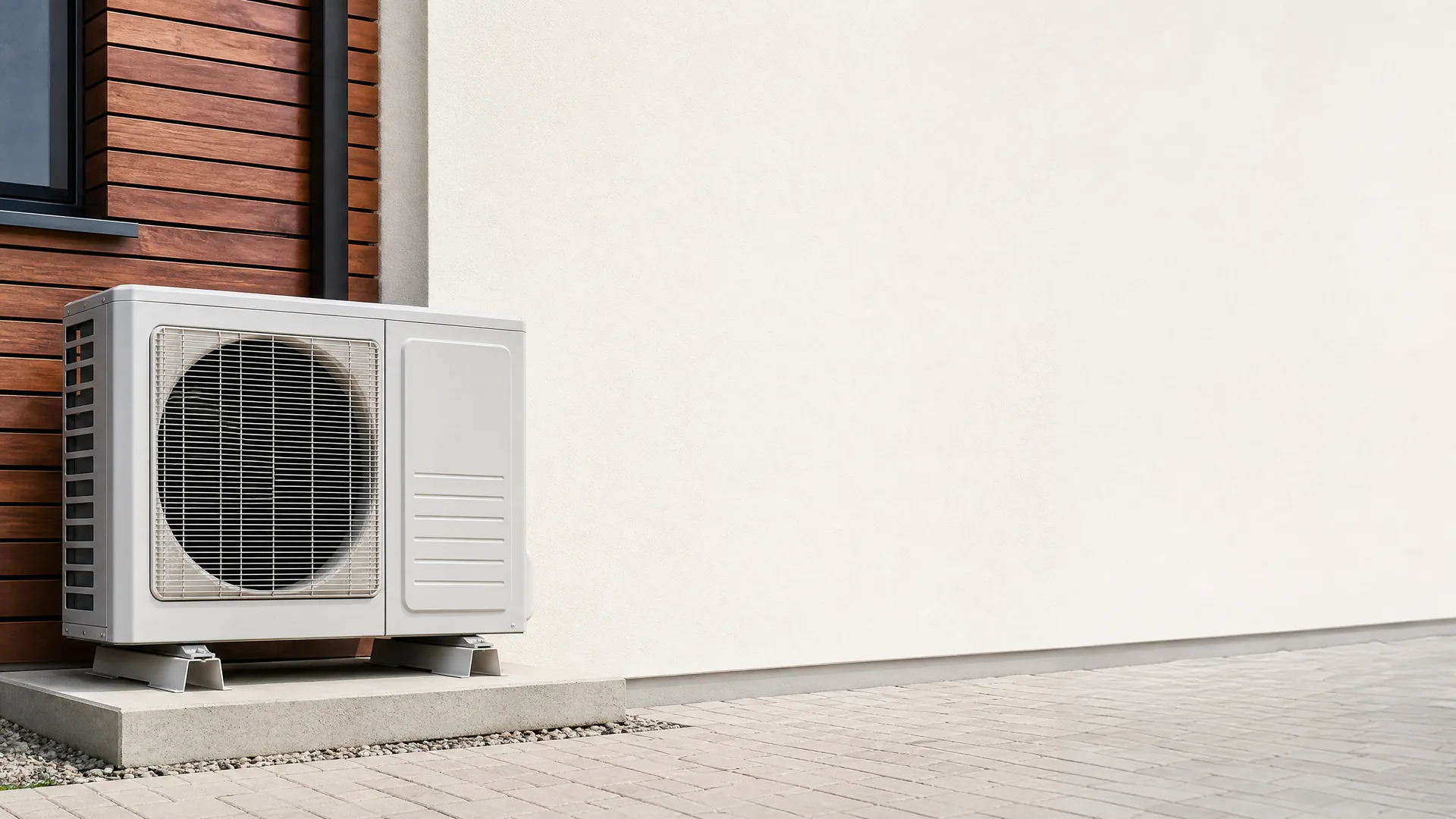
A heat pump pulls heat out of outside air, and the colder that air gets, the less heat there is to pull. Below freezing it may run for hours at a stretch just to hold your house at the temperature you set. That's the machine working as designed. It becomes a problem only when the house still feels cold, when the outdoor unit is caked in ice that doesn't clear, or when the system never seems to catch up no matter how long it runs.
What to check before you call
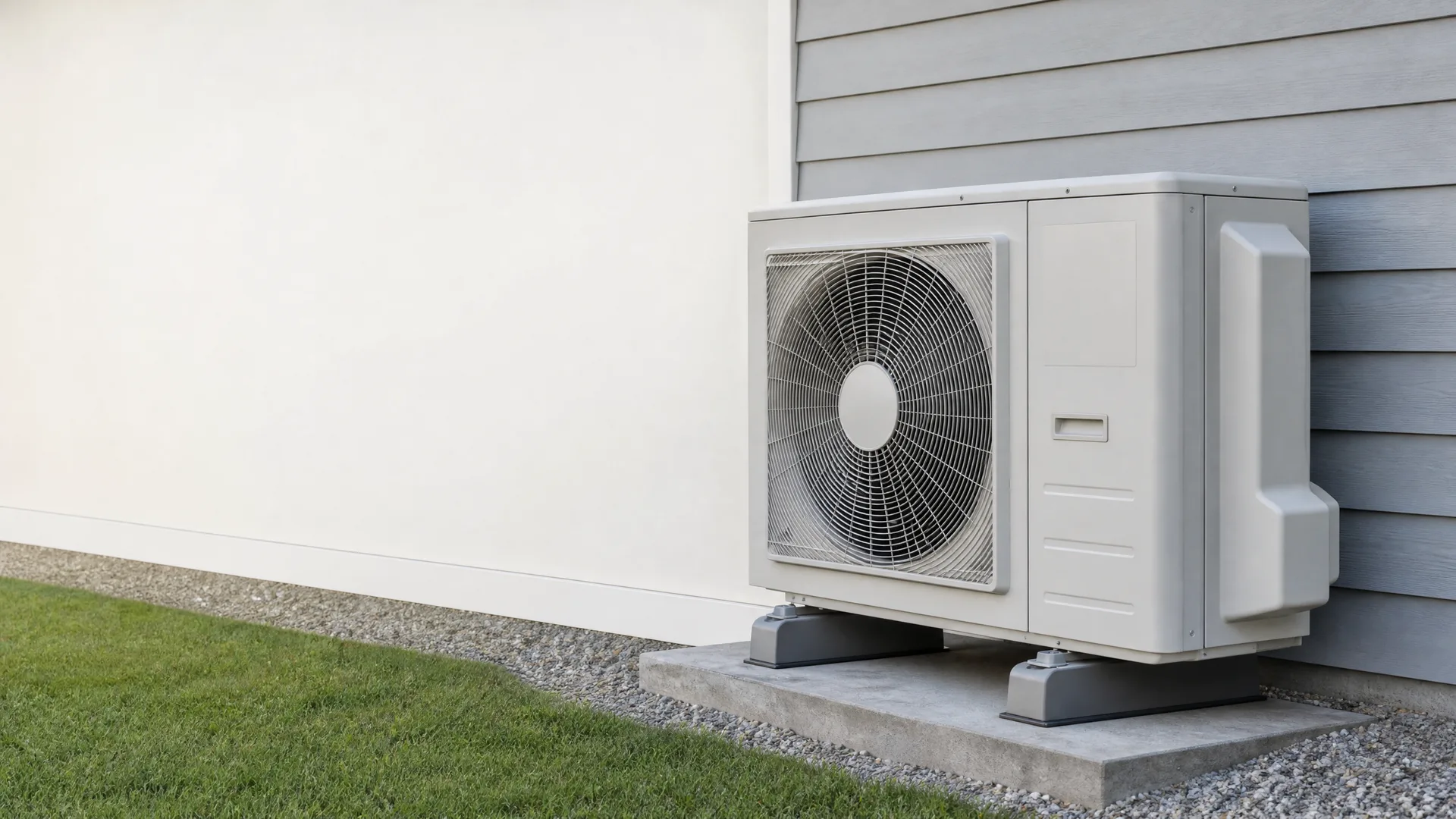
Look at the outdoor unit. A thin coat of frost that melts off during the defrost cycle is normal. A thick, solid layer of ice that stays all day is not. Check your thermostat setting against the room temperature. If the gap is more than a couple degrees and holding steady, or growing, that points to a real problem with the system rather than just cold weather asking a lot of it.
Why does your heat pump have so much work to do in Bergen County?
Winter nights average 25°F
Winter nights average 25°F here, well below the point where a heat pump starts working harder to keep up.
Heat runs October through May
Heat runs October through May, about eight months, so your heat pump carries most of the year's work alone.
Cooling runs June through August
Cooling runs June through August, three months, giving the same system a second, lighter job in summer.
NOAA nClimDiv 1991-2020
Running nonstop and keeping your house at temperature, at a reasonable power draw: that's a cold night doing what it does. The thermostat is holding, even if the unit never seems to shut off.
Running nonstop and losing ground, with the house a few degrees under the setting or the power bill climbing fast: that's not the cold, that's a unit struggling with a problem a contractor needs to look at.




Get matched with a heat pump pro in Bergen County
Explain the heat pump problem once instead of to every shop in Bergen County.
It costs nothing to send, and you don't have to hire anyone.
How the system actually cycles
- Defrost mode reverses the system to melt ice off the outdoor coil, and the unit may blow cool air for a few minutes during this cycle.
- A reversing valve switches the refrigerant flow between heating and defrost, and a stuck valve can leave the unit running without warming the house.
- The outdoor unit's fan should stop during a true defrost cycle; if it keeps spinning while frost builds up, the sensor or control board may be at fault.
- A dirty outdoor coil blocks the airflow a heat pump needs to pull heat from the air, so it runs longer to move the same amount of heat.
- Low refrigerant charge forces the compressor to run continuously because each cycle moves less heat than it's supposed to.
- Auxiliary heat strips are meant to kick in only on the coldest nights or during defrost, and a thermostat that triggers them too often will run up the bill without extra comfort.
A heat pump heats by moving heat from outside air into your house, and on a cold night that process runs long. Periodically it has to stop and reverse itself to clear frost off the outdoor coil. A reversing valve sends the refrigerant backward for this, and while it's happening the outdoor fan should shut off. You might feel cool air from the vents for a few minutes during that cycle. That's normal. What's not normal is the outdoor fan still spinning while ice builds up on the coil, which points to a sensor or control board that isn't telling the system what it needs to know. A reversing valve that sticks causes a different problem: the unit keeps running but never fully switches back to heating, so the house doesn't warm up no matter how long it runs. Airflow matters too. If the outdoor coil is coated in dirt or debris, it can't pull heat from the air the way it's supposed to, so the compressor runs longer to make up the difference. Low refrigerant charge does something similar from the inside, moving less heat per cycle so the system never catches up. Auxiliary heat strips are the backstop for the coldest nights, but if the thermostat calls for them too often, you'll see it on the bill before you see it in comfort.


Is your house actually staying warm, or just close
Walk through your house and check the rooms. If every room holds the temperature you set, even with the unit running nonstop, it's likely just a cold night at work. If the thermostat reads 68 and the bedroom feels closer to 63, that's different. You might notice the air coming out of the vents feels cooler than usual, or a room far from the indoor unit never quite catches up. You might hear the outdoor unit running long after you'd expect it to cycle off, or notice ice building up on it that doesn't clear during defrost. A system that's losing ground on a cold night will keep drawing power without keeping you warm, and left alone that gap tends to widen as the weather gets colder.
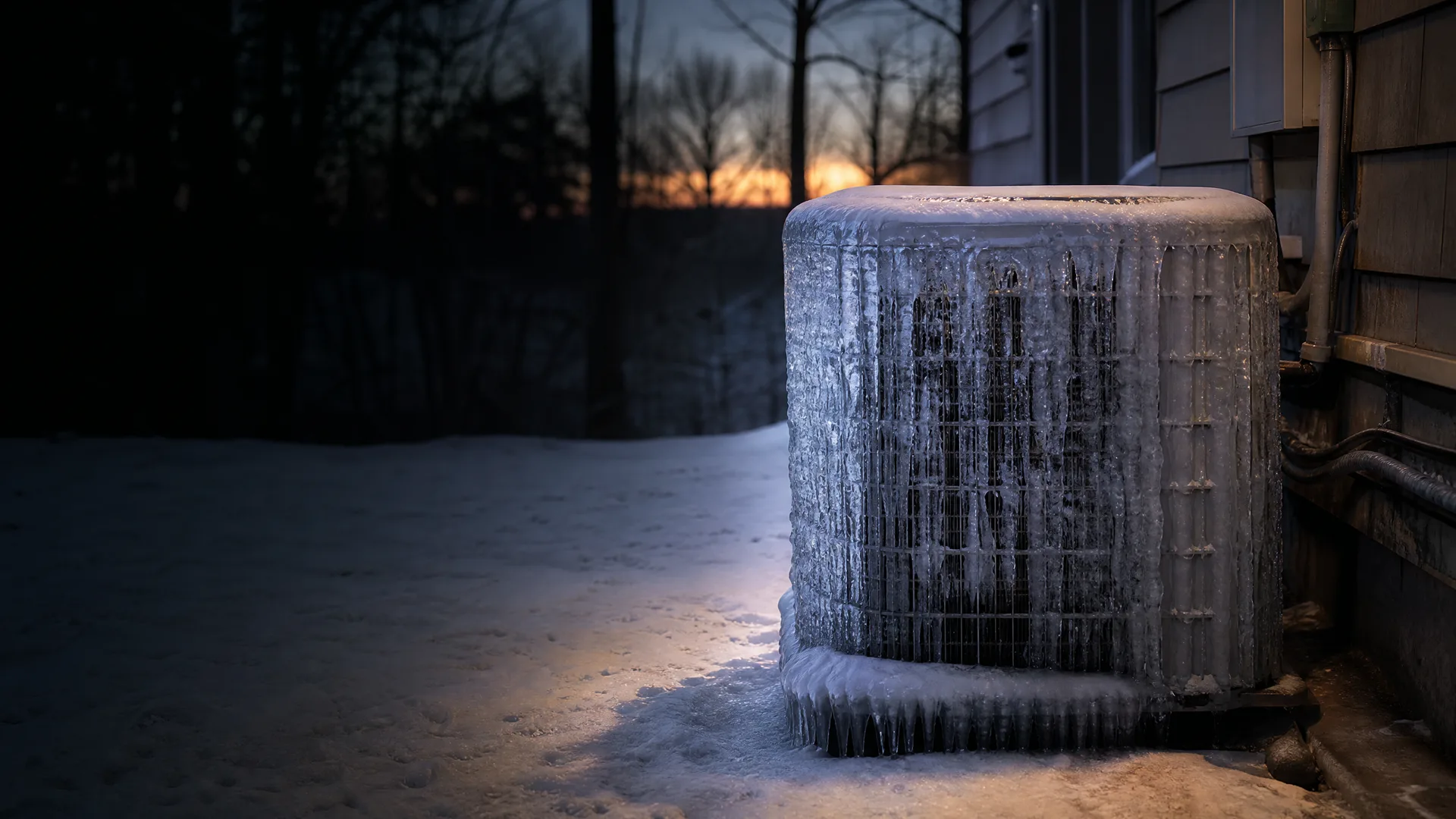
Six-fifteen in the morning, still dark, and you've gone out the side door in your coat to grab the recycling bin before the truck comes. The outdoor unit is sitting against the fence, and it's wearing a half inch of ice over the coil, thick enough that you can't see the fins underneath. Frost has crept up the refrigerant line too. Inside, you can hear it still running, that low steady hum it's had since midnight. The thermometer on the back steps reads 24. Your breath shows. You stand there a second, bin in hand, looking at the ice, then go back in because the cold is getting into your socks.
Running nonstop isn't the same as losing ground
The question was never whether your heat pump runs all the time. On a cold Hackensack night, it will. The question is whether your house holds the temperature you set while it does. If it does, the unit is doing its job. If the rooms are cooling off anyway, or the unit is iced over past a normal defrost cycle, something in the system needs a look.
That's not always something you can tell from inside the house with the thermostat reading 68. A contractor matched to your situation can check the reversing valve, the defrost control and the refrigerant charge, and tell you which one it is, without you having to describe the problem to three different companies and sort through what each one quotes you.



Heat Pump Repair
Find a heat pump repair pro in Bergen County
Skip calling shops to ask who repairs heat pumps in Bergen County.
