
Side profile of a bearded man wearing a dark faded baseball cap and a dark gray t-shirt against a plain light background.

Why your heat pump bill jumps in a New Jersey winter

RepairHeat PumpNew Jersey
Step 1 of 2

What ZIP code is the job in?

Why does my heat pump cost so much to run in winter in NJ?

Cold snaps push your heat pump harder than it runs the rest of the year, and the bill shows it fast. You're not imagining it, and it's not a sign something's broken. But if the jump feels bigger than it should, or the house still isn't warm, that's worth a second look instead of just paying it.

It's working harder to pull heat from colder air, and electricity in New Jersey isn't cheap

A heat pump moves heat from outside air into your house instead of burning fuel to make it. The colder it gets outside, the less heat there is to grab, so the system runs longer and leans on its backup electric heat strips more to keep up. Those strips draw a lot of power. In New Jersey, where electricity rates run higher than most of the country, that extra runtime shows up fast on the bill. Most homes here heat with gas, so a heat pump's winter cost stands out even more by comparison. Some of that jump is normal for a cold month. A much bigger jump, or a house that still feels cold, usually means the system is struggling with something a repair can fix.

A dark gray outdoor condenser unit on a concrete pad beside a house with beige horizontal siding, with a gray electrical disconnect box and conduit on the wall, mulch beds, a hosta plant, a shrub, and mowed lawn in front.

Running clean

A heat pump that's clear on all sides and sitting level pulls in the air it needs without a fight. The coil stays free of dirt, the fan moves full airflow, and the unit isn't working around anything to do its job. On a cold night this is what keeps the bill in line with the temperature outside.


A weathered outdoor condenser unit on a concrete pad beside a house with light horizontal siding, surrounded by bare dirt and a shrub.

Working against itself

Grime packed into the grilles chokes off airflow before it reaches the coil. The unit runs longer to move the same heat into your house, and in a New Jersey January that extra runtime adds up fast. A dirty coil is one of the few things here you can spot just by looking.

A wooden table in the foreground holds a closed laptop and a ceramic mug of coffee, with a spindle-back wooden chair behind it, a beige wall with paneled wainscoting, a window at left, and a kitchen counter with a cutting board, bowl of fruit and greenery at right.

What a bad cold snap does to your bill

Most houses in New Jersey heat with gas, so your neighbor's bill doesn't move the way yours does when the temperature drops. Your heat pump is pulling heat out of outdoor air that barely has any to give, and with power priced the way it is here, that extra strain shows up fast on the statement. A jump during a hard cold week is normal. What isn't normal is a jump that stays after the weather breaks, or a unit that runs long stretches without the house ever feeling warm.

That's usually a sign something is making the system work harder than the cold alone accounts for, a weak capacitor, a refrigerant leak, a frozen coil that isn't defrosting the way it should. Left alone, it keeps costing you through the rest of the winter. Finding that out yourself means calling around, explaining the same problem to a few different contractors, and sitting with quotes trying to compare them. Send the form once and that part is off your plate.

A living room with a cream sofa and knit throw beside a window, with a wooden coffee table in the foreground holding a round woven tray, a small bowl, and a speckled vase of green leafy branches.
A gray outdoor condenser unit on a raised pad beside a house with horizontal lap siding, with refrigerant lines, conduit and an electrical disconnect box on the wall, and shrubs on a mulch bed to the left.

Working the way it should

This unit has clear space on every side and sits level on its pad. Air moves through the coil without resistance, so the heat pump isn't drawing extra power just to get the heat it needs out of the cold air.

An outdoor air conditioner condenser unit on a gray composite pad beside a house with horizontal lap siding, with refrigerant lines and a conduit running to a wall-mounted disconnect box, and a shrub at left.

Fighting to keep up

Dirt and grime cover this coil, and that film blocks the heat transfer the whole system depends on. It has to run longer to do the same job, and on the coldest nights that shows up directly in what you're paying.

A smiling bearded man in a dark green henley shirt sits on a blue-gray couch in a living room, with a bowl of popcorn in the foreground and a houseplant and window behind him.
A smiling man in a dark sweatshirt reclines on a gray sofa in a living room, with a wooden bowl of popcorn on a table in the foreground and a dining area, shelving, and pendant lamp behind him.
A smiling man in a navy long-sleeve shirt reclines on a sofa in a living room, with a bowl of popcorn on a wooden coffee table and framed pictures on the wall behind him.
A smiling man in a dark green long-sleeved shirt sits on a gray sofa in a living room, with a bowl of popcorn in the foreground and windows and a potted plant behind him.

Hand off the heat pump problem

Describe what your heat pump is doing once, in one form.

There's no charge for the request.

What's driving the cost

  • Below 30 to 35 degrees, your heat pump leans on backup electric resistance heat, which costs far more to run than the compressor alone.
  • That backup heat, usually strip heat in the air handler, kicks in automatically when the outdoor coil can't pull enough heat from the cold air.
  • A defrost cycle runs periodically in freezing weather, briefly reversing the system to melt ice off the outdoor coil, and that step pulls extra power too.
  • The colder it gets outside, the longer each heating cycle runs, because the unit is moving heat against a bigger temperature difference.
  • A thermostat set to recover from a deep setback forces a long, steady call for backup heat rather than a short, efficient one.
  • Iced-over coils, low refrigerant, or a dirty filter all make the compressor work harder and lean on backup heat sooner than it should.

A heat pump moves heat out of outdoor air instead of making it the way a furnace does, and that only works well when there's heat to pull. Once it's cold enough, the compressor can't keep up on its own, so the system switches on backup heat, usually electric resistance strips inside the air handler. That backup heat works like a giant toaster. It's effective, but it draws far more power than the compressor running by itself, and in New Jersey, where electricity costs more than in most of the country, that difference shows up fast on the bill.

The system also has to defrost itself. Cold, humid air leaves frost on the outdoor coil, so periodically the unit reverses briefly to melt it off, and that step uses extra power too. Neither of these is a malfunction. Both are the system doing exactly what it's built to do in weather like this.

What turns a normal winter bill into a bad one is usually something layered on top. A thermostat recovering from a deep overnight setback calls for a long, steady stretch of backup heat instead of a short one. A dirty filter, low refrigerant, or coils caked with ice make the compressor strain and hand the job to backup heat sooner than it should. None of that is visible from the thermostat. It shows up as a bill that's higher than the cold snap alone explains.

A gray outdoor heat pump unit with a large fan grille sits on a concrete pad beside a house with horizontal lap siding, next to a green shrub, mulch bed, and lawn.
A heat pump with open space around it and a clean concrete pad can pull outdoor air in without extra strain, even on a cold night.
A weathered outdoor condenser unit on a concrete pad beside a house with white horizontal vinyl siding, with refrigerant lines and conduit running to a wall-mounted electrical box.
Grime on the grilles and lines running into a worn unit mean it's working harder than it should just to keep the house warm.

What's going on in your house right now

You've probably noticed the vents blowing air that feels cooler than usual, even though the house is holding temperature. That's the backup heat cycling in and out, or the unit running longer stretches than it used to. Some rooms might feel harder to keep warm than others. You might hear the outdoor unit running almost constantly on the coldest nights, or notice frost building up on it that takes a while to clear. None of that by itself means something's wrong. But if a room stays cold no matter what, or the unit runs nonstop without the house catching up, that's the system struggling to keep pace, and it's worth having someone look before a bigger repair follows.

  1. Outdoor air passes over a cold refrigerant-filled coil outside.

  2. Refrigerant absorbs what little heat that cold air holds.

  3. A compressor squeezes the refrigerant, raising its temperature.

  4. An indoor coil releases that heat into the air your vents carry.

An outdoor air conditioning condenser unit on a concrete pad beside a house with light horizontal siding and a concrete block foundation, with bare soil and small green plants around it.
Before you get your heat pump repair
A gray outdoor condenser unit on a concrete pad beside a white horizontal-siding house, with refrigerant lines and conduit running to a wall-mounted disconnect box, bare soil in front and a green shrub at left.
After you get your heat pump repair
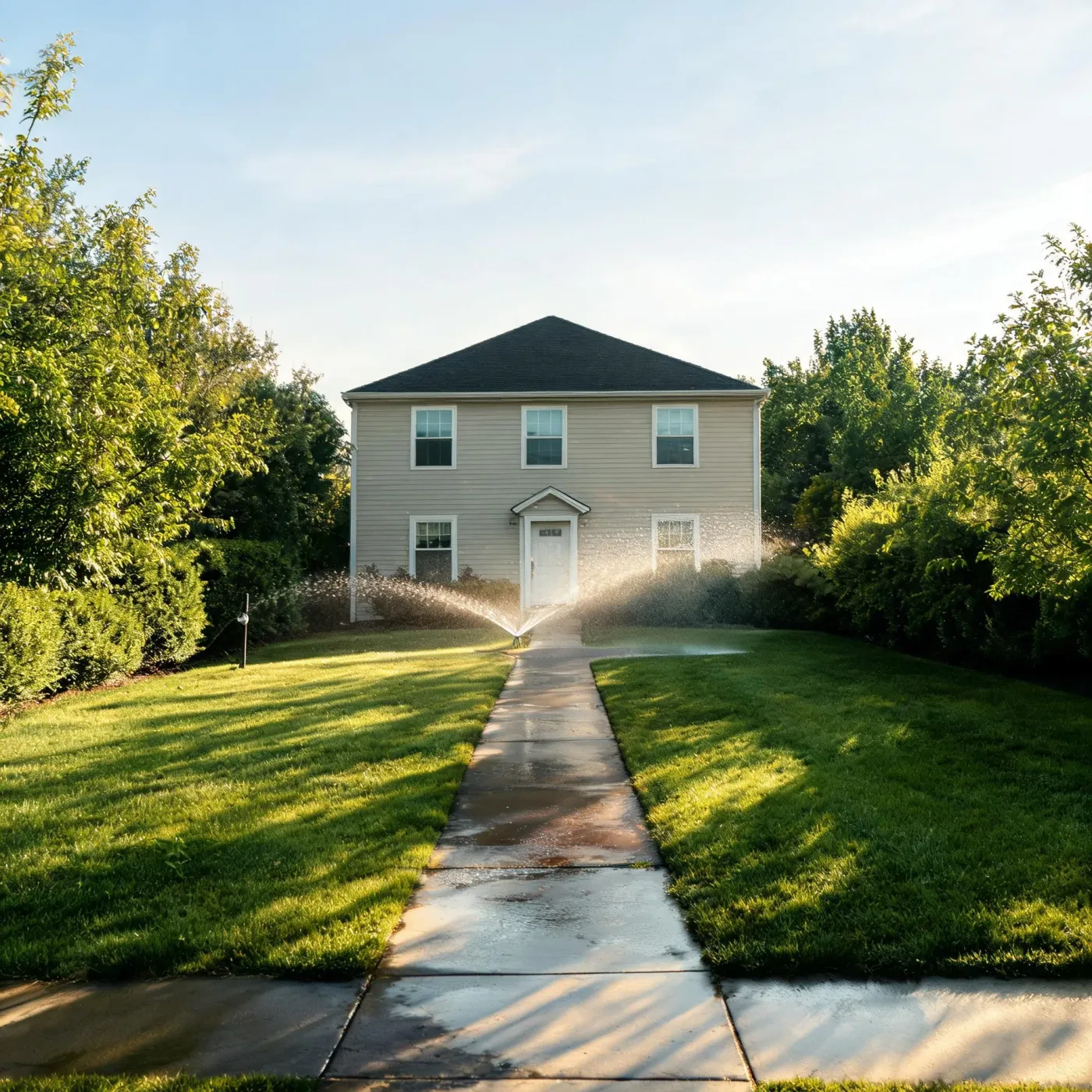
A two-story house with light siding and a dark hipped roof behind a green lawn, with a sprinkler spraying water near a concrete walkway leading to the front door.

Summer here isn't just hot, it's heavy. Dew points in New Jersey average 63°F across June, July and August, according to NOAA climate data, which is the sticky, hard-to-shake kind of air. That same coil working overtime to wring moisture out of August air is what's outside your house right now trying to pull heat out of January air that barely has any. A coil that spent the summer stripping humidity out of thick air doesn't get a break in winter. If it's dirty or the refrigerant charge is off from months of hard running, it has even less to work with when the temperature drops, and your bill is where that shows up first.

NASA POWER T2MDEW county cells weighted by homes

A heat pump bill that jumps in a New Jersey cold snap isn't a sign of a broken system. It's the backup heat doing what it's built to do when outdoor air has almost nothing left to give. But a unit that's clean, level, and running the way it should will lean on that backup heat less than one that's clogged, iced over, or losing refrigerant. If your bill is climbing faster than the temperature explains, something in the system is working harder than it has to, and that's worth having a contractor look at before the next cold snap hits. Instead of searching through contractors, calling around, and explaining the same problem twice, you can send one form and let someone else sort out who's available and qualified. You'll know where things stand without doing the legwork yourself.

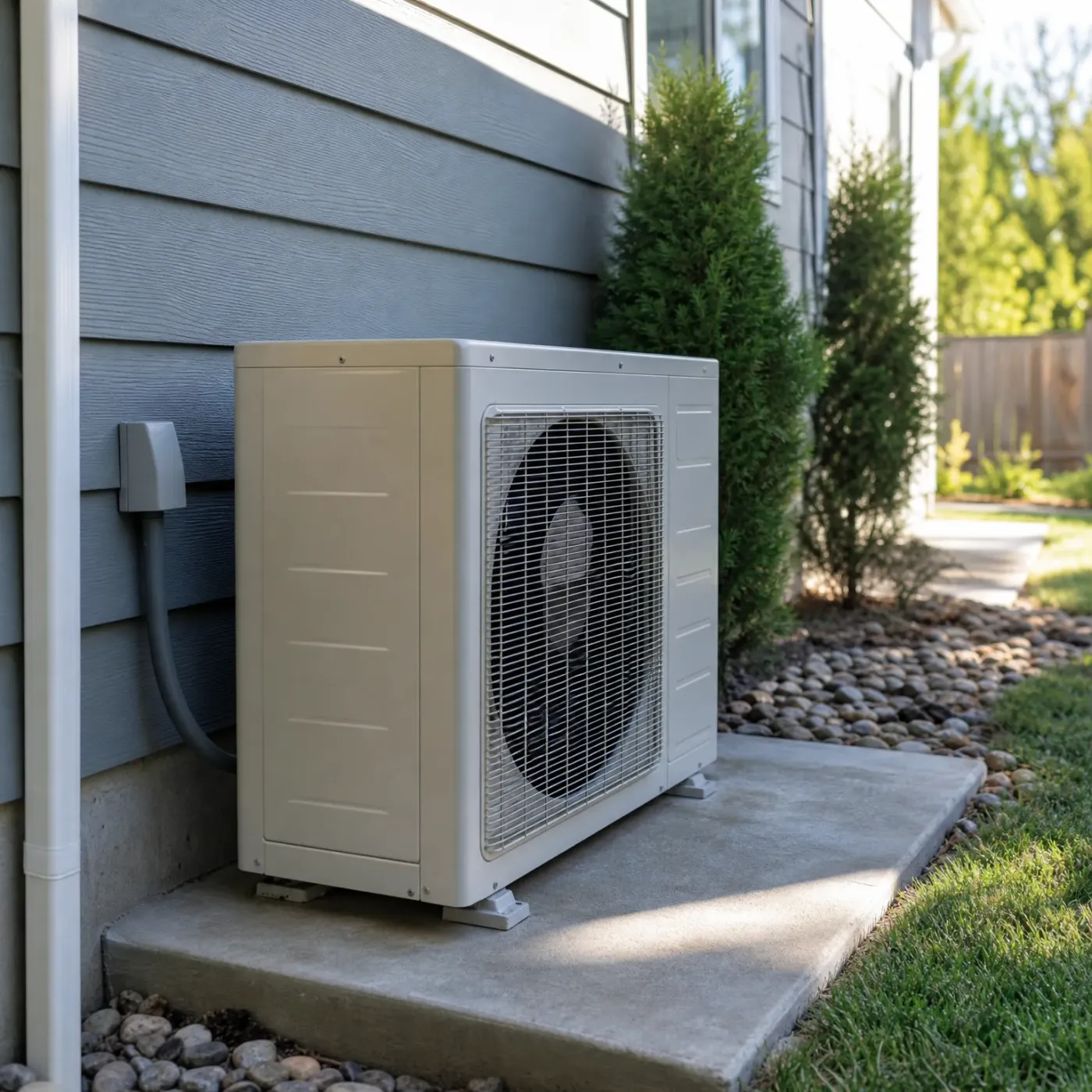
A beige outdoor heat pump or air conditioner condenser unit on a concrete pad beside a gray horizontal-siding house, with a disconnect box and conduit on the wall, shrubs, river rock and lawn nearby.

Hand off the search today

Hand off my repair

Fill out one short form instead of calling around.

You only hire the pro if you want to.