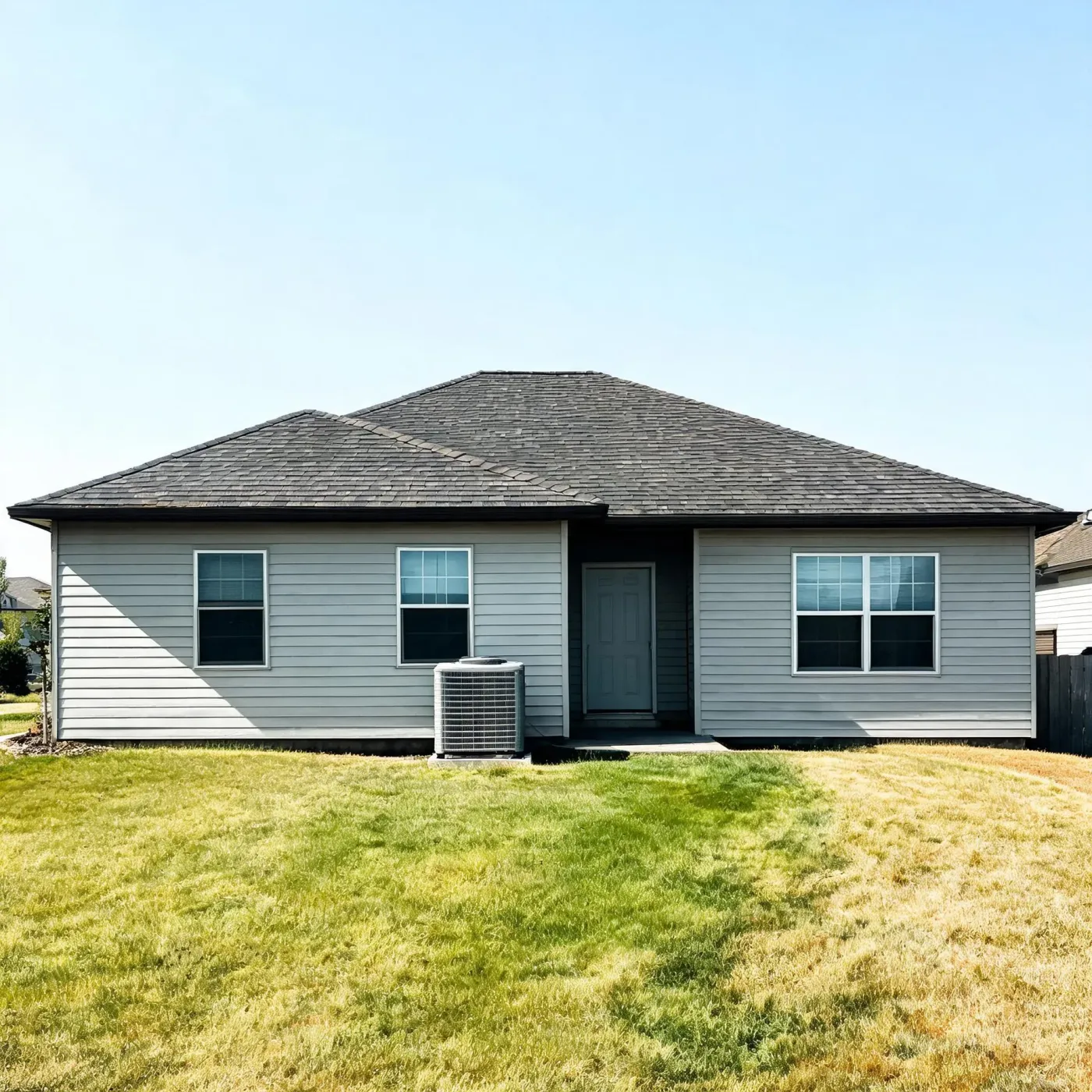
A local pro who services heat pumps gets in touch about the tune-up.
Leave a heat pump set and left alone and it will keep a New Jersey house warm through January, but most of the thermostat habits people bring from a furnace work against it. Bumping the temperature up five degrees doesn't heat the house faster. It just makes the backup heat strip kick in, and that backup heat is electric resistance heat, running on some of the most expensive power in the country.
That's a bill problem, not a comfort problem, and it's worth getting right given what power costs here. The setting that works is steadier and less dramatic than what a gas furnace owner is used to: pick a temperature and hold it, let the system run longer at a lower output instead of surging to catch up.
Where maintenance actually matters is in whether the heat pump can hold that steady line without leaning on backup heat it shouldn't need. A coil that's dirty, a refrigerant charge that's low, a defrost cycle that isn't working right: any of these push the system toward the strip heat you're trying to avoid. That's a different failure than a furnace breaking down. The heat pump keeps running. It just quietly costs more every month while it does it.
Finding out whether that's happening in your own house means getting someone out to look at the actual unit, and that's usually where people stall. Calling a few places, explaining the system, the age of it, what it's doing, waiting on callbacks, then doing it again to compare what each one says.
This page skips that part. Tell it what you're working with and it matches you with a contractor who handles heat pumps in this state, built for New Jersey winters and the power rates that come with them. They reach out to you from there.
What temperature should I set my heat pump to in winter?
You want a number, not a lecture. With gas heat next door costing less to run and electric rates in New Jersey as high as they are, you don't want to waste a degree of setting you don't need. You've probably heard a heat pump behaves differently than the furnace you grew up with, and you want to know where to actually leave the dial before the cold sets in.
Set it between 68 and 70 and leave it there
A heat pump moves heat from outside air into the house rather than burning fuel to make it, so it works best running steadily at one temperature instead of swinging up and down. Set it between 68 and 70 during the day and don't drop it more than a couple degrees at night. Pushing it lower while you sleep might sound like savings, but the system has to work harder to climb back up in the morning, and on a cold New Jersey night that catch-up can trigger the backup electric heat strips, which cost far more to run than the heat pump itself. A steady setting keeps those strips off and keeps your bill where it belongs.
Hold Steady Or Set Back
Steady Hold
You pick one temperature, something like 68, and leave it there through the whole stretch from December to March.
The heat pump runs in long, low bursts instead of straining to make up ground, which is how it's built to work.
Backup heat strips stay off, since they only kick in when the house needs heat fast, not steady heat over time.
Your electric bill stays level night to night instead of spiking on the mornings you nudge the thermostat up.
Rooms hold temperature evenly because the system never falls far enough behind to need a big push to catch up.
Setback At Night
You drop the temperature several degrees before bed and raise it again in the morning, the way a gas furnace handles it fine.
The heat pump has to work harder and longer at sunrise to climb back up, since it moves heat slowly compared to a furnace burning gas.
That morning recovery is exactly when backup strips are most likely to come on, and those run on straight electric resistance.
With New Jersey power rates where they are, that strip heat shows up on the bill more than most people expect.
A deep setback overnight can end up costing more over a cold month than just holding one number the whole time.
1
The thermostat calls for heat and the compressor starts outside.
2
The outdoor coil pulls heat out of the cold air.
3
Refrigerant carries that heat inside to the indoor coil.
4
A fan pushes warm air through the ducts into your rooms.
Why does the house feel colder than the thermostat says
If the air coming out of the vents feels cool instead of warm, that's not broken, that's a heat pump running normally at a lower output than a furnace. What's worth noticing is how often the system is switching into backup heat. You'll hear it as a change in sound, sometimes a burning smell for a few minutes as dust clears off strip heating elements that haven't run in months. That's normal once. If it's happening every time the temperature drops or every time you bump the thermostat up, something is off, and you're paying for it directly, since backup heat on an electric rate is the most expensive way to warm the house.
Clean coil, steady heat
Air moves through the outdoor coil freely here, so the unit pulls heat from the cold air without straining. The compressor cycles on, runs, and shuts off the way it's designed to. Left alone through a maintenance visit a year, this is what a heat pump looks like all winter.
A dirty coil works harder for less
Dust and grime across the coil block airflow, so the unit runs longer to move the same heat indoors. That shows up as higher electric bills in a state where power already costs more than most. A coil this dirty usually means it's gone a while without a look.
Before you get your heat pump maintenanceAfter you get your heat pump maintenance
Get your heat pump to the right pro
Skip calling around to set up a heat pump tune-up.
Describe your heat pump job, and a local pro who handles it gets in touch.
A heat pump that's been serviced keeps its outdoor coil clear and its refrigerant charge correct, so it pulls heat from January air without working harder than it has to.
Left unserviced year after year, the same unit loses capacity and leans on backup heat more often, which is the expensive part of your bill.
A frosted outdoor coil that never gets looked at pulls less heat out of the air each week it goes without service, and the system makes up the difference with backup heat strips that run on straight electricity. You won't see it happen. You'll see it on the bill, in February, when the number is higher than January and nothing in the house changed. By March some units are running backup heat more than the compressor itself, which is the expensive way to stay warm when New Jersey power costs what it does. A yearly check catches the frost, the low charge, the weak airflow before any of that sets in, and it's the difference between a heat pump that coasts through the cold and one that's quietly working against you every time it calls for heat.
Power costs 22.48 cents per kilowatt-hour statewide
At 22.48 cents per kilowatt-hour, every degree your heat pump has to make up with backup strips shows up on the bill fast. A unit that's been serviced holds its output and avoids leaning on that backup heat, which is where the real cost sits.
EIA-861 2025 statewide residential average
A heat pump loses capacity slowly, a percent or two a year, as the coil fouls and the charge drifts, so nothing ever forces you to notice.
By the time you feel the difference in January, backup heat has already been covering for it, and at 22.48 cents a kilowatt-hour that's the part of the bill you can still bring down.
Summer humidity here isn't just about comfort. NOAA puts the average summer dew point across New Jersey at 63°F, which is the kind of air that feels heavy even when the temperature itself seems mild. That same outdoor coil doing the work in August is what pulls heat out of the cold air in January. A coil that spent the summer handling sticky, moisture-loaded air collects more grime and corrosion over time than one working drier climates, and that buildup doesn't go away on its own come winter. It just sits there, quietly cutting into how much heat the unit can pull from the cold.
NASA POWER T2MDEW county cells weighted by homes
Pick a number, leave it there, get the coil checked
The setting itself is the easy part. Pick a temperature you can live with, somewhere around 68, and leave the thermostat alone from December through March. The harder part is the coil outside, and that's not something you can check from the thermostat on your wall.
A technician who services your specific unit will know what to look for and what your system needs, rather than you guessing at it or working through a stack of quotes from contractors who've never seen your coil. Once you're matched with someone who covers your part of New Jersey, that's a call you don't have to make yourself, and a visit you don't have to schedule and reschedule around.