Running the way it should
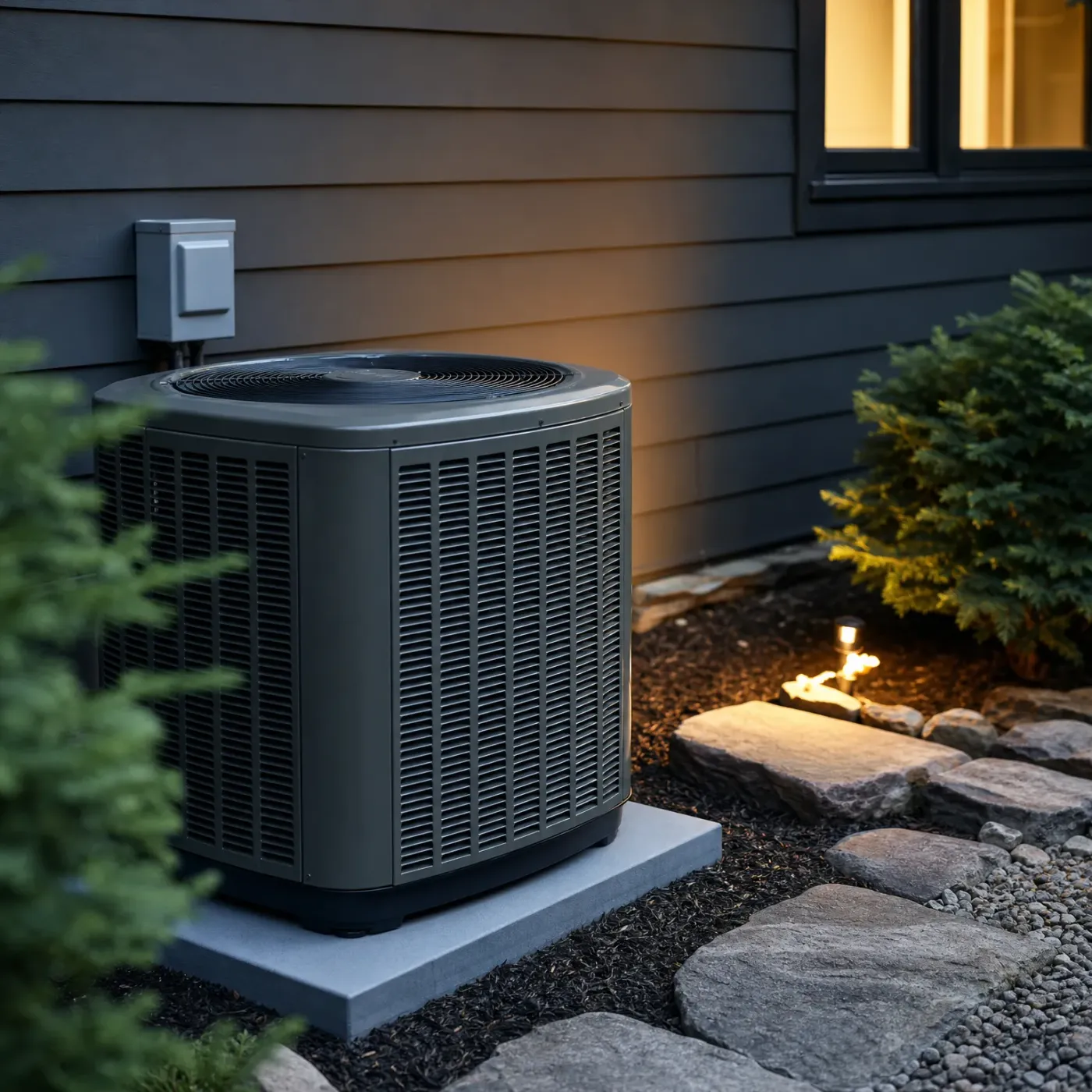
A unit like this cycles on, cools the house, and shuts off. The pad is clean, the lines are intact, and the conduit going into the wall shows no wear. Nothing here is making the compressor work harder than it has to.
Get matched with an air conditioner pro in Hudson County
Most central air conditioners run twelve to fifteen years before they need to be replaced, but what you've got out there in the heat and salt air near the water can wear differently than the number on paper. Below, what shortens a unit's life in Jersey City and what signs mean it's done. If yours is on its way out, you can get matched with a contractor who installs them.
Get matchedMost central air conditioners in Jersey City last twelve to fifteen years. The unit sits outside and runs hard from June through September, sometimes into October when it stays warm late, and every one of those summers wears down the compressor a little more. Units near the water, in places like Downtown or along the Hudson waterfront, often don't make it that far. Salt air corrodes the coils and the metal cabinet faster than it would further inland, so a system might start struggling at ten years instead of fifteen. How well it was sized and installed matters too. A unit that's too big or too small for the house cycles more than it should, and that shortens its life no matter where it sits. If your system is past ten years and running near the water, it's worth having someone look at the coils and the compressor before the next heat wave, rather than finding out it's failed when you need it most.







If your AC is past year twelve, you'll likely notice it before it fails outright. It runs longer to hit the same temperature. The electric bill climbs faster than the weather alone explains, and in Jersey City that bill is already steep. Some units make it to fifteen years without much trouble. Others start struggling by ten, especially if the condenser sits where salt air off the water reaches it or the coil hasn't been cleaned in a while.
A unit that's straining doesn't always announce it with a breakdown. Sometimes it's just a August afternoon where the house won't cool past 78, or a repair bill that's the second one this year. At that point the question isn't whether to fix it again, it's whether the next repair is worth it on a unit this old. Sending in your details gets you matched with a contractor who can look at your actual system and tell you where it stands, so you're not guessing at it alone.


A unit like this cycles on, cools the house, and shuts off. The pad is clean, the lines are intact, and the conduit going into the wall shows no wear. Nothing here is making the compressor work harder than it has to.

Dirt packed into the grilles cuts off the airflow the unit needs to cool properly. Corrosion on the lines and the disconnect box means moisture has been getting in. A unit in this shape is running harder than its age alone would explain.
Listen to it the next time it kicks on. A unit nearing the end makes noise it didn't used to: a rattle, a hum that wasn't there last summer, a clicking when it starts up. It might run longer to get the house to the same temperature, or stop cooling evenly in every room. You may notice water pooling near the indoor unit, or a musty smell when the air kicks on. Outside, check the pad it sits on and the line running into the wall. Rust on the cabinet or corrosion on the lines means moisture has been getting in for a while. None of this means it's failed yet, but a unit working this hard is closer to a breakdown than one that still runs quiet.

It's just past eight and still ninety upstairs. The box fan sits wedged in the window frame, pulling in air that isn't any cooler than the air already in the room, and you can hear the AC running down below, going on its usual noise but not catching up. The sheet is pushed to the foot of the bed. Outside, Jersey City is finally quieting down for the night, but the room holds the heat from the whole day, the kind of June evening that used to feel like summer starting and now just feels long. You lie there listening for the compressor to shut off, and it doesn't.
Send the form and stop researching installers for the new air conditioner.
You're not committing to anything by asking.

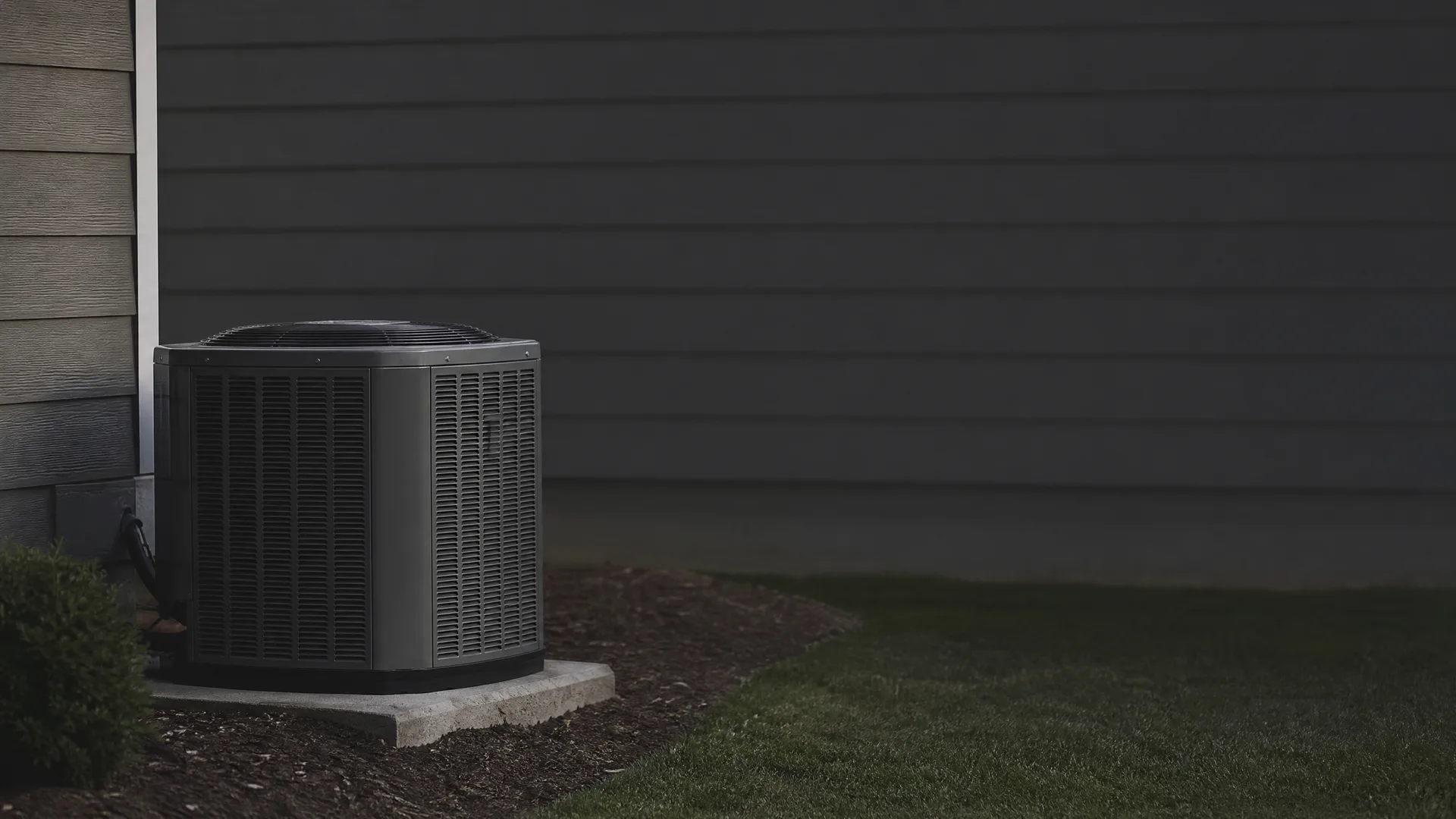
The pad is clear, the shrub trimmed back, and the disconnect box on the wall is dry and rust free. Air moves through the cabinet the way it was designed to. A unit kept like this earns its full twelve to fifteen years, sometimes more.

Dust cakes the wire mesh and cuts the airflow the compressor depends on. The conduit running behind it has been exposed to salt air off the water a long time. A unit in this shape is pulling more power to do the same job, and it shows up on the bill before it shows up as a breakdown.


Four months is still a real workload for a compressor that sits outside in this humidity. June through September, your AC is cycling on most days, and the salt air and summer storms near the water don't let up on it in the off months either.
NOAA nClimDiv 1991-2020
A compressor doesn't fail on the first hot day. It fails after the one before it, and the one before that, each summer adding a little more wear to the same part.
That's why a twelve-year-old unit in Jersey City has logged more hard running than a twelve-year-old unit somewhere mild, even if both show the same number on the nameplate.


Twelve to fifteen years is what a central air conditioner gives you in Jersey City, and where your unit falls in that range comes down to how it's been running, not just how old it is. A unit near the water that's sat uncovered through salt air and storm seasons without much upkeep tends to wear toward the early end. One that's been kept clean, with clear airflow and dry conduit, can hold on past fifteen.
The machine itself tells you more than the install date does. If it cools evenly and shuts off without straining, age alone isn't a reason to replace it. But if it's running longer to hit the same temperature, if the electric bill has climbed faster than the summer heat explains, or if it's making a noise on startup that wasn't there last year, that's the unit telling you something before it quits on you outright.
None of this is urgent on a mild April afternoon. It gets urgent in July, on the week the temperature doesn't drop below ninety and every other AC on the block is running too. Getting ahead of it now means you're not the one calling around in the middle of a heat wave hoping someone has an opening.
Once you send a request, the search is no longer yours to carry. A licensed contractor gets matched to your situation, and you hear back, instead of spending the hottest week of the year on hold.
One request ends the search for an air conditioner installer.
