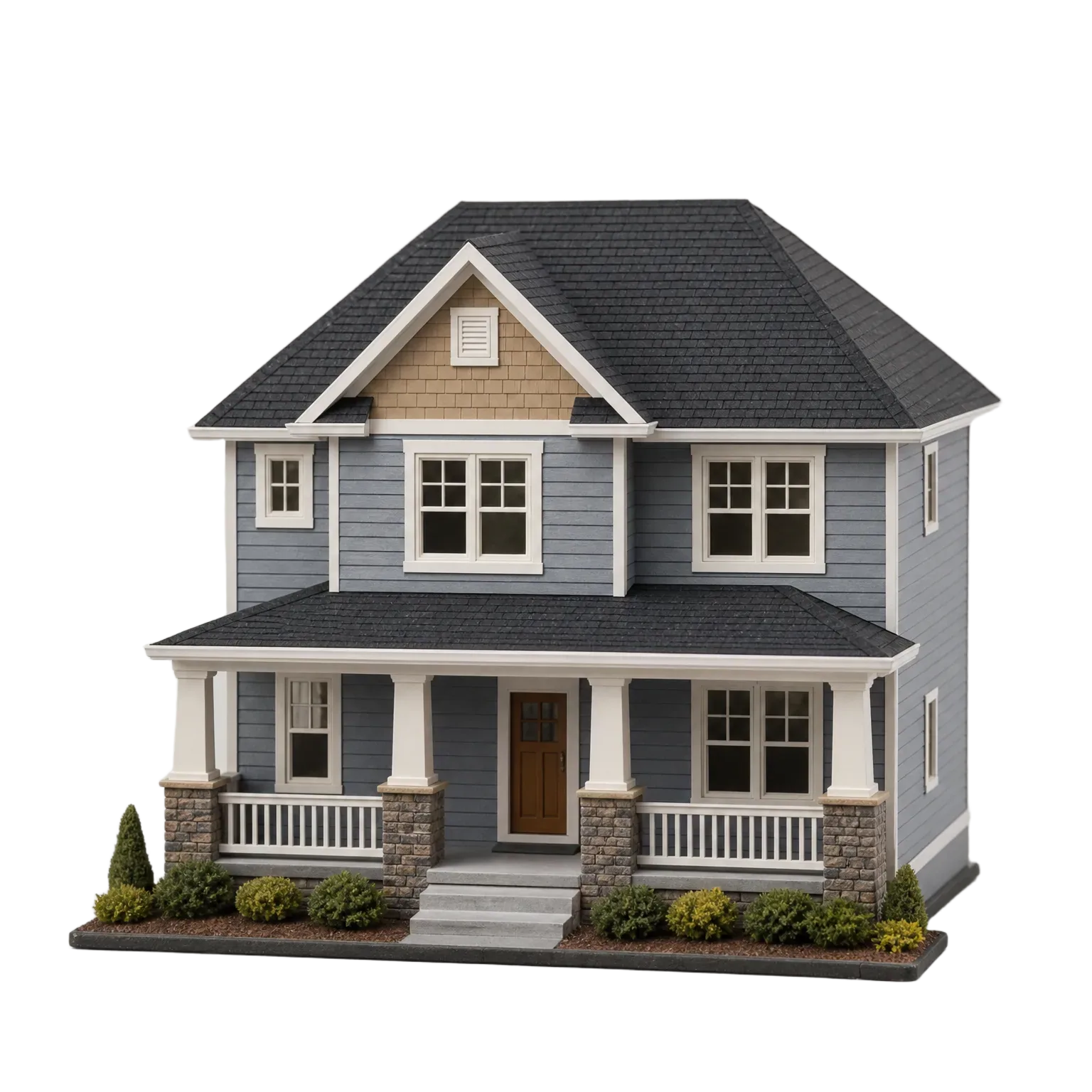
Oversized units short-cycle
A system too big for your house cools the air fast, then shuts off before it pulls the humidity down, so rooms feel damp even at the temperature you set.
A local pro for your air conditioner installation
Sizing an AC for a New Jersey home comes down to your square footage, your ceiling height, how much shade and sun the house gets, and how well it holds that sticky summer air once the system brings it down. A unit too big or too small costs you comfort and runs up a power bill that's already steep here. This page walks through how sizing actually works, and can connect you with a local contractor who can look at your house and get the number right.
Connect with a proThere's no single tonnage that fits every New Jersey house. A 1,800 square foot home might need a 2.5 ton system or a 3.5 ton system depending on how many windows face south, how high the ceilings run, and whether the attic insulation is doing its job. Square footage gets you in the right range, but New Jersey summers get humid enough that an oversized unit becomes its own problem. A system too large cools the air fast, shuts off, and never runs long enough to pull the moisture out, so the house feels cold and damp at the same time. A system sized right runs longer, steadier cycles that actually dry the air while it cools it. That's why a load calculation on the actual house, not just a square footage chart, is what determines the right size. Getting that number right before installation matters more than any brand or feature you pick afterward.


A contractor who sizes your system right isn't eyeballing your square footage. They're running a Manual J calculation, which takes in your windows, your insulation, your ductwork, even which way your house faces, and weighs all of it together. That's the only way to land on a tonnage that actually fits your house instead of a rough average.
Size matters most in July and August, when the air outside is heavy and your AC has to do two jobs at once: bring the temperature down and pull the moisture out. Those don't happen on the same schedule. A unit that's too big cools the air fast and shuts off before it's run long enough to strip out the humidity, so the house hits 72 and still feels sticky. A unit that's too small never gets ahead of the heat at all. It runs almost continuously on the worst days and still can't hold the thermostat setting.
The system that's sized correctly runs longer, steadier cycles. That's what actually dries the air out, not just cools it.


A system too big for your house cools the air fast, then shuts off before it pulls the humidity down, so rooms feel damp even at the temperature you set.
A system too small never gets ahead of a New Jersey summer, so it runs long hours trying to catch up, and that shows up on your electric bill.

Walk through your rooms on a July afternoon and you'll feel it before you see a number on any bill. A system that's too big cools the living room fast, clicks off, and leaves the air clammy, so you end up dropping the thermostat lower just to feel dry. A system that's too small never catches up, so it runs from morning to night trying to hold a temperature it can't reach. Either way, you're paying for it, and with electric rates here among the highest in the country, that waste shows up fast.
A load calculation done for your actual house, not a chart, is what keeps you out of both problems. A local contractor who installs these systems through a New Jersey summer sees which houses run hot upstairs, which ones hold humidity near the shore, which ones lose cool air through an older duct run. Getting matched with one contractor who knows your kind of house, rather than fielding calls from several, means that knowledge goes into your sizing instead of a guess.





The pro who reaches out is licensed in New Jersey.
No fee to send it, and nothing to sign.

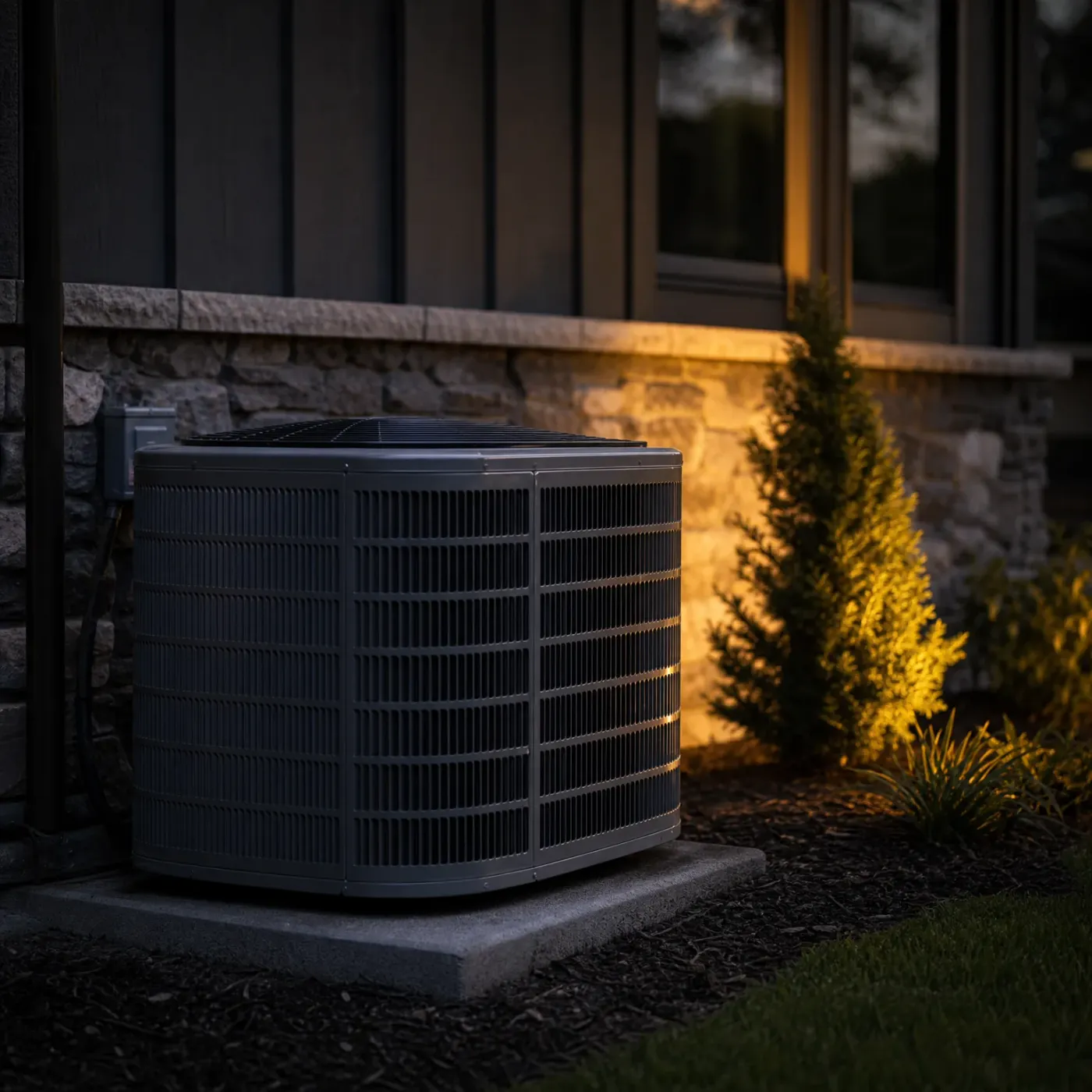
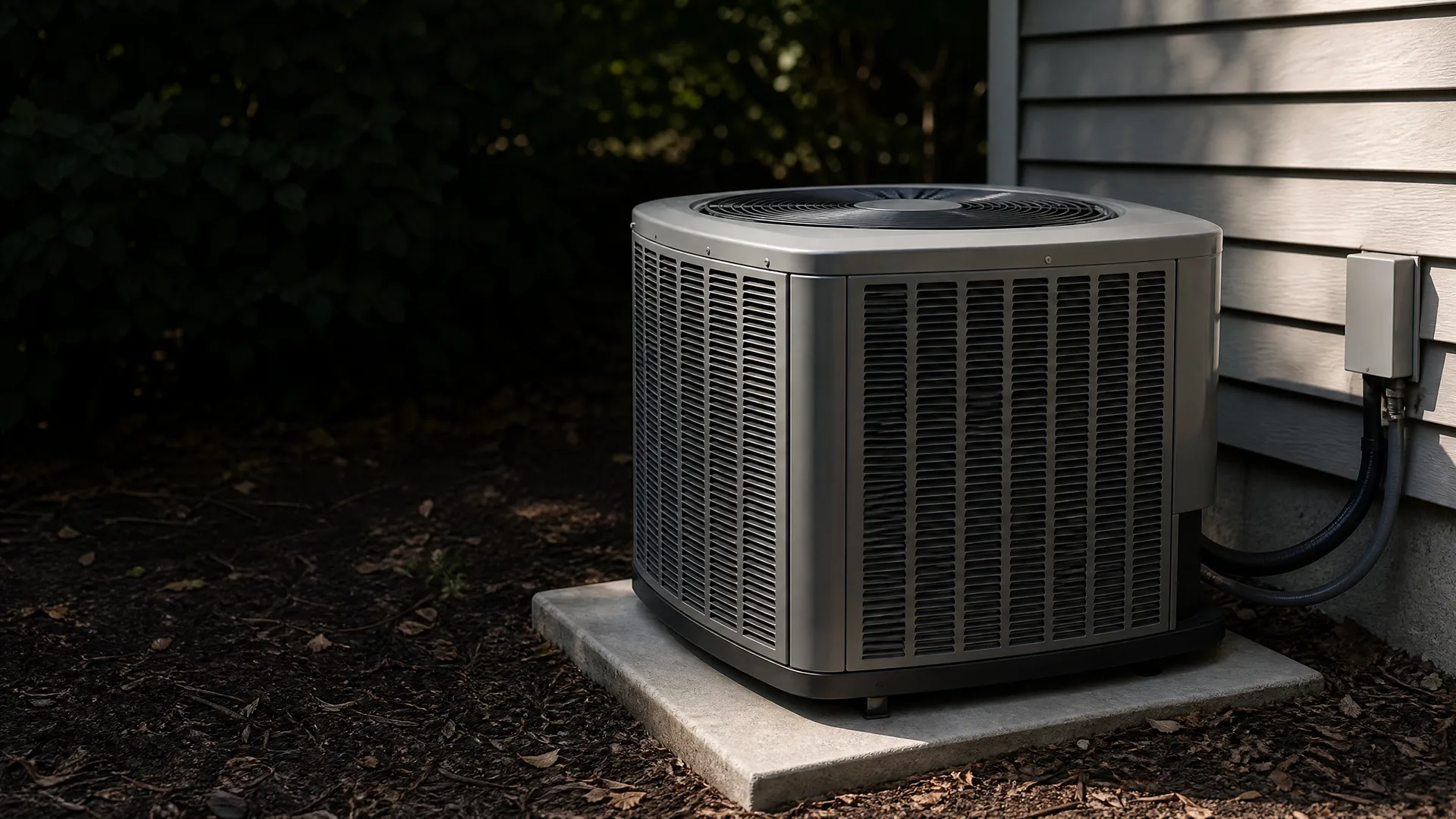
A properly sized condenser cycles on, runs long enough to pull the humidity down with the temperature, then shuts off. The unit outside sits quiet for stretches even on a hot July day. Inside, the air feels dry, not clammy, and every room ends up close to the same temperature.

An undersized or oversized condenser never settles into that rhythm. It short-cycles or runs nonstop trying to keep up, working harder than it should against a New Jersey summer. The strain shows up in your power bill before it shows up as a breakdown, and the unit wears faster for it.
New Jersey summers carry a dew point around 63°F on average across June, July and August, a figure from NOAA climate data. That's thick, sticky air, the kind that sits on your skin even after the thermostat says the room has cooled. An AC sized right for your house will run long enough on days like that to wring the moisture out along with the heat. Size it wrong and you'll feel the difference indoors: a too-big unit blows cold air fast then quits, leaving the humidity behind, while a too-small one runs long but never quite catches up. Either way you notice it on the couch, not on a gauge.
NASA POWER T2MDEW county cells weighted by homes
You set the thermostat to 72 and it gets there, but the air still feels damp against your skin. Maybe the unit outside kicks on and off every few minutes instead of settling into a long run. Maybe one bedroom never quite cools while the living room goes cold enough for a blanket. You might notice the windows fogging at the edges in the evening, or a musty smell building in a room that stays shut most of the day. None of that means the equipment is broken. It usually means the tonnage doesn't match the house. Left alone, that damp air gives mold and dust mites a place to settle in, and a system that short-cycles or runs nonstop wears out faster than one sized to the house.
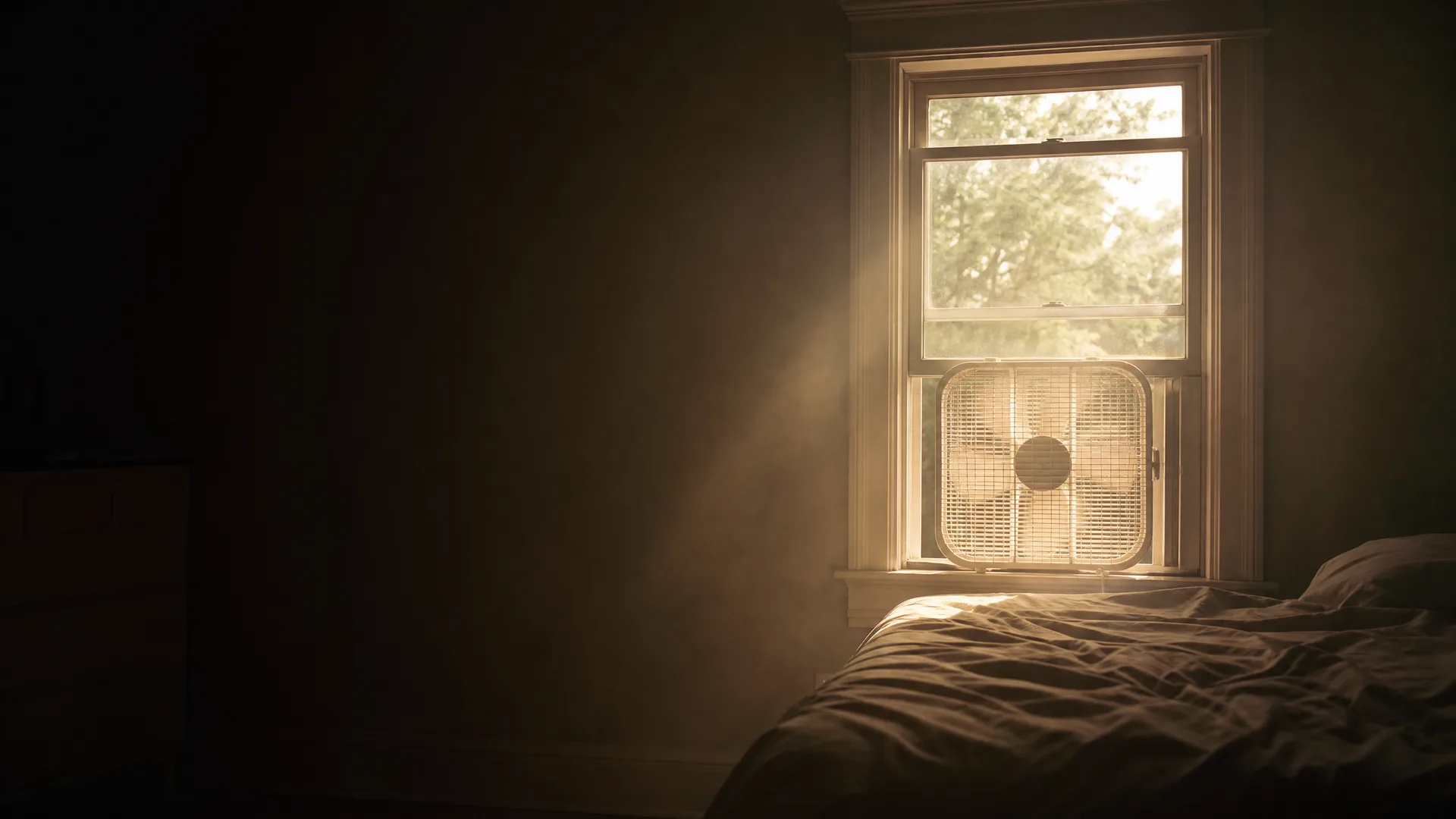
It's almost nine and still bright out, that late June light that hangs on. You've had the box fan in the window since dinner, turning the outside air over the sill, but it's not doing much. The room holds the heat of the day in the walls and the carpet and won't let go of it. Your shirt sticks to your back just lying there. Downstairs the AC is running, you can hear it humming through the floor vents, but up here the air is thick and still smells like the warm dusk coming through the screen. You push the sheet off, turn the fan up a notch, and wait for the room to catch up with the rest of the house.


At 22.48 cents per kilowatt-hour, every ton of cooling you don't need runs up your bill all summer long. An oversized or undersized system both waste power chasing comfort they can't hold, so getting the tonnage right matters more here than in states paying less for electricity.
EIA-861 2025 statewide residential average
The number that matters is the one a contractor works out for your house, not the one on a chart. Square footage gets you in the neighborhood. Your windows, your attic, your ceiling height, and how your walls hold onto that sticky dew point all move the tonnage up or down from there. Get it wrong and you pay twice, once in comfort you don't get and again on a power bill already higher than most of the country pays.
A contractor who installs these systems across New Jersey has seen what a south-facing wall of windows does to a load calculation, and what a poorly insulated attic does to it too. That's the kind of knowledge a flat chart can't give you, and it's what a Manual J calculation is built to capture. Once the sizing is right, the rest follows. The condenser outside cycles the way it should, running long enough to wring the humidity out of the air before it shuts off, instead of racing through short cycles or grinding away all afternoon without catching up.
When you put in a request here, it goes to one contractor local to you, not a handful of companies bidding without ever seeing your house. You get one call back, from someone who sizes systems for homes like yours every summer and knows what tends to go wrong in them. That's a smaller, steadier way to get to the right unit than sorting through bids from people working off a square footage guess.
Get your air conditioner to the right pro