 Hand it off
How long heat pumps last in New Jersey
Once you send the form, finding a pro is off your list.
A heat pump in New Jersey usually runs 12 to 15 years. Yours is working harder than a furnace would, because it's doing both jobs, the summer cooling when it gets sticky out and the winter heating too, instead of handing off to a gas furnace like most homes around here do. That extra duty wears on the compressor and the outdoor unit a little faster than a system that only cools.
Power here costs more than almost anywhere else in the country, so when a heat pump starts losing efficiency near the end of its life, you feel it on the bill before you see it fail outright. That's usually the first sign something is off, not a strange noise or a system that won't start.
If yours is getting up near that age, or if it's already struggling to keep the house comfortable, the question isn't really how much longer it might limp along. It's whether a straight answer from someone who works on these systems locally, all year, is worth more than guessing. Someone who sees this exact equipment fail in this exact climate knows what tends to go first and what a honest replacement timeline looks like for a system your age.
You don't have to track down that person yourself. Once you send the request, it goes to one licensed contractor near you, not a handful of companies competing for your callback. Someone who already knows how heat pumps hold up against a New Jersey summer and a New Jersey winter, and who can look at your system and tell you where it actually stands.
That's the part that gets to stop being your problem. You send it once, and finding the right person for the job is no longer something you have to manage on top of everything else.
How long do heat pumps last in New Jersey?
Your heat pump runs double duty here, cooling the house when it's sticky out and heating it all winter instead of resting half the year like a furnace would. You want to know what that means for how long it'll actually last, and whether there's anything that shortens or stretches that number.
Expect 12 to 15 years, often less if it's been neglected
A heat pump works every month of the year in New Jersey, so it racks up hours a furnace never sees. That extra run time is what shortens the number from the 15 to 20 years a gas furnace might give you. Systems that get a yearly checkup, a clean filter, and a technician catching a weak capacitor or low refrigerant early tend to land at the higher end of that range. Ones that run without any attention, especially through summers here when the compressor is working hardest to keep up, tend to fall short of it. The unit itself matters too. One sized and installed correctly for your house works less hard over those 12 to 15 years than one that was never quite right for the space.




Send one request and you're done looking

Your request goes to one pro, not a list of companies.
Sending the form costs nothing.
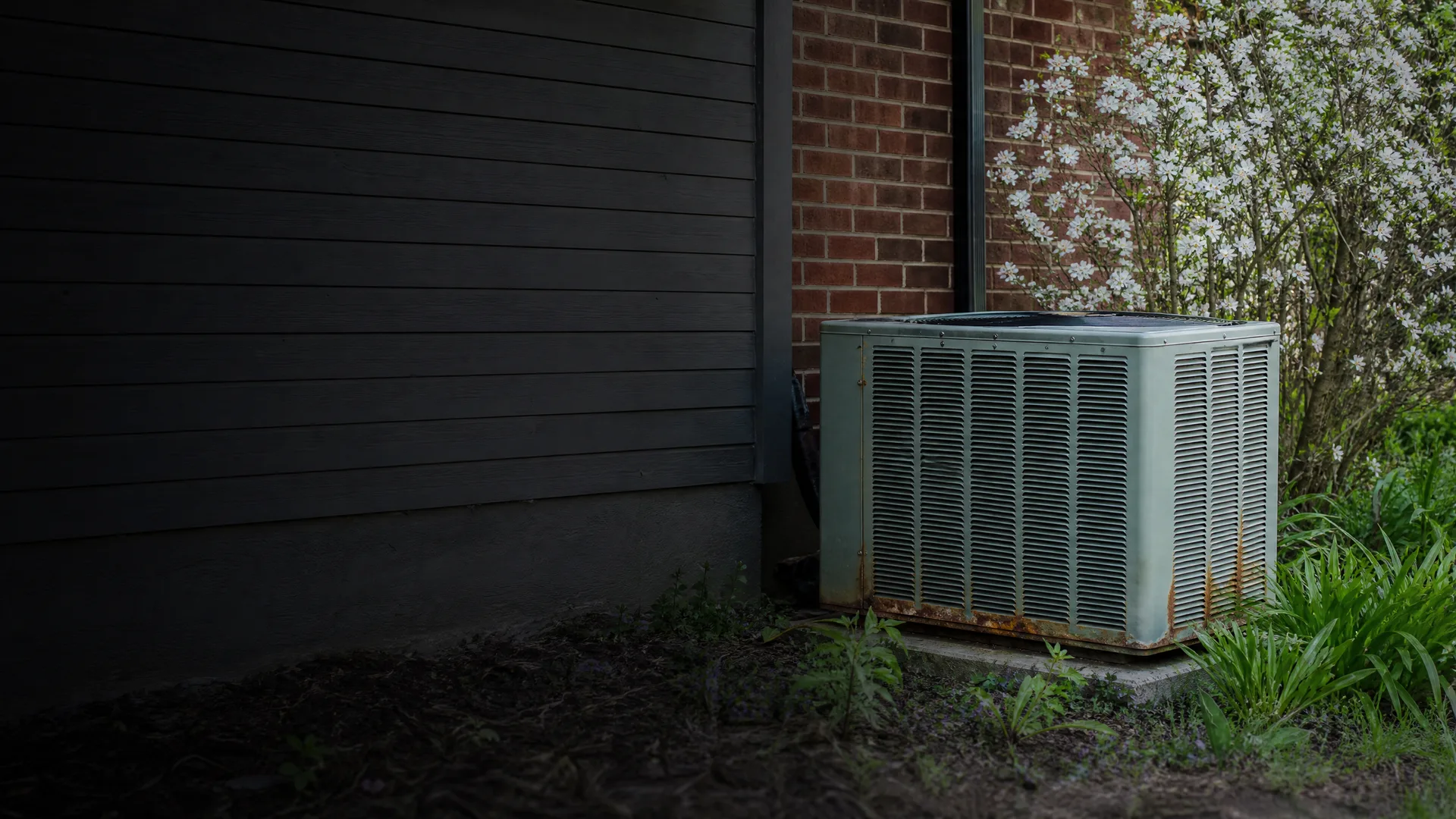
You're out in the side yard in April, finally getting the beds turned over, when you crouch near the patio and notice the outdoor unit for the first time in months. The rust has spread along the base, flaking orange where the metal meets the concrete pad. You run a thumb along it and a piece comes off in your hand. It's been sitting through every New Jersey winter since it went in, salt air and wet snow working at the bottom edge the whole time nobody was looking. You straighten up and make a note to ask about it when the servicer comes by, wondering how much of that base is still sound underneath.
Power costs 22.48 cents per kilowatt-hour statewide
At that rate, every degree you ask your heat pump to make is a degree you're paying top dollar for. A unit that's losing efficiency, from a dirty coil or a low charge, doesn't just run longer, it runs up the bill faster than almost anywhere else in the country.
EIA-861 2025 statewide residential average
What a New Jersey Heat Pump's Lifespan Comes Down To
- A heat pump running in New Jersey, between the summer humidity and the winter cold, typically lasts 12 to 15 years.
- Running both jobs year-round instead of handing off to a furnace puts more hours on the unit than most homes see.
- A clear outdoor unit and a clean coil let the system reach the full 12 to 15 years without added strain.
- Rust at the base of the outdoor unit or a coil losing efficiency are signs the equipment is wearing out early.
- Every lost degree of efficiency costs more here than in most places, since power runs among the highest rates in the country.
- A proper install from a licensed contractor who knows this equipment sets the unit up to reach its full working life.
Twelve to fifteen years is the range for a heat pump here, and where a given unit lands in it comes down to how much strain it carries. New Jersey asks more of this equipment than a lot of the country does. It cools the house through the sticky months and then heats it right through winter, without handing off to a gas furnace the way most homes nearby do. That's more total running hours over its life, not fewer, and hours are what wear a system down. What keeps a unit on track for the full stretch is simple: an outdoor unit with room to breathe, a coil that stays clean, and a system that isn't fighting its own buildup to move heat. What shortens it shows up in plain sight first, rust working its way across the base of the outdoor unit, or a drop in efficiency that means the system is burning more power for the same result. With electricity priced the way it is in this state, that lost efficiency shows up fast on the bill, long before the unit actually fails. None of this is left to chance at the start. A heat pump installed correctly, sized right for the house and set up by a contractor who works on this equipment in New Jersey conditions every season, is the one most likely to reach 15 years instead of falling short of 12. The install is where that lifespan gets decided.




Heat Pump Installation
Finding a pro stops being your job
One installer gets your project, so there's no bidding war over it.
